UC ANR is committed to providing an accessible and inclusive web experience for all users. If you encounter an accessibility barrier or need content in an alternative or remediated accessible format, please contact anraccessibility@ucanr.edu.
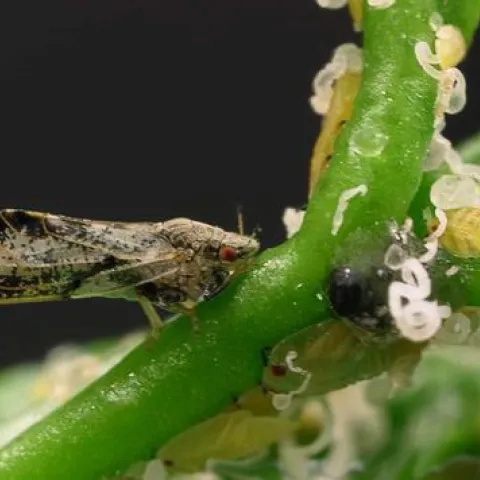
[Originally published in the Fall 2018 issue of the Green Bulletin. Modified slightly from original.] Invasive insects and diseases are threatening numerous tree species throughout the country.
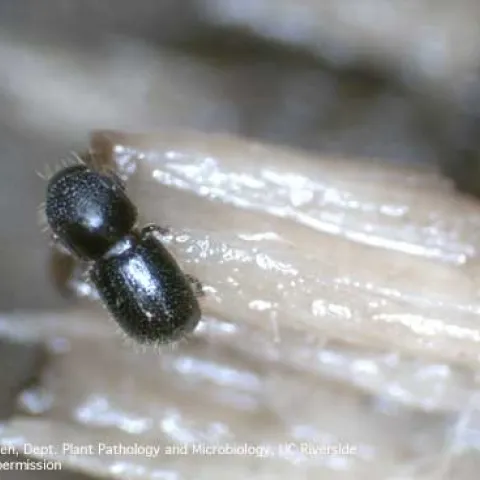
[Originally published in the Fall 2018 issue of the Green Bulletin. Modified slightly from original.] Invasive wood-boring beetles are attacking hundreds of thousands of trees in southern California, including commercial avocados, and trees within urban landscapes and wildland environments.
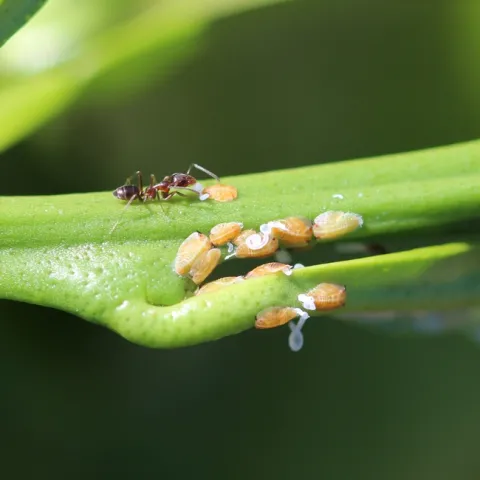
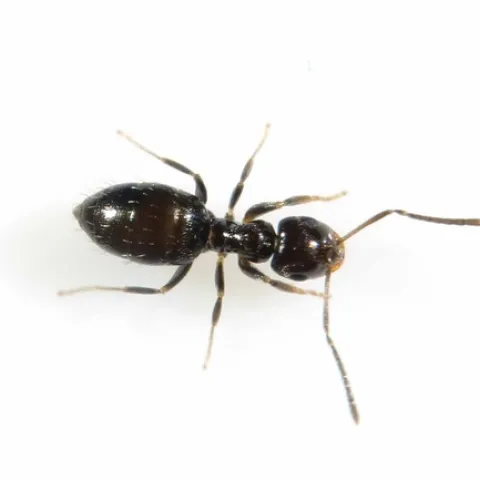
[From the Fall 2018 issue of UC IPM's Green Bulletin newsletter] The dark rover ant (Brachymyrmex patagonicus) is an invasive species which is increasingly being noticed in Southern California. It is a nuisance species that invades structures as both workers and winged (alate) individuals.
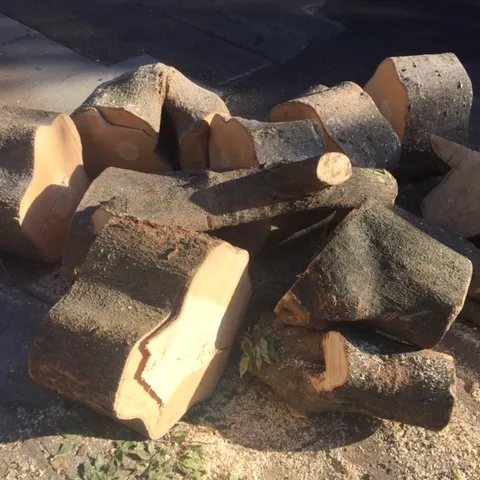
[From the Summer issue of the UC IPM Retail Nursery & Garden Center News] When you use firewood in the great outdoors, be aware that moving firewood can transport tree-killing insects and diseases.
I recently attended a Santa Ana River Orange County Weed Management Area (SAROCWMA) meeting and there was an opportunity for participants to update the group about new invasive plants as well as give an update on management of these and others.
Originally posted August 26, 2016; edited July 10, 2018 Have you seen big green beetles in your California yard or garden? Or beetles feeding on your roses or other plants? There are many kinds of beetles commonly found in our landscapes, but the Japanese beetle is not one of them.
During California Invasive Species Action Week (June 2 June 10), we highlighted several pests, but there are many more invasive species out there. Now that you know about them, share your knowledge of invasive species with others.
This week, we put the spotlight on invasive species and how these non-native plants, animals, and pathogens damage California's economy and environment.
The red imported fire ant, or RIFA for short, is no ordinary red ant. This invasive pest lives up to its name, delivering a sting that causes a burning sensation when its venom is injected into the skin. People sometimes confuse RIFA with the native southern fire ant.