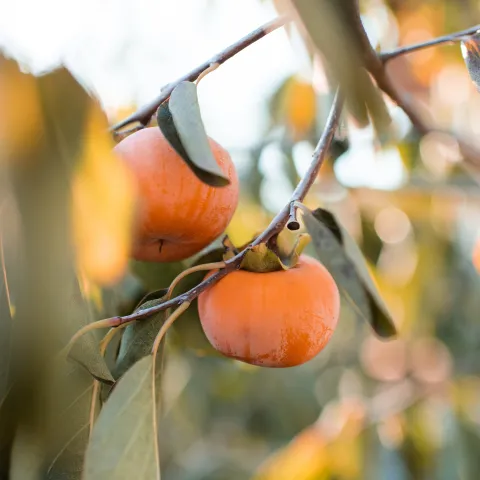
Scientific Name Diospyros kaki Special Considerations Persimmon wood is brittle. Therefore, it is important to develop strong scaffold branches with wide angles (nearly horizontal) early in the life of the plant. Because persimmon bear fruit on both new wood and one year-old wood, opening the plant by…
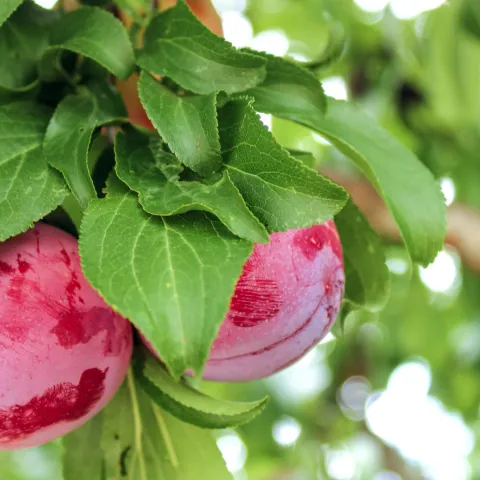
Scientific Name Prunus subg. Prunus Special Considerations Plum trees are susceptible to Silver Leaf disease. Infected branches should be removed and placed in the trash. Dispose of the diseased branches in the trash. Do not recycle and do not compost. Plum trees also are susceptible to gumming …
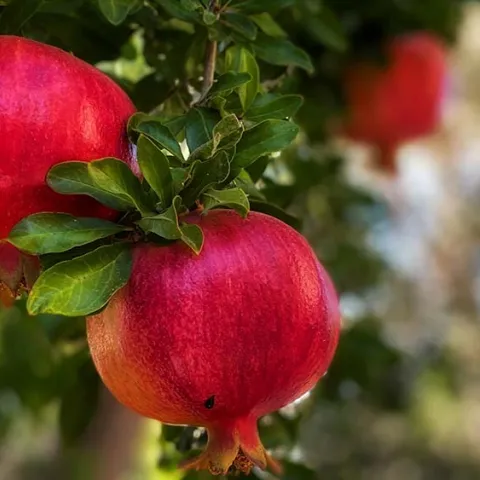
Scientific Name Punica granatum Special Considerations Pomegranates can be trained as a tree but grow naturally as a bush made of a tall, arching thicket of canes. If grown as a bush, it is best to keep the diameter of the base to no more than 18-24 inches to make pruning easier and the fruit…
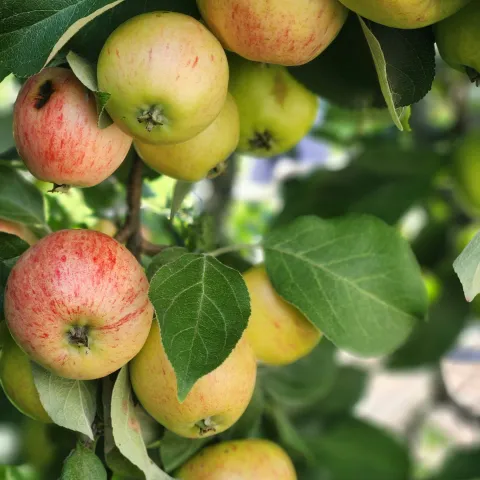
Scientific Name Malus domestica Special Considerations Apples need sturdy branches. Heading cuts are necessary. Fruit grows on: Old wood (spurs). Spurs form on one to three year old trees. Spurs continue to produce fruit for eight to 10 years, then die off. Trees are continually generating…
Scientific Name Prunus armeniaca Special Considerations Apricots bloom early (February or March). Therefore, late spring rains can limit pollination. Apricots are susceptible to a number of diseases, including eutypa, a water-borne fungal disease. As a result, apricots should be pruned only when rains…
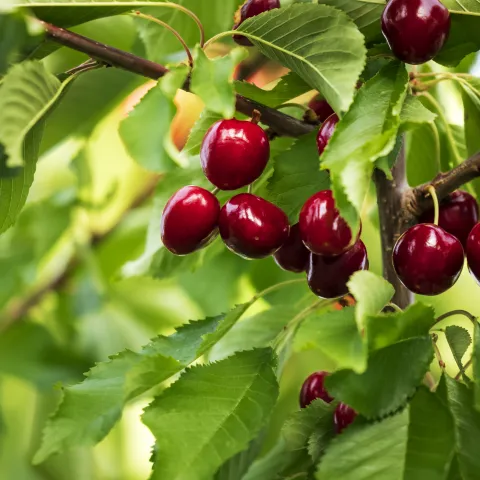
Scientific Name Prunus avium Special Considerations Generally, cherries are the most difficult fruit trees to keep alive. They do not tolerate wet feet and are very susceptible to brown rot, bacterial canker, root and crown rots, and eutypa, a water-borne fungal disease. As a result, cherries should be…
Scientific Name Ficus carica Special Considerations Black figs require light pruning only. Fruit grows on: Old wood (on spurs).What to Prune in Winter Remove dead, diseased or damaged branches.Remove crossing branches.Remove any suckers growing from the base of the tree or from the roots.Use…
Scientific Name Ficus carica Special Considerations White and brown figs (e.g., Kadota, Thompson) require heavy pruning, because they produce fruit on new growth. Each winter, the wood that formed during the previous growing season must be almost completely removed to promote healthy new growth…
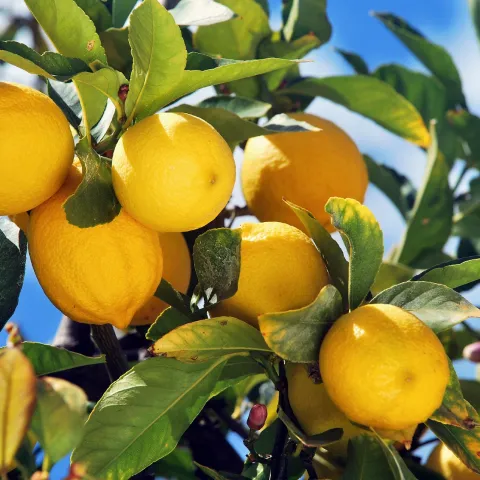
Scientific Name Citrus x limon Special Considerations Many lemons (especially, Meyer lemons) flower and fruit all year long. Therefore, removal of some flowers and fruit while pruning is often inevitable. The natural habit of lemons is to grow tall upright branches from the center of the tree,…
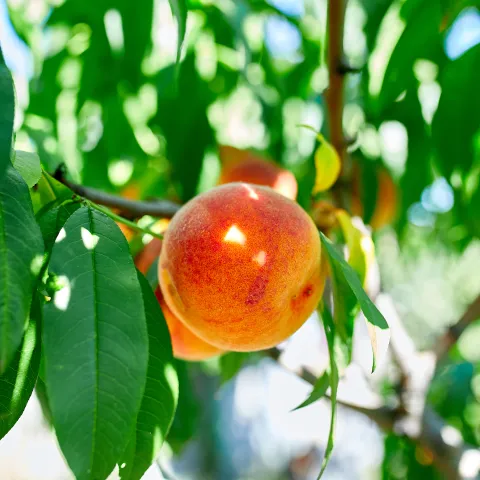
Scientific Name Prunus persica Special Considerations Peaches flower along the entire length of the wood formed during the previous year, but only the buds in the central third of that growth are ideal for fruit production. Therefore, it is essential not to cut back the branches retained for this year’s…