
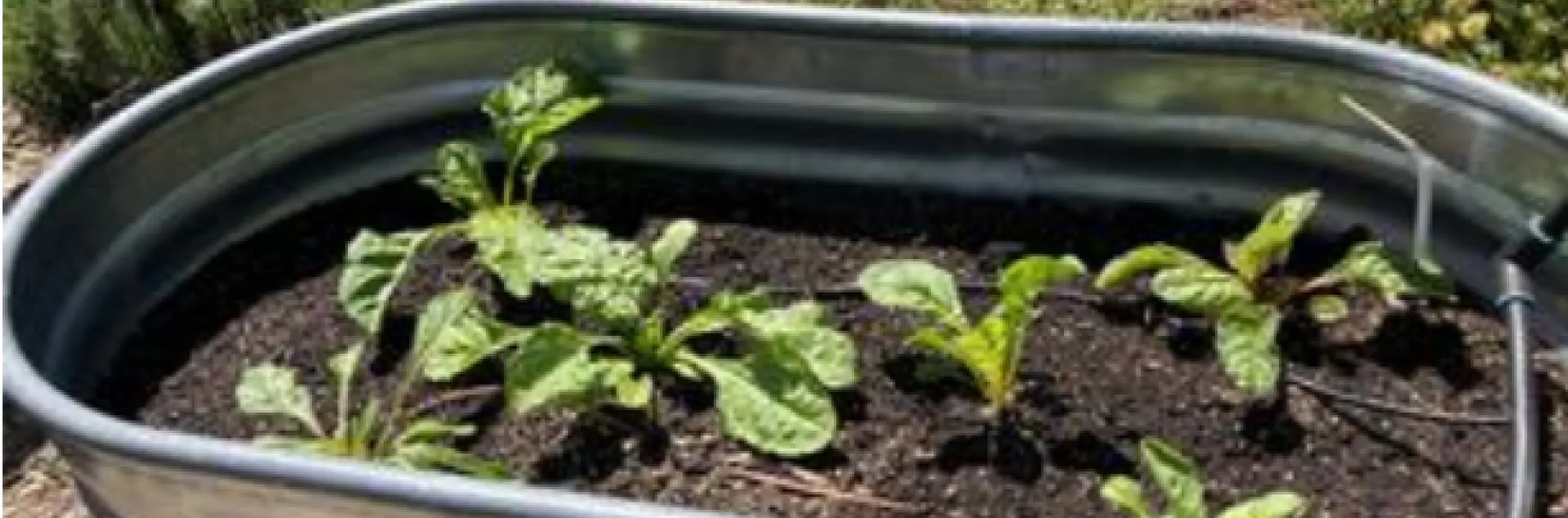
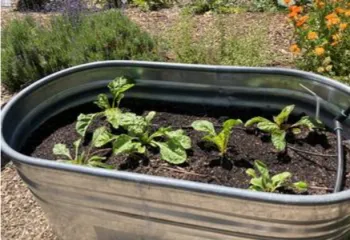
In our foggy, coastal microclimates, planting cool-season vegetables is possible year-round, and inland areas can start them in the fall. Many crops prefer cooler weather and can withstand frost.
Starting that fall crop when the weather is cooler has benefits: they won’t bolt from the heat, the soil in pots or raised beds will still be warm for seedlings’ roots to get a good start, and you will have fresh vegetables early in the spring. The wetter weather means little or no watering is required. When you plant broccoli in September, you should have some to pick and eat in about 85 days or less.
Many vegetable and herb seeds, seedlings, and bulbs can be grown in the fall months. Leave the spring as the time to grow tomatoes, peppers, cucumbers, melons, and other spring and summer veggies.
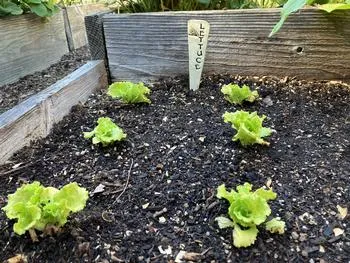
September is a good month to start some seedlings in the Brassica family. Try broccoli, cabbage, cauliflower, chard, bok choi, and collard greens. Kale and lettuce can be started in October, and November is the month to start peas if you live in a cooler microclimate. Onion bulbs prefer planting between January and March, and if you are a rhubarb fan, wait until December to March to plant those seeds.
Some herbs that thrive when planted in the fall are cilantro, parsley, chervil, chives, mustard, oregano, thyme, and rosemary. Most of these are perennials, so plant them once, and they will be there year after year. You won’t have to risk running out of that needed herb since they are available in the garden, on your porch, or on your windowsill.
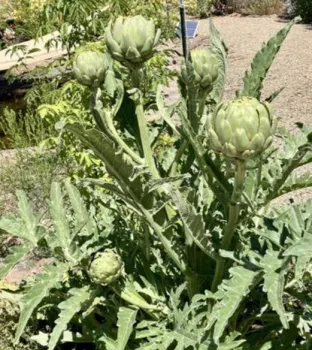
Perennial plants are special gifts for the gardener, minimizing the required work. Two perennial vegetables are artichokes, Cynara scolymus, and asparagus, Asparagus officinalis.
An artichoke in bloom is a dazzling blue flower, an edible thistle about 3-4 feet tall that loves our microclimates’ fog and cool air. They can be planted from September through December and produce two crops yearly. Plant one or two per person in the household 4 feet apart since they need a lot of space for their size of 3-4 feet tall and 4 feet wide. They like rich, amended, well-draining soil and thrive with fertilizer in early spring and again in six weeks throughout the growing season. Harvest the top bud that ripens first on the tall stalk, then later collect the smaller buds that are just as tasty. A plant usually lasts five years while producing side shoots that can be replanted.
Asparagus demands patience as it takes 2 - 4 years to produce the stalks. There is no instant gratification with this plant, but it is well worth the effort if you really like asparagus. The asparagus crowns prefer an early winter start, so plant them between January and March. They need six hours of sun at a minimum. Harvesting requires more patience to wait until the second year after planting. Then, limit the first year of harvesting to three weeks, with an increase in subsequent years to 6-8 weeks.
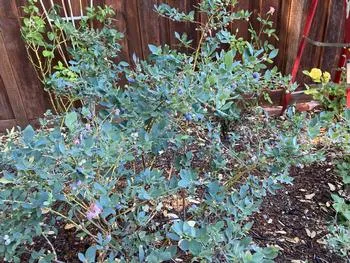
Blueberries, strawberries, and other berries can be planted anytime during the year, but get a head start when planted in the fall. They are also water-wise, and each has individual requirements.
More information on growing all these plants can be found under Edibles on the Marin Master Gardener website.
The Edible Demonstration Garden at the College of Marin, Indian Valley Campus, is planning a fall garden including most of the vegetables, herbs, and berries mentioned in this article. They also ensure they have blooming plants to attract the bees and other pollinating critters when the edibles have blossoms ready for pollinating.
By Sara O’Keefe, September 16, 2023