
We all should know by now the value and benefits of trees in our landscapes.
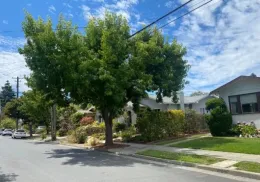
Photo Credit: J. Quan - Trees improve air quality through photosynthesis and the storage of carbon.
- Trees provide shade in our landscapes, which reduces the water needs of surrounding plants, and help keep your home cooler, which reduces electricity usage.
- Trees reduce soil erosion by slowing stormwater runoff.
- Trees provide us with food, and animals with food and shelter.
- Trees improve property values.
As our climate changes and temperatures climb, especially during our prolonged summer months, we need to take steps to protect our trees and help them survive. Most of us live with watering restrictions in our towns and cities, and as we strive to conserve, we can take measures that will help our trees not suffer too badly.
According to the City of Visalia's Water Conservation website (https://www.visalia.gov/531/Water-Conservation), the city "is committed to water conservation and protection of our water supply. Water conservation restrictions and enforcement procedures are in place to ensure our community complies with statewide conservation regulations. The Water Conservation Division conducts enforcement of the Water Conservation Ordinance and also provides educational outreach to assist residents in their conservation efforts."
Approximately two-thirds of water used in Visalia is for landscape irrigation. Here is the updated watering schedule for Visalia residents:
March 1 – November 30
Even Addresses- Wednesday and Sunday
Odd Addresses - Tuesday and Saturday
All watering is to be done before 8 am and after 6 pm to reduce evaporation loss
December – February
No watering allowed
As we reduce the number of days per week to water, we may not realize the impact this will have on our landscape trees. Trees in irrigated landscapes become dependent on regular watering, especially trees in lawns. When this water is reduced, trees can suffer and eventually die.
Here are some tips to reduce the effect of the new watering restrictions on your landscape trees.
- Deeply and slowly water mature trees 1-2 times per month with a simple soaker hose or drip system toward the edge of the tree canopy -- NOT at the base of the tree. This enables trees to grow deep roots that help them withstand drought and longer periods between irrigations. Slow irrigation allows the water to percolate deeper into the soil. Arborists recommend applying water to a depth of three feet. Use a Hose Faucet Timer to prevent overwatering.
- Young trees need 5 gallons of water 2-4 times per week. Create a watering basin with a berm of dirt. This basin should be constructed a little higher around the trunk of the tree, so the water drains away from the trunk.
- Do not over-prune trees during drought. This can stress your trees or stimulate a flush of new growth, causing them to use more water.
- Mulch, Mulch, Mulch! 4-6 inches of organic mulch keeps tree roots moist and cool, helps retain moisture in the soil, and releases nutrients to the tree. Be sure to keep the mulch at least 3 to 12 inches from the base of the trunks to prevent rot.
Put a 3- or 5-gallon bucket on your shower floor to catch the water while you are waiting for the water to get hot. Use this water for your trees, making sure it is free of non-biodegradable soaps and shampoos. You'll be surprised how easy this is to do and how much water you can save from going down the drain!
Tree loss is a very costly problem; not only in expensive tree removal, but also in the loss of the benefits a tree provides. By following these tips, you will better equip your landscape trees to survive their reduced watering this summer.