
Monica Gross, UC Master Food Preserver Online Program Volunteer
How do you know an avocado is ripe? It avocadon’t stay on the shelf for long!
What did the avocado say to the toast? “You’re the best thing since sliced bread!”
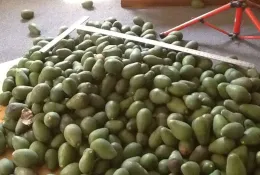
My love affair with avocados began when I was a teen and tasted guacamole on a salty tortilla chip for the first time. Since then, I eat avocados just about daily when I can get my hands on a ripe one! That being said, this short article will focus the stages of ripening of the avocado, how to hasten ripening and a short history of avocados in California. Lastly, I will leave you with two delicious recipes to try.
The avocado goes through five stages of maturity before it is perfectly ripened. See if you can recognize these stages.
| Stage 1 | Hard | Very hard fruit that is usually green in color. |
|---|---|---|
| Stage 2 | Pre-conditioned | Ready to eat in 3 days if held at room temperature. |
| Stage 3 | Pre-ripe | Slight give. Ready to eat in 2 days if held at room temperature. |
| Stage 4 | Firm Ripe | Yields to gentle pressure. Good for slicing. Fully ripe next day if held at room temperature. |
| Stage 5 | Ripe | Yields to gentle pressure. Good for slicing. Fully ripe next day if held at room temperature. |
If you have an avocado that you need to ripen faster than nature allows, you can assist ripening by exposing the fruits to additional ethylene gas. Ethylene is a plant hormone that kick starts the ripening process. Avocados, kiwi fruit, and apples all produce natural ethylene gas. To hasten ripening, begin by placing your avocado/s in a brown paper bag and add a red or golden delicious apple and/or a kiwi fruit to the bag. (These older varieties of apples work better than the newer cultivars. The newer apples like Fuji or Gala are bred for slower ripening to retain crispness.) This simple method can speed up ripening by a day or two.
If your avocados are at peak ripeness, but you’re not quite ready to use them, the obvious question is how to preserve them. The best way to preserve ripe avocados is to freeze the mashed/pureed flesh. For the best quality product, add ¼ teaspoon (0.75 gram) of ascorbic acid to each quart of puree, or 1 Tablespoon of lemon juice for every two avocados. This will help inhibit discoloration of the puree. The frozen puree can easily be used in the guacamole recipe presented here.
To learn more about preserving avocados, register for our free online class on preserving avocados on Tuesday June 23 at 7:00pm PDT. If you can’t watch that class in real time, you can watch the class recording in our archive of previous classes.
When we think of avocadoes, we think CALIFORNIA! California’s climate is favorable to the growth of this fruit. That being said, 90% of all the avocados grown in our nation are grown in California, with Ventura and San Diego counties being the top producers. Agricultural history reveals that in the 1870’s the avocado was introduced from Mexico to the United States. By the early 1900’s the avocado was recognized for its commercial potential and in the coming years growers experimented to find and develop the best varieties.

In southern California by the 1950’s, there were 25 cultivars in California with the “Fuerte” variety being dominant. By 1970 the “Hass” avocado overtook the “Fuerte” variety because of its commercial hardiness. Personally, I love the buttery creamy texture of the Fuerte avocado because I have a mature tree in my yard. During one season about 15 years ago this tree produced 1500 avocados! Most trees produce a maximum of about 200 avocados per season. Our Fuerte seems to have bearing cycles. The cycle seems to be several really productive years followed by a year of relative rest for the tree. This year our tree is in its resting phase but our neighbor across the fence has a Hass which is in an extremely productive year. This year Hass is my favorite!
This guacamole isn’t just good—it’s avocado this world!
What did the taco say to the guacamole? “Avocado crush on you.”
Recipes
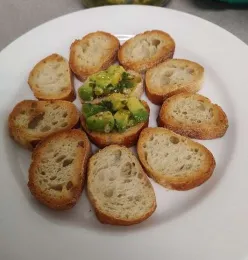
Avocado Bruschetta
Ingredients
½ Cup Olive Oil
¼ Cup Lemon Juice
¼ Cup Red Wine Vinegar
3 Cloves Garlic, minced
1½ Teaspoon Salt
1 Teaspoon Crushed Red Pepper Flakes
1 Teaspoon Dried Oregano
½ Teaspoon Pepper
½ Cup Chopped Cilantro
½ Cup Chopped Parsley
¼ Cup Chopped Basil
6 Medium Ripe Avocados, peeled and cubed
24 Slices French Bread Baguette (½ inch thick)
Instructions
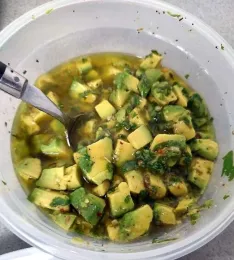
- Preheat broiler. Whisk together first 8 ingredients; stir in herbs. Fold in avocados.
- Place bread on an ungreased baking sheet. Broil 3 to 4 inches from heat until golden brown, 1 to 2 minutes per side.
- Top with avocado mixture.
Recipe Credit: Taste of Home 2019
Simple Guacamole
Ingredients:
2 ripe avocados or the frozen mashed flesh of 2 avocados
Mayonnaise or Greek Yogurt (optional)
Siracha or Tabasco sauce
Fresh lemon or lime juice (optional, and not needed if using frozen avocado that has added citrus juice)
Salt
Garlic Powder
Instructions
- If using frozen avocado puree, thaw in the refrigerator. If using fresh avocados, peel, deseed, and mash the flesh. If smoother consistency is desired puree avocados in food processor.
- Add a heaping Tablespoon of mayonnaise or yogurt if desired and mix. Although not traditional, a little mayo or yogurt adds additional creaminess to the guacamole.
- Add the Siracha or Tabasco sauce, and lemon/lime juice to taste. Add salt and garlic powder, starting with ¼ teaspoon salt and ¼ teaspoon garlic powder. Adjust seasonings to taste.
Recipe Credit: Monica Gross