
September is a month of transition and preparation for winter. It is a month for planning, renovating, beginning new landscapes, harvesting, removing summer edible annuals, pruning, and planting. We feel autumn approaching as the days get shorter and nighttime temperatures cool. We still have plenty of warm, sunny days, and that's a good thing because September is a busy month for gardeners in our region.
Planting
Autumn is the best season to plant almost everything in your ornamental garden. In our area, we often start our fall planting a week or so before the autumnal equinox on the 22nd (about 3 in the morning in our time zone). Trees, shrubs, perennials, and ground covers all establish and grow best when planted in the fall rather than the spring. Exceptions include avocados, citrus, cacti, and other frost-tender plants. Plant those next spring unless you are prepared to protect them all winter. Before you plant, determine how you will keep your new plants watered and have that system ready to go to reduce stress for you and your plants. New plants do best, whether edible annuals or long-lived trees, when stress at transplanting and in the weeks after are minimized. Being transplanted is stressful enough; we don't want to add drought stress, too.
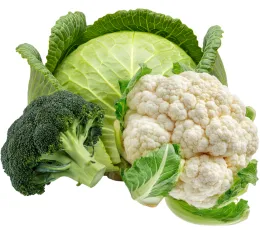
In the edible garden, September is a good month to plant the seedlings of broccoli, cabbage, and cauliflower that you began last month. You can also start more seedlings for succession planting. You can direct-sow carrot, lettuce, parsley, green onions, peas, radish, chard and other greens, as well as turnips, seed potatoes, and flowers like calendula, alyssum, snapdragon, and poppies. It's a busy month, with removing the last of the heat-loving plants, cleaning up the garden, adding compost, and replanting with cool-season crops.
Maintaining
Pay attention to all new transplants, ornamental or edible. In the vegetable garden, aphids and whitefly may still be active, and earwigs will be emerging from summer siesta. Continue with ant baits, switching up the active chemical from last fall's baits. Newly transplanted trees, shrubs and perennials need to be monitored for soil moisture.
If planting isn't enough, September is a good clean-up month, especially if you don't trim and prune year-round. Remove tired, dying summer edible garden plants. Don't add any plants to the compost bin that have diseases or pests unless your compost will heat up to at least 165 degrees Fahrenheit. I also don't put tough weeds like Bermuda grass in the compost bin, as it almost never dies and will ruin an otherwise good batch of compost. Trim and prune spring-blooming shrubs, evergreen trees, and perennials. Plants like lantana, California fuscia, autumn sage (Salvia gregii and 'Hot Lips'), and other summer and fall-blooming plants should not be pruned now. Trim and divide bulbs, corms, and tubers if you haven't yet. Bulbs should be replanted by Thanksgiving. Dispose of any remaining overripe or shriveled fruit and nuts on trees or on the ground.
You can apply pre-emergent herbicide for cool-season weeds starting this month. Remember: pre-emergent herbicide must be watered into the soil to activate it. Watch for bluegrass, brome, and other non-native weedy grasses to emerge and use a hoe or hand pull to reduce their numbers.
Compost can be top-dressed in all beds. Compost is not fertilizer, but it will help create and maintain healthy soil.
Check soil moisture with a monitor or your hand to adjust watering as the weather changes. Heat waves may occur, so be ready to pre-irrigate as needed to keep plants stress-free. Wind is desiccating too, so pre-irrigate if windy days are forecast. That means watering extra a day or two before the heat or wind event.
Conserving
While you're trimming and slashing your way through the garden, keep an eye out for wildlife you want to conserve. Lizards, spiders, toads, butterflies, and moths are still active, and all of them have a place in a well-managed garden. Butterflies, especially, may be late visiting your garden this year, and you may consider delaying your garden work a week or two if they are active now. Consider building rain basins and swales to keep rainwater on your property. Water from a rain basin should percolate in a week or less. If you connect your storm gutters to the rain basin, consider where the overflow will run and make sure it's not to your door! The point is to have as much water as possible percolate and be stored deep in the soil, but in a small yard you may still need to make use of municipal stormwater drain systems (a.k.a. "gutters").
Other conservation chores this month: Keep the bird baths full. Remove tropical non-native milkweeds (orange/yellow flowers) and replace them with a native California species. Consider replacing a few more high-water-use ornamental plants with those that thrive on less water and that support native insects and birds. Planting species that are adapted to our climate is the path to a resilient, modern California garden. We can all enjoy exotic plants too, including our vegetable gardens and orchards, but having a foundation of climate-adapted plants means less time and money spent on chemicals and maintenance. Happy September Gardening!