
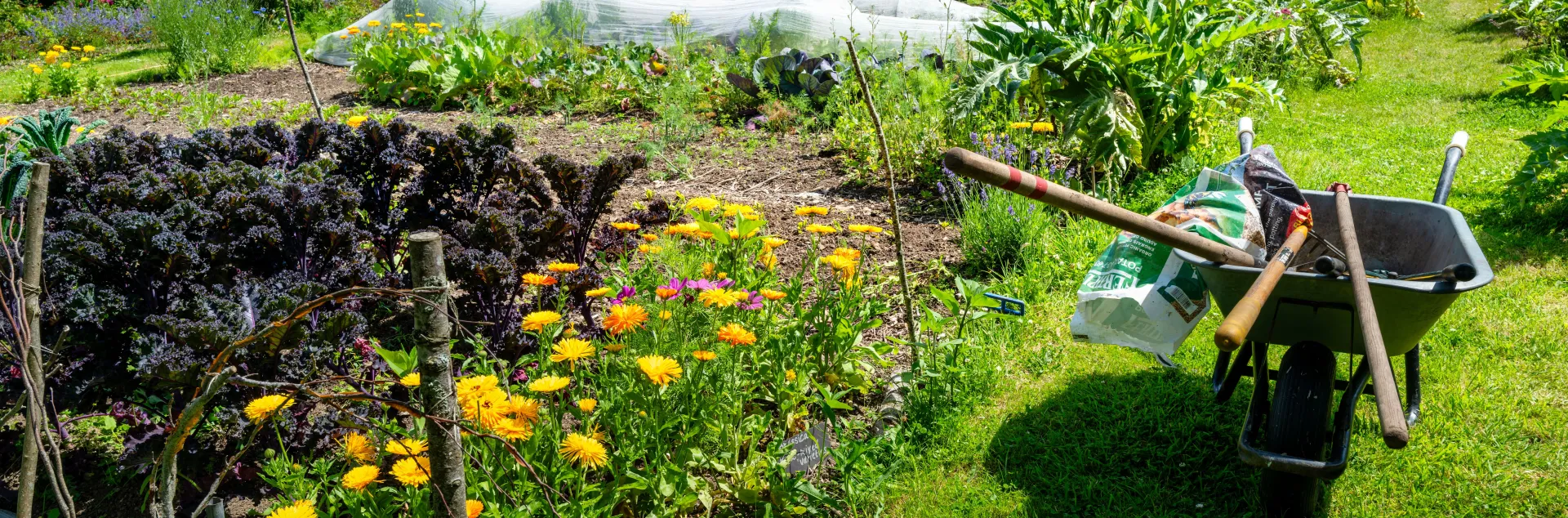
Nothing is more frustrating than watching your hard-earned harvest get ruined by pests before you can even enjoy it. The fruits and vegetables in our gardens can be attacked by many different kinds of insects, diseases, snails, rodents, and other pests.
Many common pests that show up in our gardens are actually native species or ones that have been established so long in California that they're almost thought of as native. But some pests have arrived more recently and have caused more problems than just a nibble here and there. These newer pests are considered “invasive”, a term used to describe only certain species introduced from another country that we may not know much about or have the tools to control.
An invasive pest is different from the common garden pests you see. They are non-native species that have the potential to devastate a crop or cause widespread and prolonged damage, harming the environment, economy, or public health. In this article, we cover just a few invasive insect threats you should know about and how you can protect both your garden and your community. You can learn more about other invasive pests from the resources shared at the end of the article.
Asian Citrus Psyllid
The Asian citrus psyllid (or ACP) is a small, sap-sucking insect that feeds on all kinds of citrus plants. It can transmit a plant disease called huanglongbing (HLB) or citrus greening that is deadly to citrus. HLB kills healthy trees in as little as five years, and there is no cure. The psyllid is well-established in much of Southern California and has been detected in some areas in Northern California and the Central Valley. The disease has only been found in some coastal urban areas of Southern California.
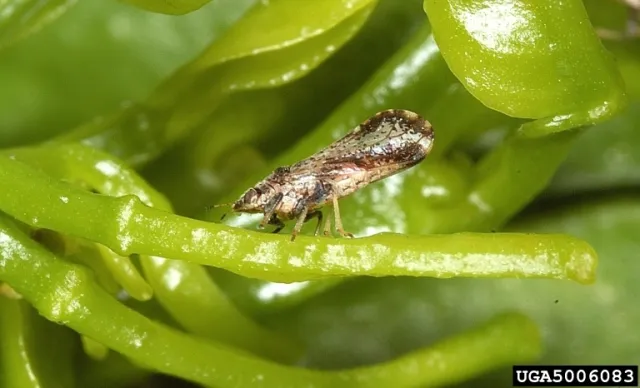
What ACP looks like:
Adults are about the size of an aphid (1/8 inch or 3 mm long), and feed with their bodies tilted at a 45-degree angle (see picture)
Nymphs (immature stage) are flat and yellow with red eyes
Bright yellow-orange, almond shaped eggs
Signs to look out for on citrus trees:
Monitor for ACP on new growth
White, waxy tubules that nymphs excrete
To prevent this pest from spreading, don’t move citrus fruit or plant material from your yard to other regions in California. Only buy citrus trees from local, licensed nurseries, and closely monitor all citrus trees on your property. If you live in Southern California, managing ants on your citrus can also help control ACP. Argentine ants have been observed tending ACP nymphs, protecting them in exchange for the sweet honeydew they produce.
Report infestations and learn more on the California Department of Food and Agriculture’s webpage about ACP and HLB.
Spotted Wing Drosophila
Spotted wing drosophila are small flies that attack soft-skinned fruits such as cherries, blueberries, raspberries, blackberries, and strawberries. This insect looks a lot like the common fruit fly you might see around overripe fruit in the kitchen, but what makes spotted wing drosophila so destructive is that they attack backyard fruit while it’s still ripening and undamaged, not just overripe or rotting fruit.
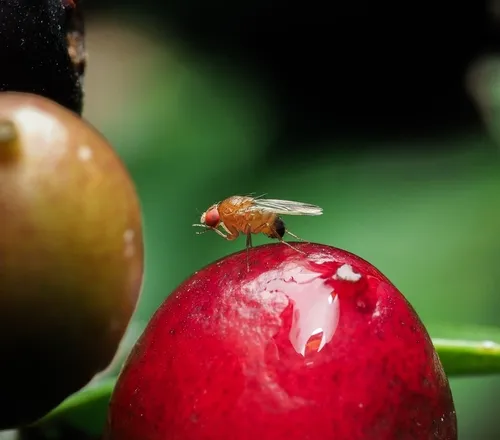
What spotted wing drosophila looks like:
Red eyes and a pale brown body about 1/16 to 1/8 inch (1.6 to 3 mm) long
Larvae, called maggots, are small and white, cylindrical shaped
Signs to look out for:
Prematurely rotting fruit
Tiny puncture marks where the female laid her eggs
Larvae inside the fruit
If you see these signs, the fruit is already infested. The best thing you can do is remove infested fruit right away. Place it in a sealable bag and throw it in the trash, not the compost. This prevents the maggots from completing their life cycle and spreading to healthy fruit. By checking fruit early and often, you can break the cycle and keep your garden harvest safe.
This pest is established in California and does not need to be reported. Learn more about managing spotted wing drosophila in the UC IPM Pest Notes: Spotted Wing Drosophila.
Black Fig Fly
As the name implies, black fig flies only infest figs. Infestations of this pest have been reported in Alameda, Contra Costa, Los Angeles, Merced, Orange, Riverside, San Benito, San Bernardino, San Diego, San Luis Obispo, San Mateo, Santa Barbara, Santa Clara, Santa Cruz, and Ventura counties.
Females prefer to lay eggs in unripe figs. The larvae (immature stage) develop and feed inside figs, causing internal damage and premature fruit drop. Eventually, larvae emerge from small holes on the outside of the fruit.
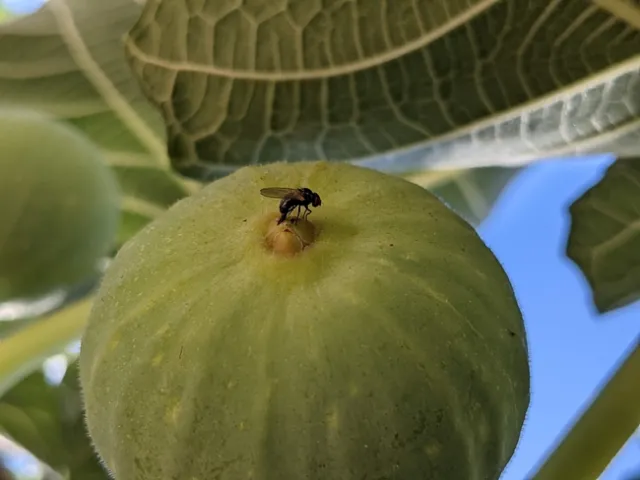
What black fig flies look like:
Adults are glossy-black and smaller than 1/8 inch (3.5 to 4.5 mm) long
Larvae are small, brownish-white maggots
Signs to look out for on fig trees:
Unripe fruit that has fallen prematurely
Small exit holes on the outside of fruit
Brown feeding damage inside fruit
To manage a black fig fly infestation, clean up fallen fruit and dispose of them in a sealed plastic bag in the garbage, not the compost. Fine mesh bags can be placed over individual fruits or entire fig trees to prevent adult black fig fly access. Because larvae within the fruit are protected from pesticide sprays, chemical control options are limited. To prevent this pest from spreading, don’t move fig fruits or potted fig plants from regions where this pest has been detected.
Report suspected infestations in counties not listed above to your local County Agricultural Commissioner’s office and the California Department of Food and Agriculture. Reach out to your local UC Cooperative Extension office if you have a suspected infestation in areas known to have this pest. Learn more in the black fig fly pest alert and the Wilson lab’s black fig fly website.
South American Tomato Leafminer
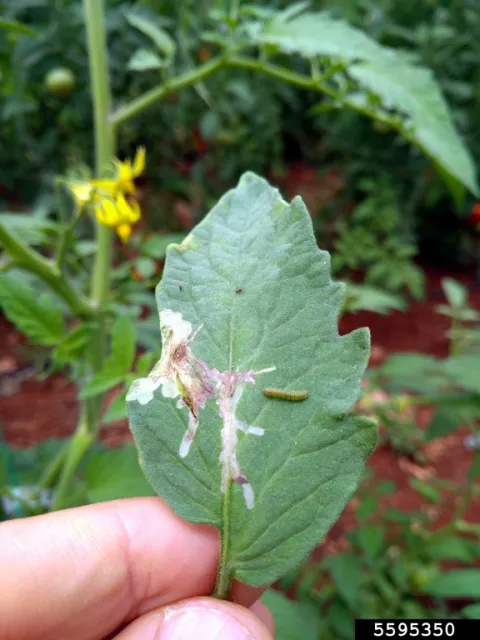
The South American tomato leafminer (SATL) is not currently found in California but gardeners can help be on the lookout. A moth native to Peru, the SATL causes significant damage to tomato crops by mining into leaves, stems, and fruit. This damage can lead to tomato crop losses of up to 100% if not effectively managed. The larvae are the real problem, tunnelling through the leaves, flower buds, shoot tips, and fruit.
What South American tomato leafminer looks like:
Small silvery-brown moth, only about 3/16-inch (4.8 mm) long
Tiny yellow eggs laid on the underside of leaves, blossoms, and even the fruit
Light yellow to green cylindrical shaped larvae, about 1/64-inch (0.4 mm) long
What to look for on your tomato plants:
Twisting, see-through mines within the leaves
Fruit with small holes or soft spots from larvae boring inside
Wilting or damaged buds, especially on younger plants
In California, several leaf-mining or fruit-boring pests can be mistaken for the SATL. For example, leafminer flies create long serpentine leaf mines, and tomato pinworm adults and larva cause damage almost identical to the SATL. Inspect your tomatoes regularly, especially the undersides of leaves and developing fruit, and watch for signs of this pest. Learn more in the South American tomato leafminer pest alert.
Report any suspicious damage to your local County Agricultural Commissioner or UC Cooperative Extension office.
Healthy Plants Have Fewer Pest Problems
Healthy plants are less likely to be severely damaged by pests and disease, and effective practices are the first line of defense against all garden pests, including invasive species.
Tips to keep your plants healthy:
Avoid overwatering, ensure proper drainage and prevent runoff
Don’t overcrowd your garden: tight plantings trap moisture and create hiding places for insects
Clean up fallen leaves or fruit that could harbor eggs or larvae
Choose pest-resistant varieties when available
Time your plantings or harvest early to avoid peak pest life cycles
These practices will help you create a garden where some pests and diseases have a hard time taking hold. Not only will this help you grow healthier fruits and vegetables, but it also reduces the spread of invasive pests, protecting both your garden and California agriculture.
Resources on Invasive Pests
To learn more about invasive pests in your garden and beyond, watch the YouTube recording of UC IPM’s recent webinar about invasive species you might find on your homegrown produce, and read UC IPM’s blog post about other invasive pests to look out for.
Many other sources can provide information about other invasive species.
UC IPM’s Invasive and Exotic Pests web pages
California Invasive Plant Council (Cal-IPC)
Center for Invasive Species Research (CISR), University of California, Riverside