
Trees are long-lived resources that provide environmental, aesthetic, and community benefits. When a tree shows signs of decline, damage, or pest infestation, it is common to seek help from a tree care professional. While professional tree care is essential in many situations, the quality and appropriateness of recommendations can vary, particularly when invasive pests are involved, such as invasive shothole borers or the goldspotted oak borer. Because there are no pest-specific certifications for many tree pests, it is important to take an active role in ensuring management decisions are appropriate, effective, and consistent with research-based guidance. This article outlines how to work productively with arborists and make informed tree care decisions.
Start with Pest Identification and Basic Research
Before hiring an arborist, it is helpful to understand what problem you may be dealing with. Tree decline can have many causes including drought stress, soil conditions, root damage, fungal diseases, and insect pests. Because management options depend on the underlying cause, accurate identification is a critical first step. Consider the following steps:
Document symptoms with clear photos (for example, entry holes, sap flow, sawdust, or canopy thinning) and seek help with identification from a local University of California Cooperative Extension office or County Agricultural Commissioner.
Consult pest-specific resources developed by UC IPM, such as Pest Notes, to learn about pest biology, damage patterns, and recommended management strategies.
Even a basic understanding of the issue helps assess whether proposed actions are consistent with current recommendations.
Look for Professional Credentials and Ask Follow-Up Questions
Most tree maintenance work beyond routine watering or minor pruning should be done by professional arborists. Start by looking for arborists certified by the International Society of Arboriculture (ISA) or consulting arborists affiliated with the American Society of Consulting Arborists (ASCA).
Certification indicates that an arborist has met education and experience requirements and participates in continuing education. However, certification alone does not guarantee familiarity with all tree pests or local management recommendations.
Because many invasive pests do not have pest-specific licensing or certification requirements, the following questions can help clarify experience with specific pests:
Are you familiar with this pest and its current management recommendations?
How do you determine whether treatment, monitoring, or removal is appropriate? Clear, transparent explanations are an important indicator of professional practice.
Request a Written Description of the Problem and Proposed Work
Before agreeing to work, request a written description of the problem and the proposed actions, often provided as part of the estimate or quote. This is particularly important for pest-related issues, where unnecessary or ineffective treatments can add cost without improving outcomes.
The written description should clearly explain:
The suspected cause of decline or pest issue
The recommended actions and why each service is being proposed
Whether non-chemical options are appropriate and included (such as pruning infested branches)
If pesticides are recommended, the purpose of the treatment and how it fits into an integrated pest management (IPM) approach
Under an IPM framework, treatments are based on thresholds for action, not routine schedules. Ask when treatment is recommended versus continued monitoring, how success will be evaluated, and what criteria would justify reapplication, if needed. The need for a pesticide treatment should be reassessed each time based on tree condition and pest activity, rather than applied automatically on a calendar basis.
Review Quotes Carefully and Ask About Add-On Services
Always request a detailed, written estimate that itemizes the proposed work. This helps clarify what is essential versus optional.
Be cautious of add-on services that are not clearly tied to the diagnosis. For example, routine fertilization or generalized “tree health treatments” may not be appropriate for trees affected by certain pests or stressors. In general, established landscape trees rarely require fertilization, except in specific situations such as fruit production or documented nutrient deficiencies.
When reviewing estimates, it may be helpful to ask questions such as:
What specific problem is each of the itemized services addressing?
Which of these services are most critical now? This keeps the focus on transparency and ensures that proposed services are aligned with the tree’s condition and management goals.
Ask How Infested Material Will Be Handled
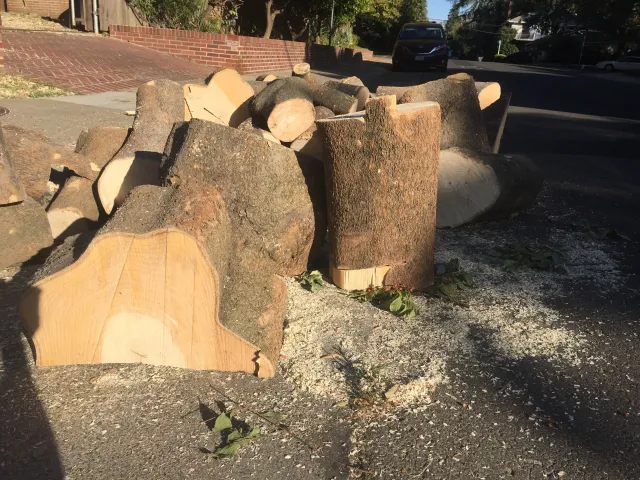
For invasive pests, proper handling of removed wood and debris is a key component of management. Many tree-killing insects can survive for extended periods in cut logs or branches, making improper disposal a pathway for pest spread.
If pruning or tree removal are included in the quote, ask the tree care provider:
How will infested material be handled after removal?
Will it be chipped, processed, or transported to an appropriate facility?
What steps are taken to reduce the risk of moving live pests?
Responsible green waste management supports broader efforts to slow the spread of invasive tree pests in California.
Consider Multiple Opinions or Quotes
Shop around and obtain multiple estimates. Comparing recommendations can help clarify whether there is agreement on diagnosis and management goals.
Differences in recommendations do not necessarily mean that one arborist is “wrong,” but they do provide an opportunity to ask additional questions and make more informed decisions.
Effective tree care depends on informed decision-making and clear communication with trained professionals. Asking questions and understanding the basis for recommendations helps ensure actions are science-based, appropriate, and effective.
[Originally featured in the Spring 2026 edition of the Home and Garden Pest Newsletter.]