
What Are Rodents?
The scientific name Rodentia comes from the Latin word rodere, which means "to gnaw."
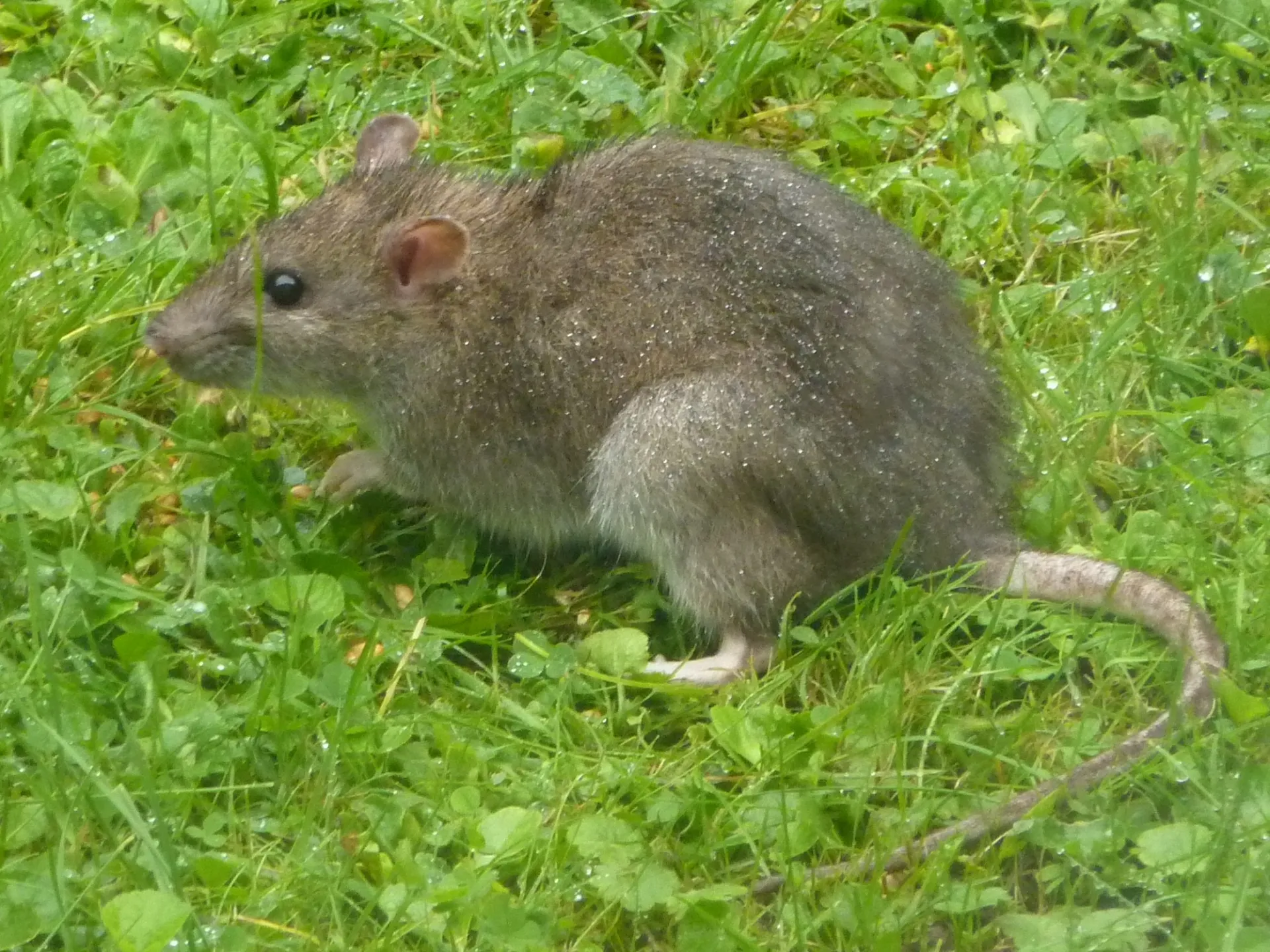
Rodents include:
- Rats
- Mice
- Voles
- Gophers
- Squirrels
- Woodchucks
- Chipmunks
- Porcupines
- Nutria
- Beavers
Rodents are important but need to be controlled when they infest homes and buildings; they damage crops, transmit diseases, and cause ecological damage.
How Are They Important in Nature?
Rodents Are a Critical Food Source for Predators
Birds of prey that hunt during the day include:
- Red-tailed Hawks eat about four rodents a day
- American Kestrels eat small rodents like mice and voles
- Red-shouldered Hawks eat chipmunks, mice, and cotton rats
- Cooper's Hawks eat mice, tree squirrels, and chipmunks
Birds of prey that hunt during the night include:
- Barn Owls, which are the most prolific rodent-eating birds, a family of barn owls can eat between 1,000 and 3,000 rodents each year
- Great Horned Owls eat rats and mice
- Eastern Screech Owls eat mice and voles
Other predators that eat rodents include:
- Eagles
- Peregrine Falcons
- Bobcats
- Cougars (Mountain Lions)
- Coyotes
- Domestic and feral cats
- Foxes
- The Virginia opossum (Didelphis virginiana), also known as the North American opossum (possum)
- California native Gopher Snakes
- King Snakes
- Rattlesnakes
- The long-tailed weasel
Rodents Are Thought of as Ecosystem Engineers
They aerate the soil and alter the landscape. This happens when the burrowing rodents aerate the soil by continuously turning it over. This brings valuable organic matter underground, which allows oxygen to reach plant roots.
Rodents Disperse Seeds That Shape Plant Communities
Rodents hoard seeds underground. These seeds germinate and allow the regeneration of forests and grasslands. Rodents also consume and disperse spores from vital soil fungi, which will establish symbiotic relationships with tree roots.
Rodents Are Great Scavengers
They consume and reduce waste, carrion, garbage, and discarded animal and vegetable matter. They help clean up the environment.
The Problem with Rodent Poison
When we put poison out for the rats and mice to eat, this does not address the root cause of an infestation.
These poisons (especially anticoagulants) cause inhumane deaths and could cause sanitation issues. These poisons disrupt blood clotting, which causes the animal to suffer a slow, agonizing death that could last up to 10 days. The animal is suffering from internal hemorrhaging and organ failure.
When you poison the rodents, you are also poisoning the predators that eat them, as listed above. This is called secondary poisoning or relay toxicity. Hawks, owls, foxes, coyotes, and neighborhood pets can all suffer from fatal internal bleeding if they eat a poisoned rodent.
What To Do If You Have a Rodent Problem
(see EPA link under references)
To eliminate and prevent rodent infestations:
- Keep living spaces clean
- Prevent rodent access
- Eliminate potential nesting areas
References:
https://www.biologicaldiversity.org/campaigns/Safe-Rodent-Control/#
https://www.epa.gov/rodenticides/about-rats-and-mice
https://ipm.ucanr.edu/environmental-protection-and-pesticide-stewardship/protecting-natural-enemies-and-pollinators/#gsc.tab=0
https://theconversation.com/in-defence-of-rodents-why-healthy-ecosystems-need-them-196406
https://www.cdpr.ca.gov/spm-ipm-overview/
https://wildlife.ca.gov/HWC/Rodents
YouTube https://www.youtube.com/watch?v=wjdzQ1DpCiE&list=PLo3rG4iqv4gGC9sa9Tdl_WfCV4BNMHraI&index=15