
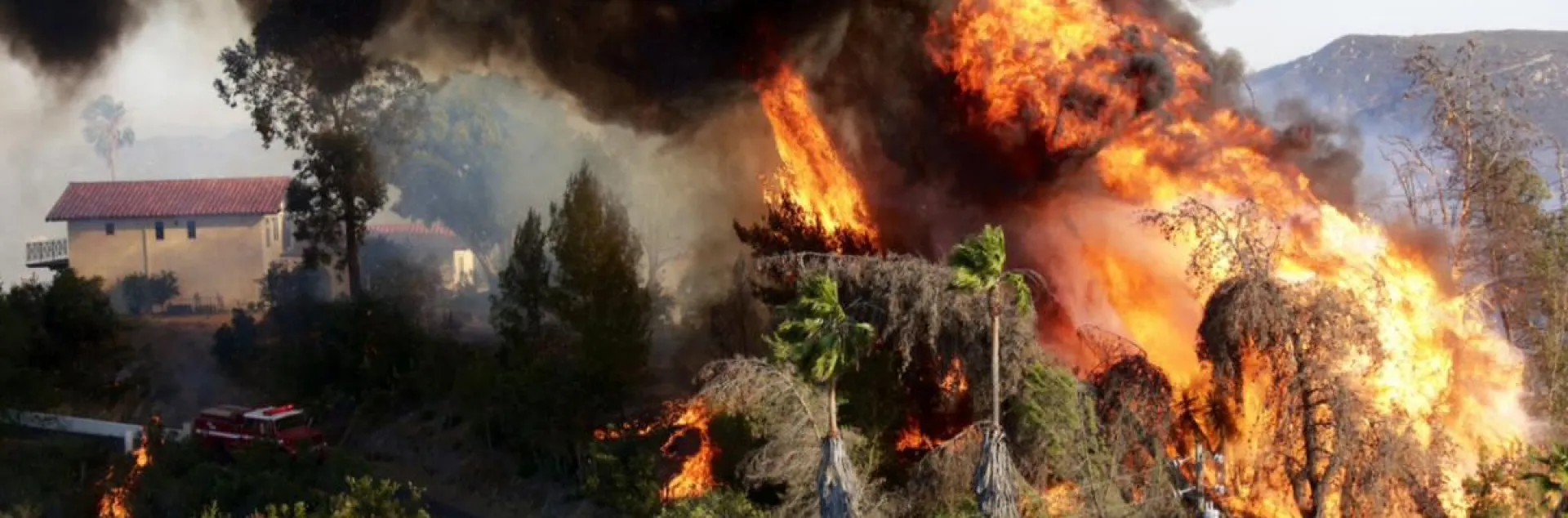
Wildfire in San Diego County
Wildfire is a reality of farming and ranching in San Diego County; wildfire has long been a part of our region's landscape. Historical records show that San Diego County has experienced hundreds of large wildfires over the past century, with some of the most devastating fires occurring in October 2003. Despite advances in fire suppression and quick response times of local emergency services, wildfire remains a recurring challenge for agricultural producers. As climate change contributes to hotter temperatures, prolonged drought, and more extreme fire weather, the best tool to mitigate its affect is preparation. While no farm can eliminate wildfire risk completely, proactive planning can reduce losses and improve recovery when disasters occur.
Preparing Before Wildfire Strikes
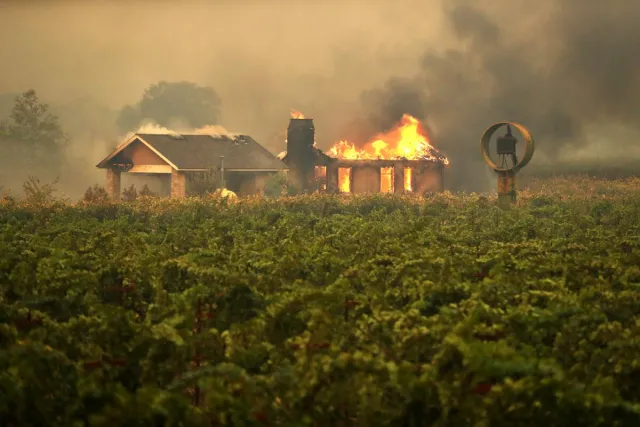
The California Department of Food and Agriculture's Farm and Ranch Emergency Plan Guide emphasizes that preparedness begins long before smoke appears on the horizon. Developing a written emergency plan helps producers identify risks, establish communication procedures, and prepare for evacuation, shelter-in-place situations, and recovery efforts.
One of the most important preparedness actions is creating defensible space around homes, barns, and other agricultural structures. The guide recommends removing combustible vegetation near buildings, maintaining fire breaks, and reducing fuel loads through methods such as mowing, vegetation management, or targeted grazing. Grazing has the added benefit of reducing fine fuels such as dry grasses and invasive weeds that can contribute to fire spread. Producers should also identify multiple evacuation routes, establish relationships with neighboring operations that may be able to temporarily house livestock, and ensure transportation resources are available before an emergency occurs.
EXTERNAL IMAGE
Protecting Livestock During Wildfire
Wildfires can threaten animals directly through flames and indirectly through smoke exposure, loss of forage, damaged infrastructure, and disruptions to water supplies. The emergency planning guide encourages producers to develop livestock evacuation plans in advance and identify alternative locations where animals can be relocated if necessary. When evacuation is not possible, producers may need to shelter animals in place or move them to safe areas with reduced fuel loads. Decisions should be made early whenever possible, particularly when evacuation warnings are issued. Waiting until an evacuation order is issued can leave very little time to move animals safely. This guide also notes that smoke can affect both livestock and farmworkers. Animals exposed to wildfire smoke may experience respiratory irritation, lung inflammation, or other health impacts that can linger for weeks after a fire. Monitoring animals carefully and consulting with a veterinarian when concerns arise is an important part of post-fire management.
Recovery After the Fire
Recovery does not end when the flames are extinguished. Research conducted on San Diego County wildfires highlights that wildfire impacts can continue for years through erosion, flooding, water quality concerns, invasive weeds, and habitat changes. Studies have found that post-fire erosion can remain a significant concern for several years following a major wildfire event. After a wildfire, producers should assess infrastructure damage, inspect fences, evaluate water systems, and monitor pasture conditions before returning livestock to impacted areas. Livestock should be checked for burns, eye injuries, respiratory problems, and other health concerns related to smoke exposure.
Wildfire recovery also presents an opportunity to improve future resilience. Rebuilding damaged infrastructure, updating emergency plans, expanding defensible space, and strengthening communication networks can help producers better prepare for future events. The CDFA guide notes that preparedness is not a one-time activity, but an ongoing process that should be reviewed and updated regularly.
References
California Department of Food and Agriculture. (2025). Farm/ranch multi-hazard emergency plan guide. California Department of Food and Agriculture.
Salmon, T. P., Bell, C. E., Mellano, V. J., Shaw, D. A., Gonzales, J. G., Nakamura, G. M., & Quarles, S. L. (2007). Wildfire preparedness and recovery in San Diego County: A review and analysis white paper of data and research studies relevant to wildfire. University of California Cooperative Extension, County of San Diego.