
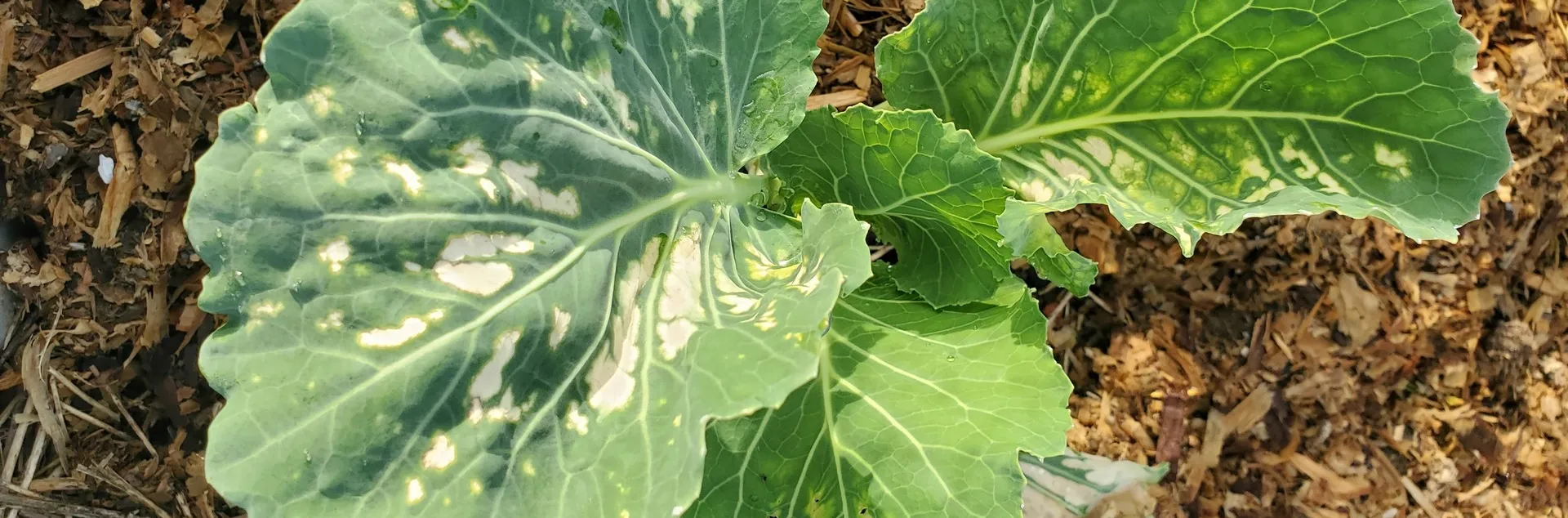
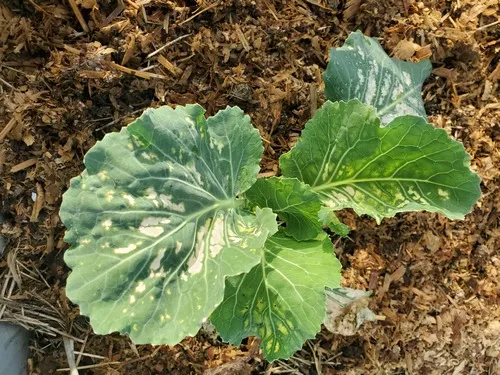
Phytotoxicity (phyto relates to plants) is the name for damage to plants caused by chemical substances. This is the time of year we hear about plants with blotches or splotches on leaves, curling leaves, or other deformities. If you have recently sprayed your plants and are seeing problems on the leaves, this may have been the cause.
While horticultural oils, vegetable oils, and Neem oil are safe to use to control a wide variety of pests, from powdery mildew to scales, aphids, spider mites, and whiteflies, they need to be applied carefully and thoughtfully. Even products that are thought to be less toxic and safer to use can cause damage to plants if not diluted correctly, are used on the wrong plants, or are applied when weather conditions are not favorable.
What can make the risk of phytotoxicity higher?
• Temperatures that are or expected to be above 90°F
• Spraying young plants or when they are flowering
• Using a product on a plant that is not on the product label
• Using more product than necessary or the product is not diluted correctly
• Not following the product’s label directions
How to avoid phytotoxicity problems
• Check the weather forecast before spraying.
• Do a test before applying a product to the entire plant. To do this, use it on a small area first and wait a few days to see if your plant has an adverse reaction.
• Use non-pesticide options whenever you can. Sometimes a strong spray of water is all you need to dislodge a pest population.
• Always read and follow the label instructions.
Existing damage can’t be cured, but by being smart about the products you use, you can avoid damage in the future.
See this link for more information about phytotoxicity: https://ipm.ucanr.edu/home-and-landscape/other-chemical-phytotoxicity/#gsc.tab=0
Help Desk of the UC Master Gardener Program of Contra Costa County (SEH)