
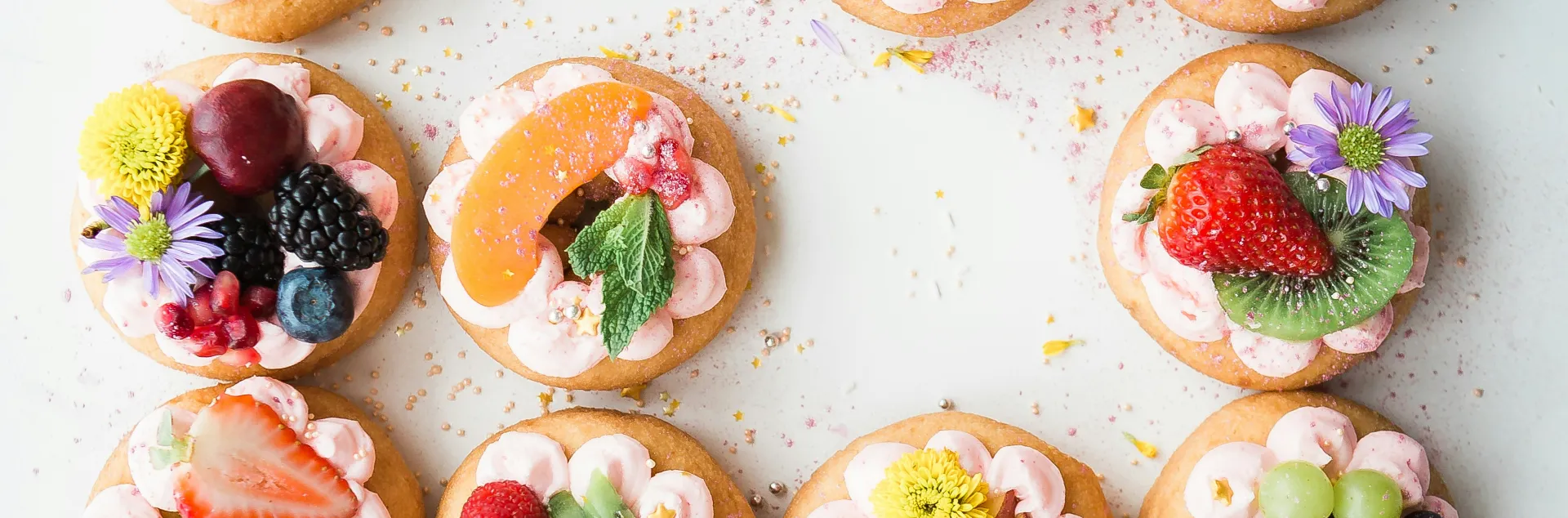
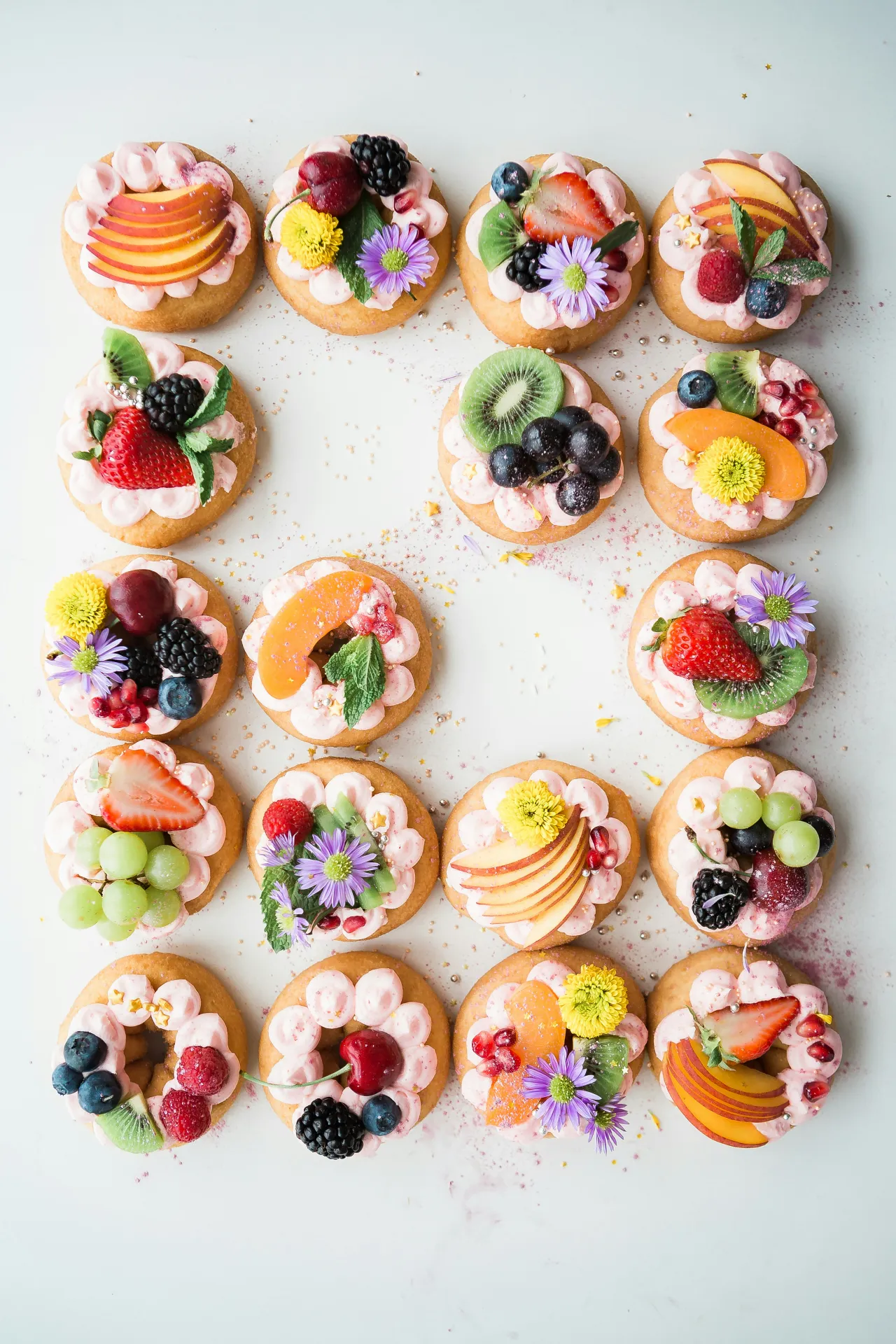
Edible flowers bring color, fragrance, and surprising flavors to the kitchen—often from plants already growing in San Francisco Bay Area gardens. Many of these blooms are easy to grow, drought-tolerant once established, and well-suited to our Mediterranean climate. Best of all, they can transform everyday dishes into something memorable.
This guide highlights a selection of easy-to-identify, flavorful flowers that Alameda County home gardeners can grow and enjoy. As always, only consume flowers you are certain are correctly identified and grown without pesticides. This includes flowers bought at a nursery.
Why Grow Edible Flowers?
Edible flowers are more than just garnish. They can:
- Add flavor—peppery, sweet, herbal, or citrusy
- Provide visual appeal—bright colors and unique shapes
- Support pollinators, especially bees and beneficial insects
- Fit easily into small spaces, raised beds, containers, or borders
Many edible flowers thrive in the Bay Area’s mild winters and dry summers, making them a natural addition to home gardens.
Nasturtium (Tropaeolum majus)
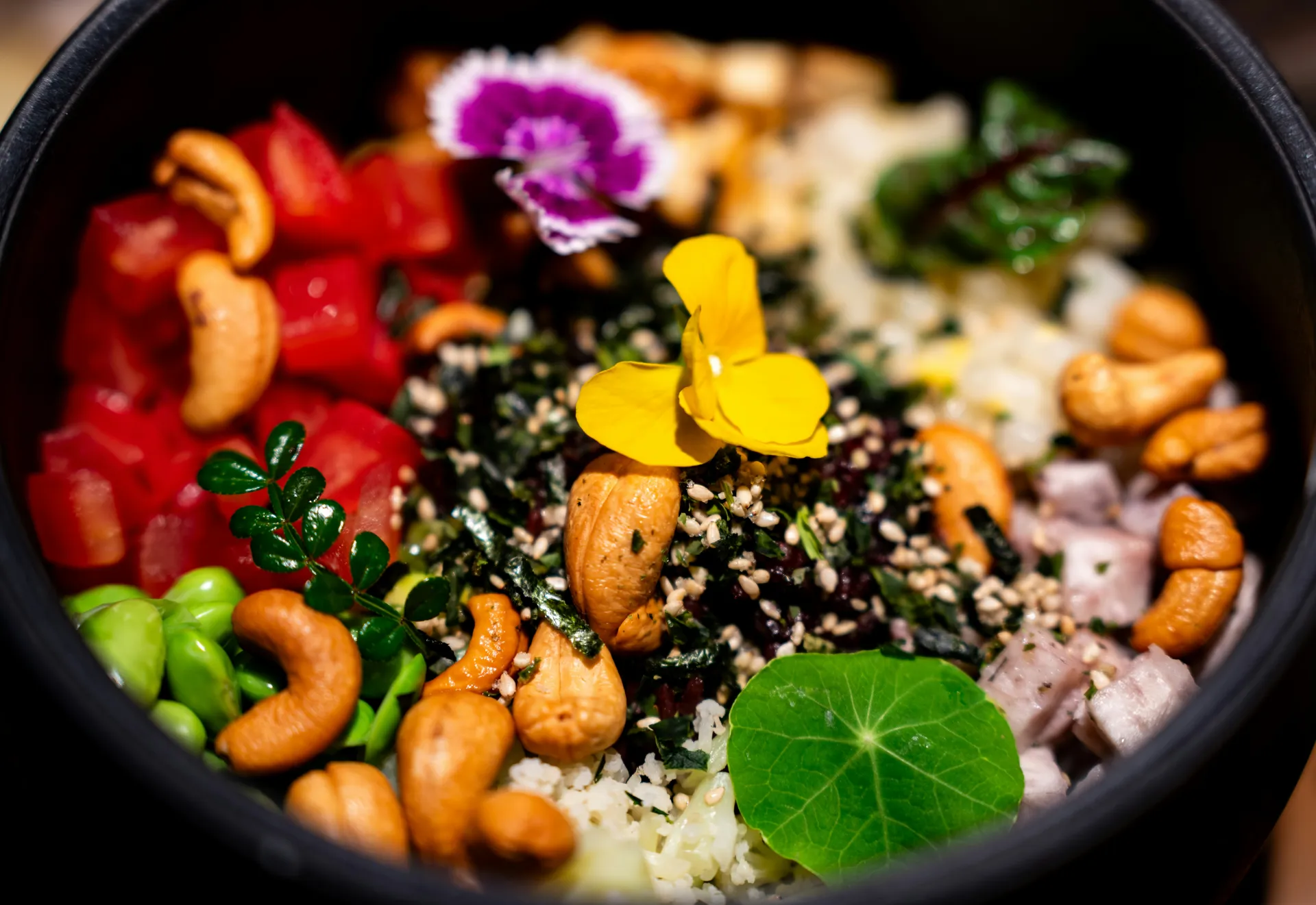
A cheerful, fast-growing annual with bright orange, yellow, and red blooms. It grows well in poor soil and can trail or mound. They produce large seeds that readily reseed in the garden. Give them room to spread or grow them in containers to keep them contained. Leave, flowers and seeds are all edible on nasturtiums. Some recipes describe picking the seeds to make nasturtium “capers”. The seeds should be relatively fresh as they harden when dried. Raw nasturtium seeds have a moderate horseradish taste.
Even if you don’t eat the leaves, nasturtiums are beautiful flowers to add to your garden.
- Flavor: Peppery, similar to arugula
- Uses: Salads, garnish, compound butter
- Growing tip: Too much fertilizer reduces flowering—lean soil is best
Calendula / Pot Marigold (Calendula officinalis)
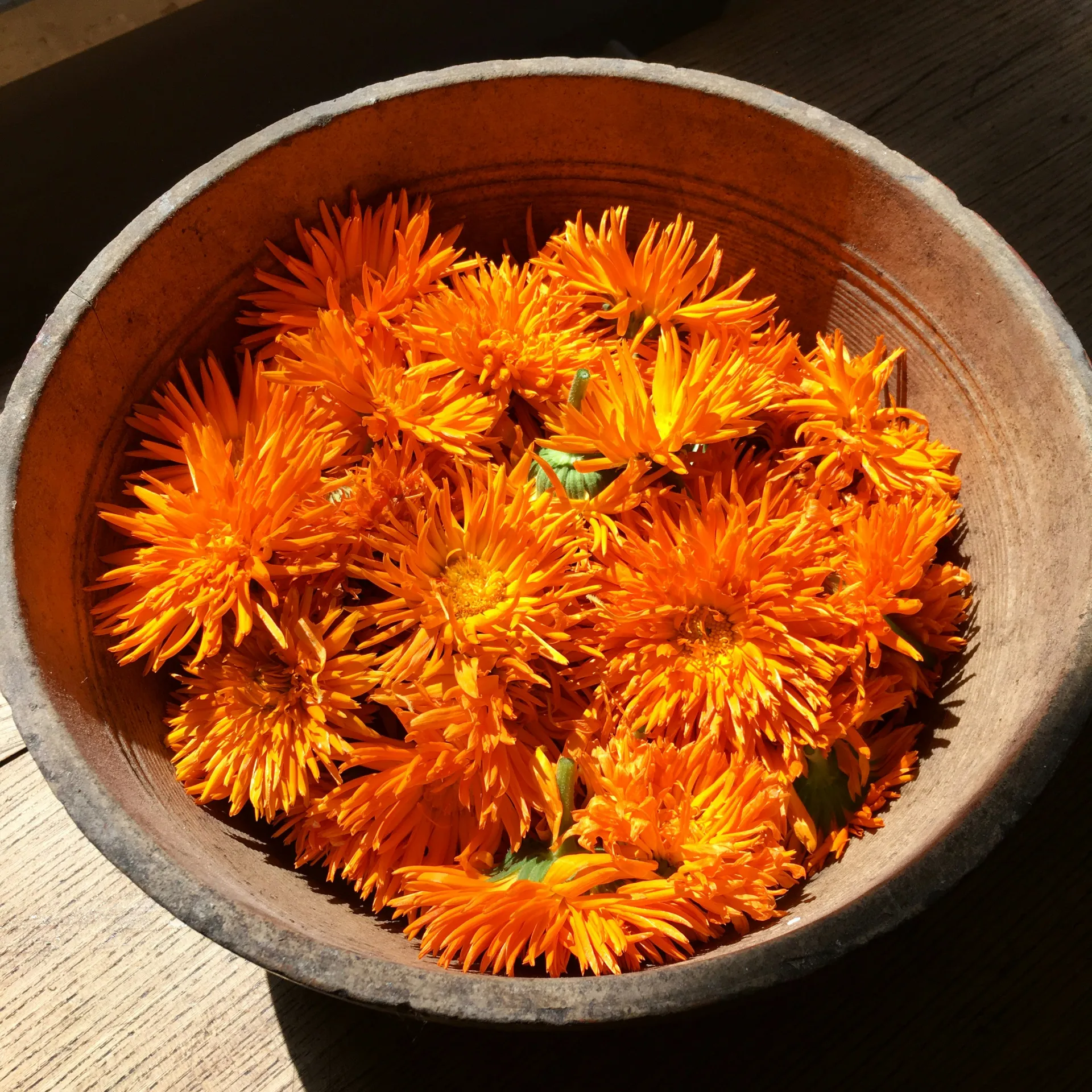
Calendula officinalis, sometimes called "poor man's saffron" or pot marigold, is a versatile, easy-to-grow edible flower that reseeds easily. Only the yellow/orange petals are generally eaten, often used fresh as a garnish, dried in teas, or infused in oils.
A cool-season favorite with bright daisy-like blooms:
- Flavor: Mild, slightly tangy
- Uses: Salads, rice dishes, natural food coloring (“poor man’s saffron”)
- Growing tip: Calendulas are hardy, cool-season, edible annuals that relish cool temperatures and may go dormant in extreme winter or stop blooming in intense summer heat.
Borage (Borago officinalis)
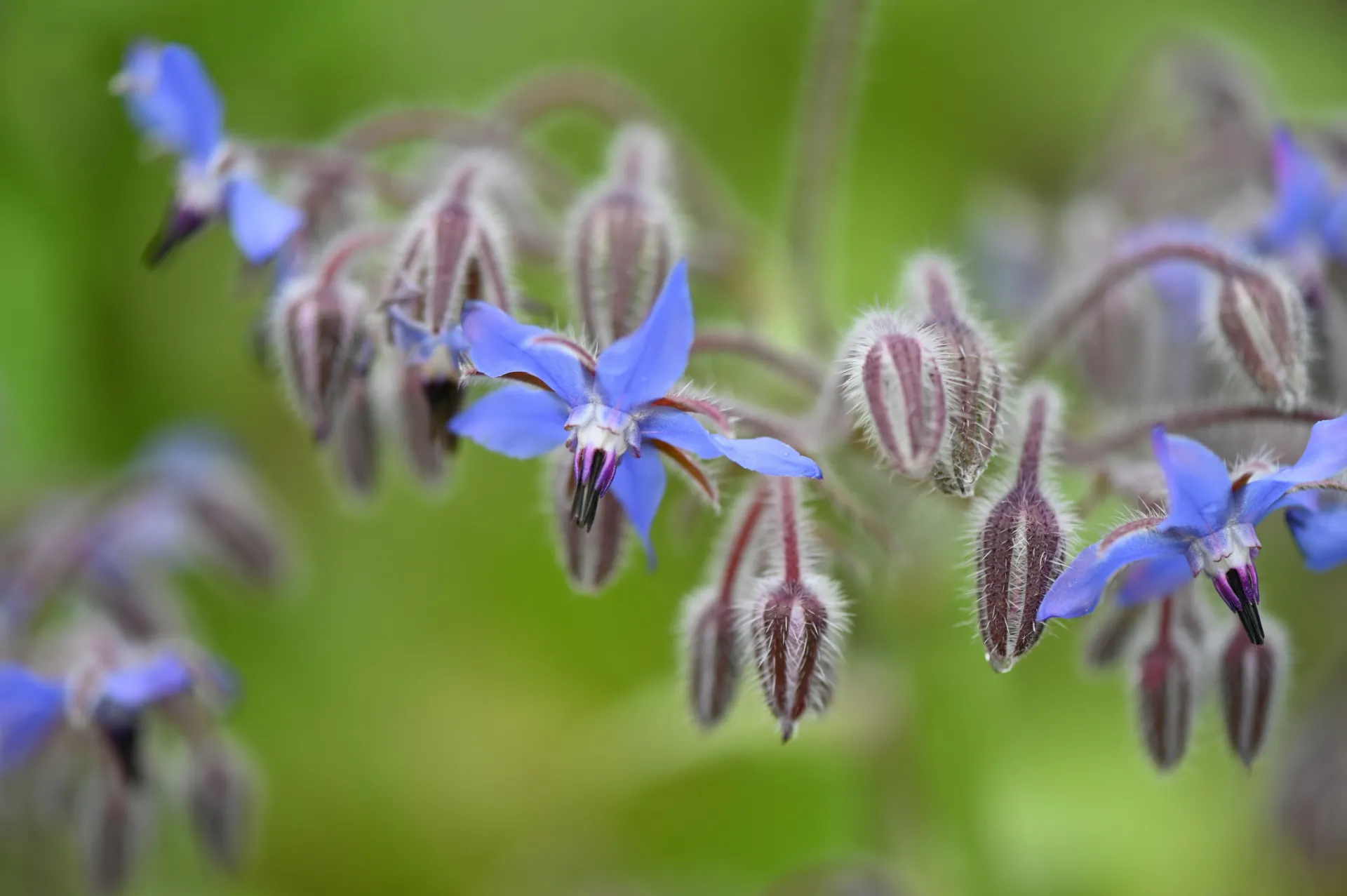
A pollinator magnet with striking blue, star-shaped flowers and fuzzy foliage, Borage (Borago officinalis) is a versatile, edible, and ornamental herb with a distinct cucumber-like flavor in both its star-shaped blue flowers and its leaves. It enhances salads, drinks, and desserts, and is easily grown, often self-seeding in sunny spots. The flowers are attractive floating in summer drinks, like iced tea, and can be frozen into ice cubes.
The striking blue, star-shaped flowers add a great accent to gardens.
- Flavor: Mild cucumber
- Uses: Drinks, salads, frozen into ice cubes
- Growing tip: Self-seeds readily—allow a few plants to go to seed
Viola / Pansy (Viola spp.)
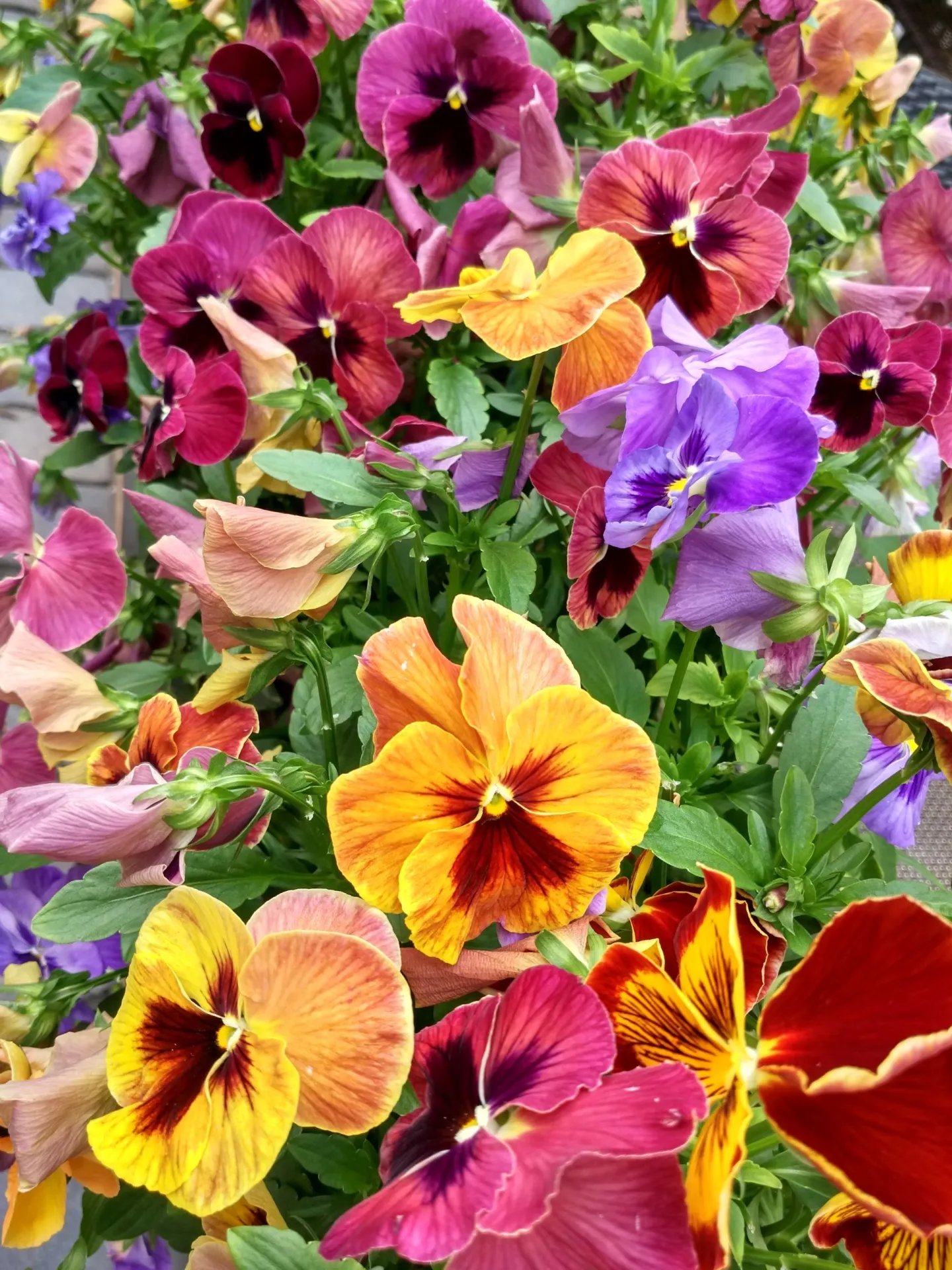
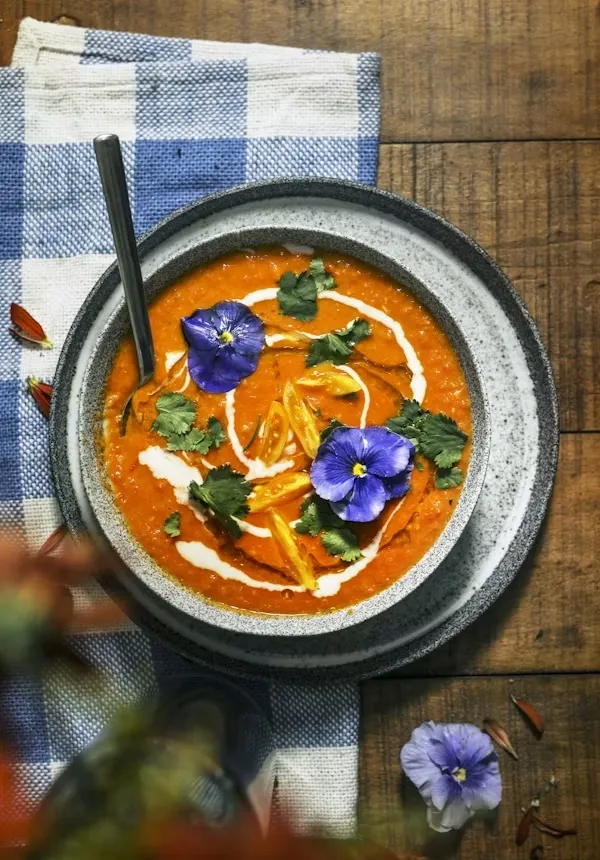
Violas and Pansies are closely related both in the same genus: Viola (Viola spp). They are considered safe and edible, offering a mild, slightly sweet, or lettuce-like flavor with a hint of wintergreen. These colorful, cool-season blooms are excellent for salads, garnishes, desserts, cake decoration, or frozen into ice cubes. The many color varieties of Violas and Pansies make a stunning presentation in salads or just as a garnish on a main dish or desert. Nurseries in the San Francisco Bay Area usually carry many colors and varieties of Violas and Pansies to choose from.
Small, colorful blooms are often planted in winter and early spring.
- Flavor: Mild, slightly sweet
- Uses: Deserts, salads, candied flowers
- Growing tip: Thrive in cooler weather—great for fall and winter planting
Rose (Rosa spp.)
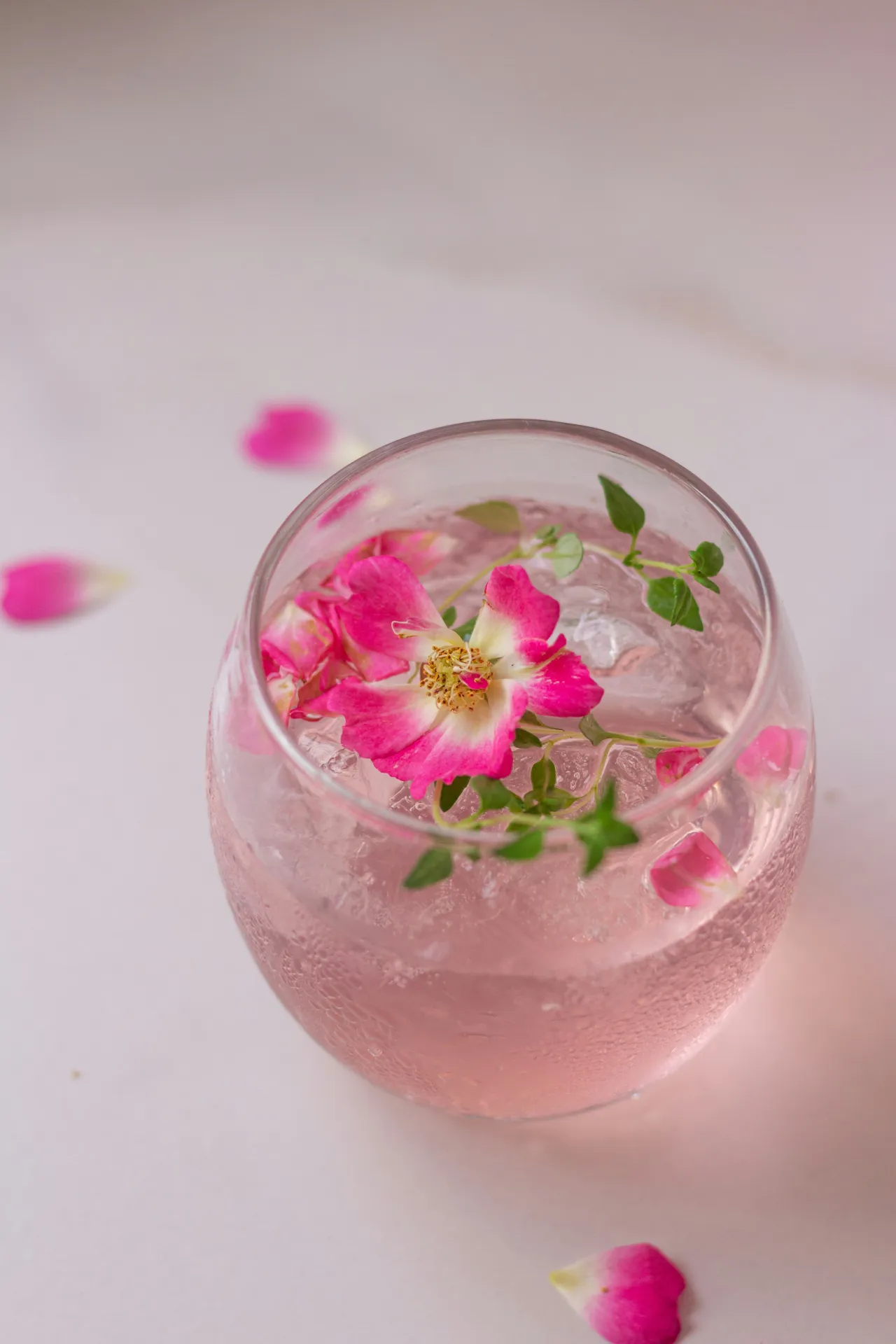
Not only are they in almost every garden, organically grown roses are considered edible, though flavor varies significantly by variety and color. The primary edible portions are the petals and the hips, which are the berry-like fruits that develop after the bloom.
A culinary tip: when cooking with the petals, remove the bitter white base of the petals before consumption. Rose hips can be eaten fresh, dried for tea or used to make jellies and sauces.
A classic garden plant with fragrant petals used worldwide in cooking.
- Flavor: Mildly sweet and aromatic (varies by variety)
- Uses: Desserts, syrups, teas, jams, flavored butters and sugars
- Growing Tip: Cutting the rose hips for your salads is a good reminder to trim your roses throughout the growing season. As with all of the flowers mentioned here, be sure they are pesticide-free or washed thoroughly and are free of pesticidal residue.
Lavender (Lavandula spp.)
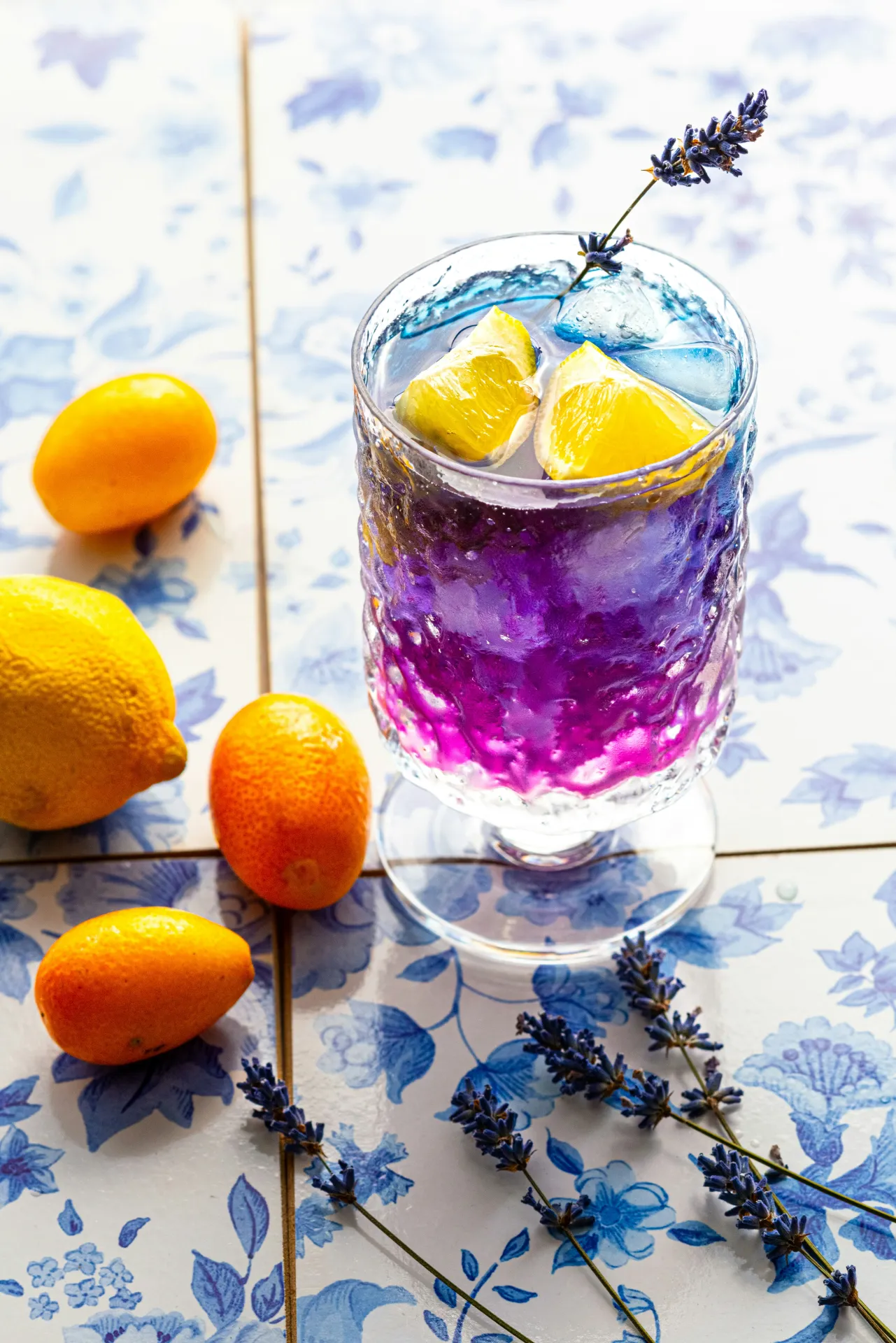
Lavender is a versatile, edible herb commonly used in cooking, particularly for desserts, teas, and savory dishes. Lavandula angustifolia (English lavender) is highly recommended for culinary use due to its sweet, floral notes, while Spanish lavender (Lavandula stoechas) is generally avoided due to its bitter, camphor-like taste.
A Bay Area staple, valued for its fragrance and drought tolerance.
- Flavor: Sweet, floral, slightly minty
- Uses: Baked goods, teas, syrups and flavored vinegars and oils.
- Growing Tips: Lavenders over time become woody and less productive. Expect to replant every 3-5 years.
Squash Blossoms (Cucurbita spp.)
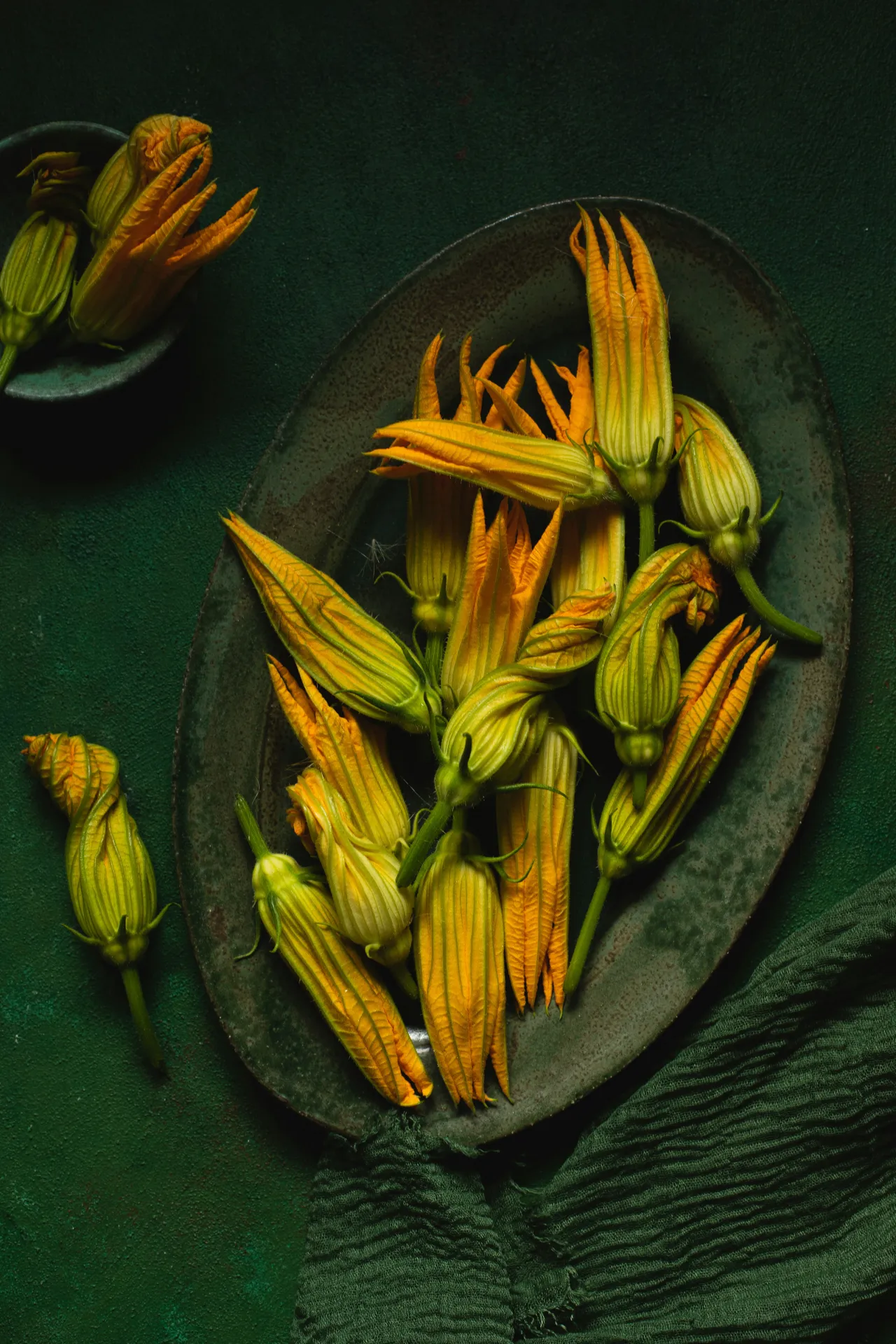
Squash blossoms (flowers from zucchini, pumpkin, and other cucurbits) are edible. Both male (long stem) and female (short stem with a tiny fruit base) flowers are edible, though harvesting too many females reduces fruit yield. Where there are excess male or female flowers (common with Zucchini), this is a perfect way to make use of them. Be sure to clean out the flowers well as insects can easily hide inside the trumpet shaped flowers.
Another benefit of growing Zucchini, a staple in many bay area vegetable gardens:
- Flavor: Mild, slightly sweet
- Uses: Stuffed, fried, soups, quesadillas.
- Growing Tip: When harvesting flowers be sure to leave a sufficient number of female flowers to produce full sized fruit.
Citrus Flowers
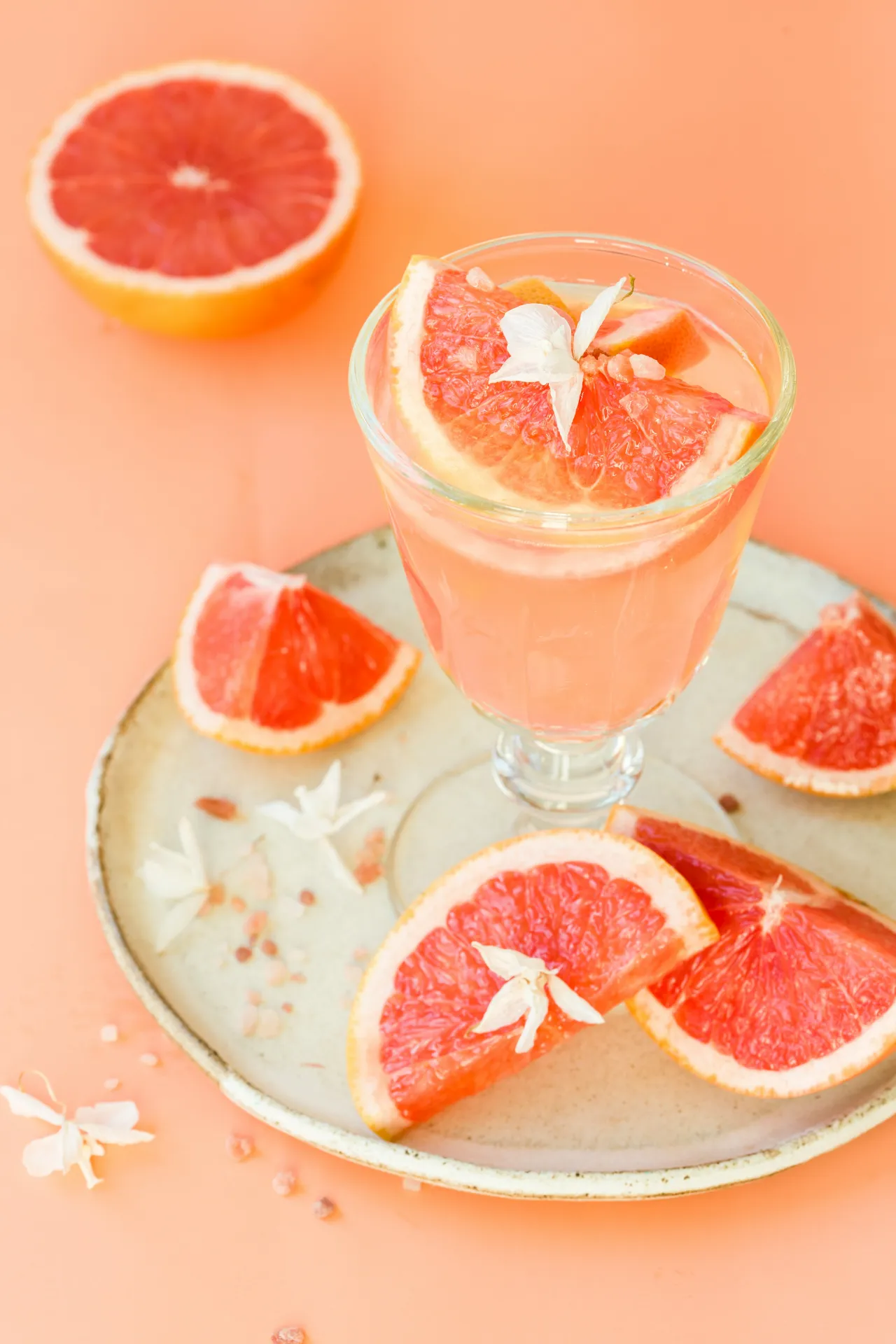
Citrus flowers are among the most fragrant blooms in the garden, filling the air with a sweet perfume that many gardeners associate with California orchards and backyard citrus trees. Beyond their beauty and scent, the blossoms of oranges, lemons, limes, mandarins, and other citrus species are also edible and can add delicate floral notes to both sweet and savory dishes.
Citrus blossoms have a light, sweet, floral flavor with hints of the fruit that will later develop. Different citrus species offer subtle variations:
- Orange blossoms – intensely fragrant, sweet, and floral
- Lemon blossoms – bright and lightly citrusy
- Mandarin blossoms – delicate and sweet
- Lime blossoms – more aromatic with a slightly spicy citrus note
Because the flavor can be strong, citrus flowers are usually used as an accent rather than a main ingredient.
Ways to Use Citrus Blossoms
- Float blossoms in sparkling water or lemonade
- Infuse simple syrup for desserts and cocktails
- Add petals to fruit salads
- Garnish cakes, cookies, or custards
- Steep fresh blossoms in tea
- Freeze blossoms in ice cubes for decorative drinks
- Candy petals for elegant dessert decorations
The blossoms pair especially well with honey, vanilla, berries, almonds, and dark chocolate.
A few safety tips:
Before adding flowers to your plate:
✔ Only eat flowers you can confidently identify.
✔ Avoid flowers from florists, roadsides, or unknown sources (possible pesticide exposure).
✔ Introduce new flowers in small amounts to check for allergies and sensitivities.
✔ Remove bitter or tough parts (e.g., rose petal bases, thick stems).
Special Precaution:
Edible flowers can trigger allergies causing symptoms like sneezing, itchy eyes, runny nose, or rashes. Those with severe pollen or plant allergies should exercise caution. It is best to introduce new edible flowers in small amounts.
A Final Thought
Edible flowers offer a simple way to connect your garden to your kitchen—bringing seasonal beauty straight to the table. Whether you’re tossing nasturtiums into a salad, freezing borage into ice cubes, or infusing lavender into a dessert, these blooms can add both flavor and delight to everyday meals.
References
- UC Master Gardeners of Marin County – The Joy of Growing Edible Flowers and Asian Greens in Your Garden
- UC Master Gardeners of San Mateo & San Francisco Counties – Petal Power! Punch Up Your Palate With Edible Flowers
- UC ANR Real Dirt Blog – Edible Flowers: Fragrant and Tasty Treats
- UC Master Gardener Program of Alameda County – Flowers Page
- UC Master Gardeners of Santa Clara County – Borage
- UC ANR Backyard Gardener – Magical, Marvelous Borage
Note:
Always verify that flowers are correctly identified and free of pesticide residues before consumption. Some flowers may cause allergic reactions in sensitive individuals. When trying edible flowers for the first time, sample small amounts initially.
Want to learn more?
This blog post is brought to you by the Help Desk of the UC Master Gardeners of Alameda County. Subscribe to our blog!
Have a Gardening Question? We'll Help.
Visit our Help Desk page to submit your question and see additional ways you can reach us.