
A Guide to Contaminants of Emerging Concern in Southern California and Where to Learn More
Every day, chemicals and particles from the products we use, the roads we drive on, the medicines we take, and the materials we manufacture can enter wastewater, stormwater, rivers, groundwater, and, in some cases, drinking water sources. Some of these substances are known as Contaminants of Emerging Concern (CECs) [1-3].
CECs are not always "new" chemicals. In many cases, they have been present in the environment for decades. What is emerging is our ability to detect them, understand how they move through natural and engineered systems, and evaluate whether they may affect human health, aquatic ecosystems, water reuse programs, or long-term water supply planning [1-3].
Advances in analytical chemistry now allow scientists to measure contaminants at parts-per-billion and even parts-per-trillion concentrations. These technological improvements have expanded our understanding of contaminants that were previously difficult or impossible to detect, leading researchers, water managers, and regulators to reexamine how contaminants move through the environment and how they may affect people and ecosystems [2,3].
This article serves as the gateway to our Contaminants of Emerging Concern series. It introduces the major categories of CECs, explains why they matter in Southern California, discusses current management approaches, and provides links to additional articles that explore specific contaminants in greater depth.
💡 Did You Know?
Some contaminants can now be detected at concentrations equivalent to a few drops dispersed throughout an Olympic-sized swimming pool. Improved monitoring tools continue to reveal contaminants that were previously invisible to scientists [2,3].
To better understand why these contaminants are receiving increasing attention from scientists, water managers, and regulators, it is helpful to first understand what Contaminants of Emerging Concern are and what makes them different from more familiar water contaminants
What Are Contaminants of Emerging Concern?
Contaminants of Emerging Concern (CECs) are chemicals, particles, or biological agents that are receiving increased scientific attention because they may pose risks to human health, ecosystems, or water resources but are not always routinely monitored or fully regulated [1,3].
The term "emerging" can be misleading. It does not necessarily mean a contaminant is newly created. Instead, it often reflects new scientific understanding about a contaminant's occurrence, behavior, toxicity, environmental persistence, or potential impacts [1].
CECs encompass a wide variety of substances that differ in their sources, environmental behavior, and potential impacts.
Major categories of Contaminants of Emerging Concern include:
- Per- and polyfluoroalkyl substances (PFAS)
- Microplastics and nanoplastics
- Pharmaceuticals and personal care products (PPCPs)
- Tire-derived chemicals (e.g., 6PPD-quinone)
- Flame retardants
- Pesticides and herbicides
- Engineered nanomaterials
- Antimicrobial-resistant bacteria and antimicrobial resistance genes
- Cyanotoxins produced by harmful algal blooms
These contaminants enter water systems through a wide range of pathways, reflecting the many ways they are produced, used, and disposed of in modern society. Common pathways include wastewater discharges, stormwater runoff, industrial activities, household product use, agricultural runoff, landfill leachate, atmospheric deposition, and improper disposal practices [1-3,10].
Some CECs have been linked to documented environmental or health effects, while others remain active areas of research. Scientists continue to investigate how these contaminants behave in water, sediments, soils, plants, wildlife, and people. Understanding where contaminants occur, how exposure happens, and whether concentrations are high enough to cause adverse impacts remains a central challenge for researchers and water managers alike [1-3].
💡 Did You Know?
Not every Contaminant of Emerging Concern poses the same level of risk. Some are well documented to affect human health or aquatic life, while others are still being studied to determine whether they occur at levels that warrant concern [1,3].
Why Are CECs Important in Southern California?
Southern California faces unique water management challenges. The region relies on a diverse portfolio of water sources, including imported water, local groundwater, recycled water, desalinated water, stormwater capture, and conservation programs. As communities work to strengthen water supply reliability, resilience, and sustainability, understanding the occurrence, movement, and management of Contaminants of Emerging Concern becomes increasingly important [11–13].
Many CECs have been detected in surface waters, groundwater, wastewater, stormwater runoff, and drinking water supplies throughout the world [2-10]. Although the presence of a contaminant does not automatically indicate a health risk, it raises important questions regarding treatment effectiveness, monitoring requirements, environmental impacts, and long-term management strategies [1–3].
Because these contaminants affect multiple parts of the urban water cycle, they have become an important consideration in regional water planning and management [11–13].
In Southern California, Contaminants of Emerging Concern influence several interconnected aspects of water management, including drinking water quality, environmental protection, water reuse, and water equity.
Drinking Water Quality
Some contaminants, particularly PFAS, have become a significant focus of drinking water monitoring and treatment because of their persistence, widespread occurrence, and potential health effects [4,5]. Other contaminants, including microplastics, pharmaceuticals, and cyanotoxins, continue to be actively studied to better understand their occurrence, exposure pathways, and potential health implications [6–9].
Environmental Water Quality
Stormwater runoff can transport tire-derived chemicals, pesticides, pharmaceuticals, microplastics, and other contaminants into rivers, lakes, wetlands, estuaries, and coastal waters. Understanding how these contaminants move through watersheds is essential for protecting aquatic ecosystems, improving stormwater management, and maintaining healthy waterways [10].
Water Reuse and Groundwater Recharge
California continues to expand water recycling and groundwater replenishment programs to improve local water supply reliability. Understanding how advanced treatment processes remove CECs is critical for protecting public health and maintaining public confidence in water reuse programs [12,13].
Water Equity
Emerging contaminants can create additional challenges for small water systems and disadvantaged communities, which often have fewer financial and technical resources to support monitoring, treatment, and regulatory compliance. These challenges raise important questions about affordability, funding, and equitable access to safe drinking water [14].
💡 Did You Know?
Southern California is home to some of the world's most advanced water recycling facilities. Many use multiple treatment barriers, including microfiltration, reverse osmosis, ultraviolet disinfection, and advanced oxidation processes to remove contaminants before water is reused [13,15].
Why Are CECs Challenging to Manage?
Managing CECs is often more complicated than managing traditional water pollutants.
One challenge is the sheer number of contaminants. Thousands of chemicals are currently used in commercial products and industrial applications, and new compounds continue to be developed each year [1,2]. Many have not been extensively studied in environmental settings.
A second challenge is that contaminants behave differently once they enter the environment. Some dissolve readily in water. Others attach to sediments. Some accumulate in living organisms, while others transform into new compounds that may be more or less toxic than the original contaminant [1,2].
Regulation can also lag behind science. Before agencies establish standards or monitoring requirements, researchers must understand how contaminants move through the environment, how exposure occurs, and whether adverse effects are likely at environmentally relevant concentrations. This process often requires years of research and evaluation [1,3].
Treatment presents another challenge. A technology that effectively removes one contaminant may be less effective for another. Water utilities often evaluate multiple treatment approaches depending on the specific contaminants present in their source water and the treatment objectives they are trying to achieve [13,15].
Finally, many CECs are associated with products used in everyday life. Reducing contamination therefore requires a combination of source control, public education, improved treatment technologies, monitoring programs, and regulatory action [1,12,13].
💡 Did You Know?
Researchers continue to discover new contaminants and transformation products. As science advances, the list of contaminants considered "emerging" will likely continue to evolve [1,2].
How Are Contaminants of Emerging Concern Regulated?
Unlike many traditional drinking water contaminants, Contaminants of Emerging Concern (CECs) are not regulated under a single law or by a single government agency. Because CECs differ widely in their chemical properties, sources, environmental behavior, potential health effects, and exposure pathways, different laws apply depending on the contaminant, where it occurs, and how people or the environment may be exposed [16–33].
Developing regulations for CECs is often a gradual process. Before an enforceable standard can be established, scientists must determine whether a contaminant occurs frequently enough to warrant concern, whether it poses risks to human health or aquatic ecosystems, whether laboratories can measure it accurately, and whether effective treatment or management options exist. As new scientific information becomes available, agencies may first issue monitoring requirements, health guidance, or voluntary recommendations before adopting enforceable regulations [16–18,28,29].
In the United States, CECs are regulated through a combination of federal and state laws. Federal laws establish nationwide requirements, while California has adopted additional authorities that often provide broader environmental protection or address contaminants before federal standards are developed [16-33].
Federal Regulatory Framework
Several federal laws provide the authority to regulate different aspects of CECs. Rather than regulating contaminants through a single program, these laws address different stages of a contaminant's life cycle, including chemical manufacture, product use, drinking water protection, wastewater discharges, pesticide use, hazardous waste management, and environmental cleanup.
Safe Drinking Water Act (SDWA)
The Safe Drinking Water Act (SDWA) is the primary federal law protecting drinking water supplied by public water systems. Under the SDWA, the U.S. Environmental Protection Agency (EPA) establishes National Primary Drinking Water Regulations, including Maximum Contaminant Levels (MCLs) or treatment techniques for contaminants determined to pose risks to public health [16,17].
Not every CEC receives a federal drinking water standard. Before regulating a contaminant, EPA evaluates its occurrence in drinking water, potential health effects, analytical methods, available treatment technologies, and the potential benefits of regulation. EPA also uses the Unregulated Contaminant Monitoring Rule (UCMR) to collect nationwide occurrence data on contaminants that are not yet regulated but may warrant future evaluation [18].
Clean Water Act (CWA)
The Clean Water Act (CWA) protects rivers, lakes, wetlands, estuaries, and other waters of the United States by regulating pollutant discharges from qualifying point sources. Through the National Pollutant Discharge Elimination System (NPDES), permits may include monitoring requirements, discharge limitations, or other conditions that help manage contaminants entering surface waters [19,20].
For some CECs, watershed monitoring, industrial pretreatment programs, or Total Maximum Daily Loads (TMDLs) may also contribute to water quality protection [20,21]. However, the presence of a contaminant in the environment does not automatically result in a federal water quality standard or discharge limit.
Toxic Substances Control Act (TSCA)
The Toxic Substances Control Act (TSCA) gives EPA authority to evaluate industrial chemicals manufactured or imported into the United States. Depending on the available scientific evidence, EPA may require testing, conduct risk evaluations, or restrict certain chemical uses that present unreasonable risks to human health or the environment [22].
Because TSCA authorizes EPA to review new chemicals before commercial manufacture and to evaluate risks from existing chemicals, it can serve as an upstream tool for preventing or reducing environmental contamination.
Other Federal Laws
Several additional federal laws may apply depending on the contaminant and its source. The Federal Insecticide, Fungicide, and Rodenticide Act (FIFRA) regulates pesticide registration and use, the Resource Conservation and Recovery Act (RCRA) governs hazardous waste management, and the Comprehensive Environmental Response, Compensation, and Liability Act (CERCLA), commonly known as Superfund, authorizes investigation and cleanup of hazardous substance releases [23-25].
Together, these laws regulate different stages of a contaminant's life cycle, from manufacture and product use to environmental releases, waste management, and site remediation
California Laws and Programs
California supplements federal requirements through state laws, regulations, policies, and public health programs designed to protect drinking water, groundwater, surface water, and recycled water. In several areas, California has established contaminant-monitoring programs, health-based guidance, or other protective requirements in the absence of, or before the adoption of, corresponding federal standards [26–30].
Porter-Cologne Water Quality Control Act
The Porter-Cologne Water Quality Control Act is California's primary water quality law. Unlike the federal Clean Water Act, which focuses on waters of the United States, Porter-Cologne applies to all waters of the state, including groundwater. It authorizes the State Water Resources Control Board and the nine Regional Water Quality Control Boards to regulate waste discharges, establish water quality objectives, require monitoring, oversee cleanup activities, and enforce water quality requirements [26].
Because many CECs are detected in stormwater, groundwater, recycled water, and surface waters, Porter-Cologne provides one of California's most important legal authorities for protecting water resources.
California Safe Drinking Water Act
The California Safe Drinking Water Act establishes the state's drinking water program. The State Water Resources Control Board develops and enforces drinking water standards, while the California Office of Environmental Health Hazard Assessment (OEHHA) develops Public Health Goals (PHGs), which represent concentrations expected to pose no significant health risk over a lifetime of exposure. PHGs are health-based goals and are not enforceable standards. When developing a Maximum Contaminant Level, the State Water Board considers both the PHG and the feasibility of available treatment technologies [27,28].
California may also establish Notification Levels and Response Levels for contaminants before adopting enforceable drinking water standards. These provide health-based guidance for public water systems while scientific evaluation continues [29].
Potable Reuse
California is a global leader in potable water reuse. Regulations governing groundwater replenishment, surface water augmentation, and direct potable reuse rely on multiple treatment barriers [13,15,30,36–38], source control, continuous monitoring, and rigorous operational requirements to protect public health. Regulations for direct potable reuse became effective on October 1, 2024 [30].
Pesticides and Water Quality
The California Department of Pesticide Regulation (DPR) oversees pesticide registration, environmental monitoring, and risk mitigation. Under the Pesticide Contamination Prevention Act, DPR evaluates pesticides with the potential to contaminate groundwater and may modify or restrict pesticide uses to protect water resources [31].
Product Restrictions and Source Reduction
California also reduces contaminant releases by regulating certain chemicals before they enter the environment. For example, Assembly Bill 1200 (AB 1200) restricts the use of intentionally added PFAS in certain plant-based food packaging and establishes chemical disclosure requirements for cookware [32]. Other initiatives, including the Department of Toxic Substances Control's Safer Consumer Products Program, evaluate chemicals of concern in consumer products and encourage safer alternatives [33].
An Evolving Regulatory Landscape
The regulation of CECs continues to evolve as scientific understanding improves. Some contaminants currently have enforceable drinking water standards, while others are managed through monitoring programs, health guidance, discharge permits, product regulations, pesticide controls, or continued research.
Federal and California regulations do not always develop at the same pace. California may establish additional monitoring requirements, public health guidance, or environmental protections under state law, provided those actions are consistent with applicable federal authority. As analytical methods improve and new contaminants are identified, the regulatory framework for CECs will continue to evolve to reflect advances in science, technology, and public health.
💡 Did You Know?
A contaminant does not need to have a federal drinking water standard before California begins monitoring or managing it. Depending on the available scientific evidence and legal authority, California may establish Notification Levels, Response Levels, monitoring programs, product restrictions, or other protective measures while additional research and regulatory evaluations continue [26-33].
Measures to Reduce Contaminants of Emerging Concern
While regulations establish standards and guide monitoring efforts, protecting water resources from Contaminants of Emerging Concern requires action beyond regulatory compliance. Because CECs differ widely in their sources, chemical properties, persistence, environmental behavior, and potential health effects, no single management strategy is effective for every contaminant. Instead, reducing contaminant releases and minimizing potential risks requires a combination of prevention, treatment, monitoring, research, and public participation working together across the urban water cycle [12,13, 34-38].
Water agencies, researchers, industries, regulators, and communities all play important roles in managing CECs. Collectively, their efforts help protect drinking water supplies, improve environmental water quality, support safe water reuse, and strengthen long-term water resilience.
Source Control
Preventing contaminants from entering water systems is often the most effective and economical management strategy. Once contaminants are released into wastewater, stormwater, groundwater, or surface waters, they can become more difficult and costly to remove.
Source control focuses on reducing contaminant inputs before they reach the environment. Examples include proper disposal of unused medications through authorized take-back programs, selecting products with fewer hazardous chemicals, improving industrial and manufacturing practices, reducing pesticide and fertilizer runoff, and increasing public awareness of how everyday activities influence water quality [12,23,31–33].
Green Infrastructure and Nature-Based Solutions
Green infrastructure and nature-based solutions help reduce the movement of contaminants transported by stormwater runoff before they reach streams, rivers, lakes, wetlands, groundwater, and coastal waters.
Practices such as permeable pavements, bioswales, rain gardens, constructed wetlands, and vegetated infiltration systems slow stormwater runoff, promote infiltration, support natural biological and chemical processes, and reduce erosion. Depending on the contaminant and site conditions, these systems can reduce pollutant loads, improve water quality, enhance groundwater recharge, and provide additional environmental benefits such as habitat creation, flood mitigation, and urban cooling [34,35].
Although green infrastructure can reduce the transport and concentrations of some contaminants, it may not effectively remove every CEC [34,35]. For this reason, these practices are often used alongside other management strategies as part of an integrated watershed approach.
Advanced Treatment Technologies
Even with effective source control, some contaminants still reach drinking water and wastewater treatment facilities. Water and wastewater utilities therefore use advanced treatment technologies to reduce contaminant concentrations and protect public health.
Depending on treatment objectives and the contaminants present, technologies such as activated carbon adsorption, reverse osmosis, advanced oxidation processes, ozonation, ultraviolet disinfection, and membrane filtration may be used individually or in combination. Because different technologies target different contaminants, treatment trains are often designed using multiple barriers to improve overall removal efficiency [12,30,36-38].
Monitoring and Scientific Research
Scientific understanding of CECs continues to evolve as new contaminants are identified and analytical methods become more sensitive. Ongoing monitoring and research therefore remain essential components of effective CEC management.
Monitoring programs help identify emerging contaminants, evaluate trends over time, assess treatment performance, detect changes in environmental conditions, and support regulatory decision-making. At the same time, scientific research improves our understanding of contaminant sources, environmental transport, exposure pathways, ecological and human health effects, and the development of more effective treatment and management strategies [1-3,12,18,34-38].
The knowledge generated through monitoring and research supports adaptive management, allowing water agencies, regulators, and researchers to refine strategies as new scientific information becomes available.
💡 Did You Know?
No single treatment technology can effectively remove every Contaminant of Emerging Concern. For this reason, many drinking water and potable reuse facilities use multiple treatment barriers that work together to reduce a broad range of contaminants and provide multiple layers of public health protection [13,30,36-38].
Everyone Has a Role to Play
Protecting water resources from Contaminants of Emerging Concern is a shared responsibility. While governments, water utilities, researchers, and industries play critical roles in monitoring contaminants, developing regulations, advancing treatment technologies, and conducting scientific research, individuals and communities also contribute to reducing contaminant releases and protecting water quality.
Although no single action can eliminate CECs, the combined efforts of many people can significantly reduce the introduction of contaminants into the environment and support healthier watersheds, safer drinking water, and more resilient communities.
Residents and Communities
Everyday decisions can help reduce the release of contaminants into wastewater systems, stormwater runoff, and the environment. Residents can contribute by:
- Properly disposing of unused medications through authorized drug take-back programs rather than flushing them down sinks or toilets.
- Following label directions when using pesticides, herbicides, fertilizers, and household chemicals, and applying only the amounts needed.
- Taking paints, solvents, motor oil, cleaning products, and other household hazardous wastes to approved collection facilities.
- Reducing plastic waste through reuse, recycling, and proper disposal to help limit the generation of microplastics.
- Preventing litter, pet waste, and automotive fluids from entering streets and storm drains.
- Participating in community clean-up events, watershed stewardship activities, and educational programs that promote water quality protection.
Businesses and Industries
Businesses and industries can help reduce contaminant releases by:
- Adopting pollution prevention and source reduction practices.
- Using safer alternatives to hazardous chemicals where feasible.
- Properly storing, handling, and disposing of chemicals and industrial wastes.
- Complying with applicable environmental regulations and permit requirements.
- Improving manufacturing processes to reduce contaminant releases
- Supporting innovation through the development of safer products and sustainable technologies.
Water Utilities and Water Managers
Water utilities and water managers play a critical role in protecting public health by:
- Monitoring drinking water, wastewater, and source water quality.
- Implementing advanced treatment technologies where appropriate.
- Protecting rivers, reservoirs, groundwater, and other drinking water sources.
- Maintaining and upgrading water treatment and distribution infrastructure.
- Supporting water conservation, water recycling, and source water protection programs.
- Communicating water quality information and conservation practices to the public.
Researchers and Regulators
Researchers and regulatory agencies contribute to CEC management by:
- Conducting monitoring programs to identify emerging contaminants.
- Investigating contaminant sources, environmental transport, and exposure pathways.
- Evaluating potential risks to human health and aquatic ecosystems.
- Developing improved analytical methods and treatment technologies.
- Using scientific evidence to inform regulations, policies, and management decisions.
- Adapting management strategies as new scientific information becomes available.
Supporting Science and Solutions
Addressing Contaminants of Emerging Concern requires sustained investment in scientific research, monitoring, technology development, education, and community partnerships. Government agencies, foundations, philanthropic organizations, corporations, and other funding partners play an essential role in advancing the knowledge and innovations needed to protect water resources and public health.
Investments in CEC research and management help to:
- Support research on emerging contaminants, their sources, environmental fate, and potential impacts on human health and ecosystems.
- Develop and improve monitoring programs, analytical methods, and laboratory capabilities to detect contaminants at increasingly lower concentrations.
- Advance innovative treatment technologies and nature-based solutions that improve water quality and strengthen water resilience.
- Expand community education and outreach programs that promote pollution prevention and informed decision-making.
- Foster collaboration among universities, water agencies, government agencies, nonprofit organizations, industries, and local communities.
- Support pilot projects and demonstration sites that evaluate new approaches for contaminant reduction, water reuse, and watershed management.
- Increase access to safe, reliable, and sustainable water resources, particularly in underserved and disadvantaged communities.
- Train and develop the next generation of scientists, engineers, water professionals, and community leaders.
Long-term investments in science, education, and collaborative partnerships strengthen our ability to understand emerging water quality challenges, evaluate effective solutions, and translate research into practical actions that benefit communities. By supporting innovation today, funding organizations and philanthropic partners help build healthier watersheds, more resilient water systems, and safer drinking water for future generations.
Explore the Contaminants of Emerging Concern Publication Series
This publication introduces the broad field of Contaminants of Emerging Concern (CECs). Each contaminant or contaminant group discussed in this publication is explored in greater depth through dedicated publications developed by the Urban Watershed Resilience Program.
Each publication examines a specific contaminant from source to solution, helping readers understand what it is, where it comes from, how it behaves in the environment, its potential impacts on human and environmental health, current regulations, monitoring approaches, and practical management strategies.
Figure 1 provides an overview of the publication series. Additional publications will be added over time as the series expands, creating a growing collection of educational resources on Contaminants of Emerging Concern.
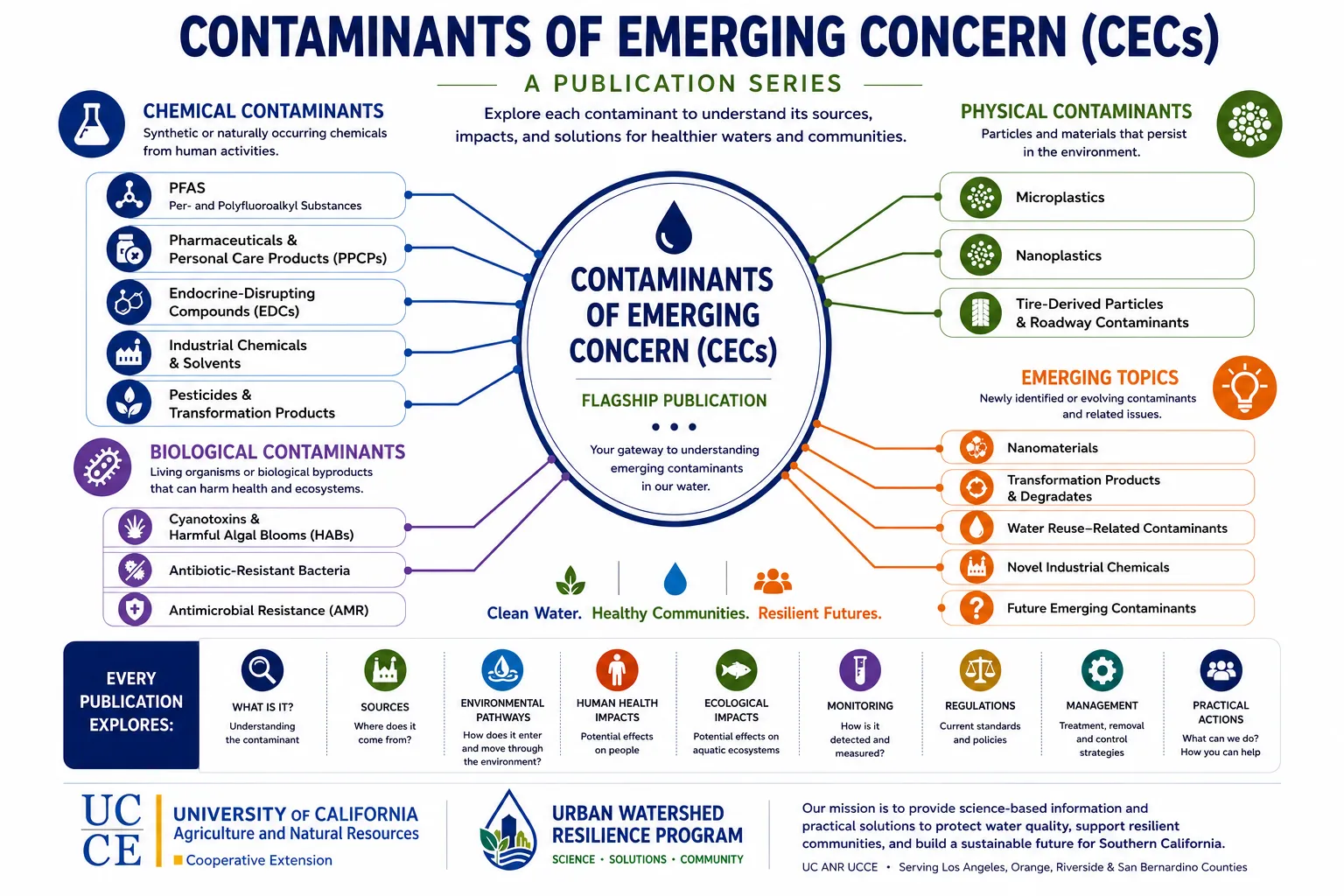
Figure 1. Roadmap to the Contaminants of Emerging Concern Publication Series
Explore Publications on:
Chemical Contaminants
- Per- and polyfluoroalkyl substances (PFAS)
- Pharmaceuticals and personal care products (PPCPs)
- Endocrine-disrupting compounds (EDCs)
- Industrial chemicals and solvents
- Pesticides and pesticide transformation products
Physical Contaminants
- Microplastics and nanoplastics
- Tire-derived particles and roadway contaminants
Biological Contaminants
- Cyanotoxins and harmful algal blooms
- Antibiotic-resistant bacteria and antimicrobial resistance
Emerging Topics
- Nanomaterials
- Transformation products and degradates
- Novel industrial chemicals
- Emerging contaminants associated with water reuse
- Additional contaminants identified through ongoing research
What You'll Find in Each Publication
Each publication in this series follows a consistent framework, providing readers with a comprehensive understanding of a specific contaminant by addressing questions such as:
- What is the contaminant?
- Why is it considered a Contaminant of Emerging Concern?
- Where does it come from?
- How does it enter and move through water resources?
- What are its potential impacts on human health and aquatic ecosystems?
- How is it monitored, regulated, and managed?
- What practical actions can help reduce risks?
- What research gaps and emerging issues remain?
References
[1] Sauvé, S., & Desrosiers, M. (2014). A review of what is an emerging contaminant. Chemistry Central Journal, 8, 15. https://doi.org/10.1186/1752-153X-8-15
[2] Richardson, S. D., & Kimura, S. Y. (2020). Water analysis: Emerging contaminants and current issues. Analytical Chemistry, 92(1), 473–505. https://doi.org/10.1021/acs.analchem.9b05269
[3] U.S. Environmental Protection Agency. (2026). Contaminants of Emerging Concern, Including Pharmaceuticals and Personal Care Products. https://www.epa.gov/wqc/contaminants-emerging-concern-including-pharmaceuticals-and-personal-care-products (Accessed July 29, 2026).
[4] Buck, R. C., Franklin, J., Berger, U., Conder, J. M., Cousins, I. T., de Voogt, P., Jensen, A. A., Kannan, K., Mabury, S. A., & van Leeuwen, S. P. J. (2011). Perfluoroalkyl and polyfluoroalkyl substances in the environment: Terminology, classification, and origins. Integrated Environmental Assessment and Management, 7(4), 513–541. https://doi.org/10.1002/ieam.258
[5] Wang, Z., DeWitt, J. C., Higgins, C. P., & Cousins, I. T. (2017). A never-ending story of per- and polyfluoroalkyl substances (PFASs)? Environmental Science & Technology, 51(5), 2508–2518. https://doi.org/10.1021/acs.est.6b04806
[6] World Health Organization. (2019). Microplastics in Drinking-water. Geneva, Switzerland: World Health Organization.
[7] Daughton, C. G., & Ternes, T. A. (1999). Pharmaceuticals and personal care products in the environment: Agents of subtle change? Environmental Health Perspectives, 107(Suppl. 6), 907–938. https://doi.org/10.1289/ehp.99107s6907
[8] Fent, K., Weston, A. A., & Caminada, D. (2006). Ecotoxicology of human pharmaceuticals. Aquatic Toxicology, 76(2), 122–159. https://doi.org/10.1016/j.aquatox.2005.09.009
[9] Paerl, H. W., & Otten, T. G. (2013). Harmful cyanobacterial blooms: Causes, consequences, and controls. Microbial Ecology, 65(4), 995–1010. https://doi.org/10.1007/s00248-012-0159-y
[10] Masoner, J. R., Kolpin, D. W., Cozzarelli, I. M., Barber, L. B., Burden, D. S., & Foreman, W. T. (2019). Urban stormwater: An overlooked pathway of extensive mixed contaminants to surface and groundwaters in the United States. Environmental Science & Technology, 53(17), 10070–10081. https://doi.org/10.1021/acs.est.9b02867
[11] California Department of Water Resources. (2023). California Water Plan Update 2023.
[12] California State Water Resources Control Board. Policy for Water Quality Control for Recycled Water. Sacramento, CA.
[13] California State Water Resources Control Board. Direct Potable Reuse Regulations and Program Resources. Sacramento, CA.
[14] State Water Resources Control Board. (2021). Human Right to Water: An Update on California's Safe and Affordable Drinking Water Fund Program.
[15] National Water Research Institute. (2023). Expert Panel Recommendations on Direct Potable Reuse in California. Fountain Valley, CA.
[16] U.S. Environmental Protection Agency. (2024). National Primary Drinking Water Regulations. Washington, DC: U.S. Environmental Protection Agency.
[17] U.S. Environmental Protection Agency. (2024). Safe Drinking Water Act (SDWA). Washington, DC: U.S. Environmental Protection Agency.
[18] U.S. Environmental Protection Agency. (2024). Fifth Unregulated Contaminant Monitoring Rule (UCMR 5). Washington, DC: U.S. Environmental Protection Agency.
[19] U.S. Environmental Protection Agency. (2024). Clean Water Act Overview. Washington, DC: U.S. Environmental Protection Agency.
[20] U.S. Environmental Protection Agency. (2024). National Pollutant Discharge Elimination System (NPDES). Washington, DC: U.S. Environmental Protection Agency.
[21] U.S. Environmental Protection Agency. (2024). Overview of Total Maximum Daily Loads (TMDLs). Washington, DC: U.S. Environmental Protection Agency.
[22] U.S. Environmental Protection Agency. (2024). Toxic Substances Control Act (TSCA). Washington, DC: U.S. Environmental Protection Agency.
[23] U.S. Environmental Protection Agency. (2024). Federal Insecticide, Fungicide, and Rodenticide Act (FIFRA). Washington, DC: U.S. Environmental Protection Agency.
[24] U.S. Environmental Protection Agency. (2024). Resource Conservation and Recovery Act (RCRA). Washington, DC: U.S. Environmental Protection Agency.
[25] U.S. Environmental Protection Agency. (2024). Comprehensive Environmental Response, Compensation, and Liability Act (CERCLA/Superfund). Washington, DC: U.S. Environmental Protection Agency.
[26] California Legislature. (2024). Porter-Cologne Water Quality Control Act (California Water Code, Division 7). Sacramento, CA.
[27] California State Water Resources Control Board. (2024). California Safe Drinking Water Act. Sacramento, CA.
[28] California Office of Environmental Health Hazard Assessment (OEHHA). (2024). Public Health Goals (PHGs) for Chemicals in Drinking Water. Sacramento, CA.
[29] California State Water Resources Control Board. (2024). Notification Levels and Response Levels for Drinking Water Contaminants. Sacramento, CA.
[30] California State Water Resources Control Board. (2024). Direct Potable Reuse Regulations. Sacramento, CA.
[31] California Department of Pesticide Regulation. (2024). Pesticide Contamination Prevention Act Program. Sacramento, CA.
[32] California Legislature. (2021). Assembly Bill 1200 (AB 1200): Plant-Based Food Packaging and Cookware. Sacramento, CA.
[33] California Department of Toxic Substances Control. (2024). Safer Consumer Products Program. Sacramento, CA.
[34] Bodus, K., et al. (2021). Green infrastructure practices for improving urban stormwater quality: A review. Science of the Total Environment, 789, 147857.
[35] Stefanakis, A. I. (2019). The role of constructed wetlands as green infrastructure for sustainable urban water management. Sustainability, 11(24), 6981. https://doi.org/10.3390/su11246981
[36] Shannon, M. A., Bohn, P. W., Elimelech, M., Georgiadis, J. G., Marĩas, B. J., & Mayes, A. M. (2008). Science and technology for water purification in the coming decades. Nature, 452, 301–310. https://doi.org/10.1038/nature06599
[37] Snyder, S. A., Adham, S., Redding, A. M., Cannon, F. S., DeCarolis, J., Oppenheimer, J., Wert, E. C., & Yoon, Y. (2007). Role of membranes and activated carbon in the removal of endocrine disruptors and pharmaceuticals. Desalination, 202(1–3), 156–181. https://doi.org/10.1016/j.desal.2005.12.052
[38] National Research Council. (2012). Water Reuse: Potential for Expanding the Nation's Water Supply Through Reuse of Municipal Wastewater. Washington, DC: The National Academies Press. https://doi.org/10.17226/13303
We’d Love Your Feedback
Your feedback helps us develop better educational resources, identify community information needs, and improve future blogs, publications, workshops, and outreach programs.
The survey takes approximately two minutes to complete.
About the Author
Dr. Esther N. Lofton is the Urban Watershed Resilience Advisor with the University of California Cooperative Extension. She serves communities in Los Angeles, Orange, Riverside, and San Bernardino counties.
Her program focuses on drinking water quality; environmental water quality, including stormwater management; water supply security; water-use efficiency; and water equity, including access to safe and reliable water resources. Through research, education, and partnerships, she works to connect scientific knowledge with practical solutions that support healthier watersheds and more resilient communities across Southern California.
This flagship publication introduces the Contaminants of Emerging Concern Publication Series. Future articles will explore individual contaminants and contaminant groups in greater depth.
New publications will be added as the series develops.
Subscribe to receive updates when new articles, educational resources, workshops, and program announcements are published.
Subscribe for SoCal Water Resources Updates
You can also bookmark the SoCal Water Blog Series and follow us on social media for new publications and program updates.
🌐 Continue Exploring
📖 Related Reading
💧 Drinking Water Week 2026
From Source to System: A Regional Check on Reliability, Risk, and Responsibility
Explore how drinking water systems are managed and the shared responsibilities involved in protecting safe, reliable, and resilient water supplies.
📊 Understanding Your Consumer Confidence Report
Learn how to find, read, and interpret your annual drinking water quality report, also known as a Consumer Confidence Report.
English
Español
🌊 Explore the SoCal Water Blog Series
Browse articles and educational resources across:
• Drinking Water Quality
• Environmental Water Quality
• Water-Use Efficiency
• Water Supply Security
• Water Equity
• Southern California Urban Food Production
• Watershed Resilience, Climate Change, and Water Systems
https://ucanr.edu/site/socal-water-resources/socal-water-blog-series
🌿 Learn More About Our Programs
🌊 SoCal Water Resources
Visit the official website of the Urban Watershed Resilience Program for educational resources, research updates, blogs, surveys, publications, events, and opportunities for community engagement.
https://ucanr.edu/site/socal-water-resources
🌿 Watersheds Program
Explore science-based educational resources, projects, and community partnerships focused on watershed health, stormwater management, nature-based solutions, and watershed stewardship across Southern California.
https://ucanr.edu/site/watersheds-los-angeles-and-ventura-counties
📩 Contact or Collaborate
Questions, partnership ideas, research interests, and outreach requests are welcome.
📲 Follow and Stay Connected
Instagram: @socal_h2o
TikTok: @socal_water
X: @socal_h2o