Top 20 Edible Garden Problems
Common Pests & Problems in Edible Gardens
Edible gardens are certainly not immune to pests and diseases. Pests can take out tender young plant shoots in one night, eat holes in mature leaves and fruit, and leave slimy tracks all over.
The best way to treat pests is to prevent them:
• Plant disease resistant varieties or edibles that are relatively pest free
• Keep the garden clean
• Maintain healthy soil
• Provide habitat for natural enemies
• Monitor plants regularly for pests
• Use an integrated pest management approach
Top 20 problems in edible gardens
Got pests or other problems in your veggie garden and want to know how to manage them? Here are some of the common plant problems and pests in Marin.
INSECTS, SPIDERS & MITES, SNAILS & SLUGS:









Don't see your problem above? Here's more information about other types of insects, mites, mollusks and nematodes.
DISEASES









Didn't find what you were looking for? Here is more information on other types of plant diseases.
OTHER PROBLEMS
Some garden problems aren't caused by pests or diseases, but by environmental or cultural problems including watering issues, nutrient imbalances and physical issues.


> BACK TO EDIBLES
> What Edible Gardens Need
> Best Choices for Marin
> How to Prepare
> How to Plant
> Edibles in Containers
> Planting Calendar
> Grow & Care Sheets for Vegetables, Herbs & Fruits
> Tips & Techniques
> How to Maintain
> Fruit Trees
> Top 20 Edible Garden Problems
> Cover Crops & Soil Enhancements in the Off-season
> Conserving Water
•••••••••
Visit our EDIBLE DEMO GARDEN at IVC Organic Farm & Garden
Pest Profiles: Invertebrates
Invertebrate pests – insects, spiders and mites, snails, and slugs
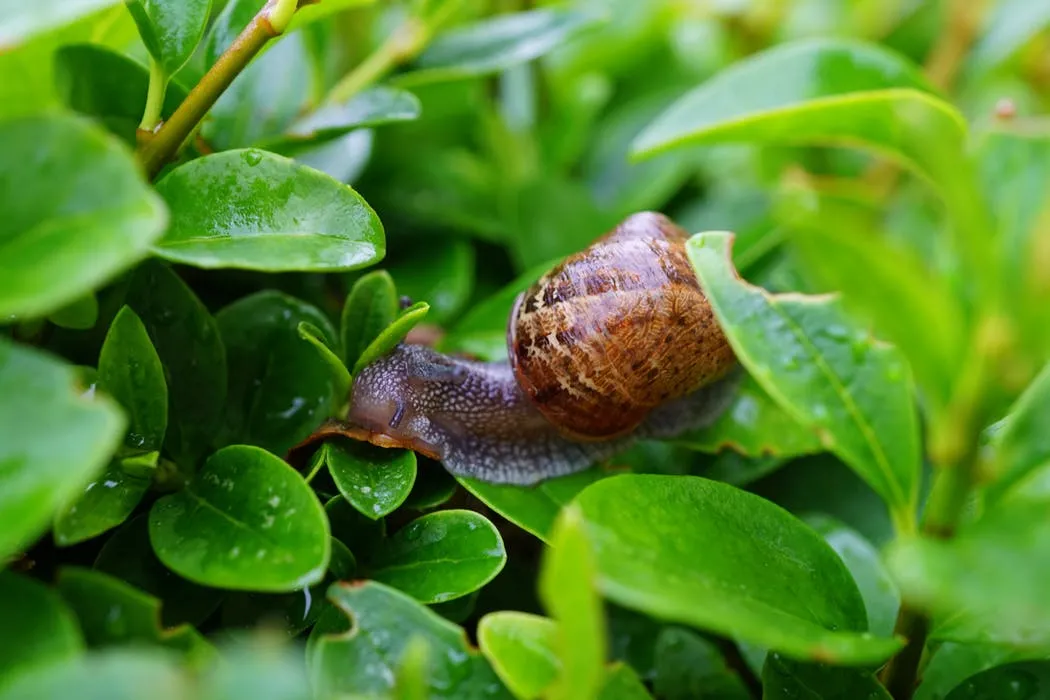
An invertebrate is any animal without an internal backbone including insects, spiders, mollusks, crustaceans, and worms.
Insects (Arthropods)
• Have three main body segments, three pairs of walking legs, and antennae
• Live in the air, on and in soil, and in water
• Majority are harmless or even beneficial; less than 1% are considered pests
• Aid in the production of fruits, seeds, and vegetables by pollinating blossoms
• Improve soil’s physical condition by burrowing throughout the surface layer
• Some parasitize or prey on harmful insects
• Serve as food sources for birds, fish, mammals, reptiles, and other animals
Spiders and mites (Arachnids)
• Have two main body segments, four pairs of walking legs, and no antennae
• Spiders are generally beneficial because of the large number of insects they eat
Snails and slugs (Mollusks)
• Move by gliding along on a muscular “foot”
• The “foot” constantly secretes mucus that helps them move and later dries to form the silvery slime trail
> GARDEN PESTS:
> Vertebrates
> Diseases