
Livestock and Natural Resources
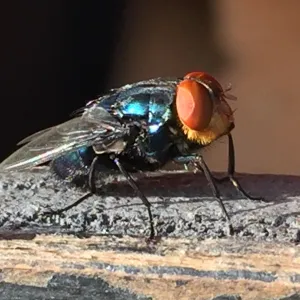
New World Screwworm in the US
USDA Animal Plant Health Inspection Service (APHIS) confirmed the detection of New World Screwworm in Texas on June 3, 2026. For updates, check the USDA APHIS confirmed detection dashboard.
What is New World Screwworm (NWS)?
NWS is a fly that lays eggs in open wounds. Its larvae (maggots) feed on living flesh in warm-blood animals, causing severe, often deadly damage to the animal. For educational resources and information visit the UC Riverside Murillo Research Group.
Bridging UC Research and Rangeland Management
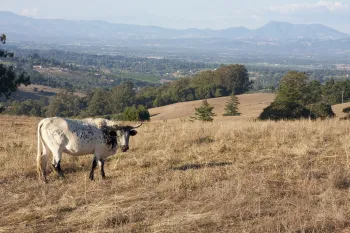
We provide California’s livestock ranchers and managers with the evidence-based information necessary to balance productive livestock operations with environmental stewardship. Our resources cover the full spectrum of range management—including livestock health, ecosystem services, and rangeland hydrology—ensuring that the state's natural resources are managed for today and preserved for tomorrow.
Explore Our Research & Management Expertise
While our navigation menu helps you find resources by species, we also provide specialized, research-based publications and guidance on the following critical landscape and management topics:
- Environmental Stewardship: Ecosystem Services, Oak Woodlands, and Wildlife Management
- Water & Land Health: Rangeland Hydrology, Non-point Source Pollution, and Water Quality
- Production & Economics: Livestock and Natural Resource Economics, Range Improvements, and Production Management
- Pasture & Health: Irrigated Pastures and Livestock Health