
Fire Preparedness Tips
Are you prepared?
It is fire season here in the Central Sierra and it is important to be prepared. As seen by the Dove fire in Sonora, fires can escalate quickly and be in your back yard or porch before you know it. Considering this, here are a few reminders from University of California Cooperative Extension in Disaster Resilience.
Plan before fire strikes.
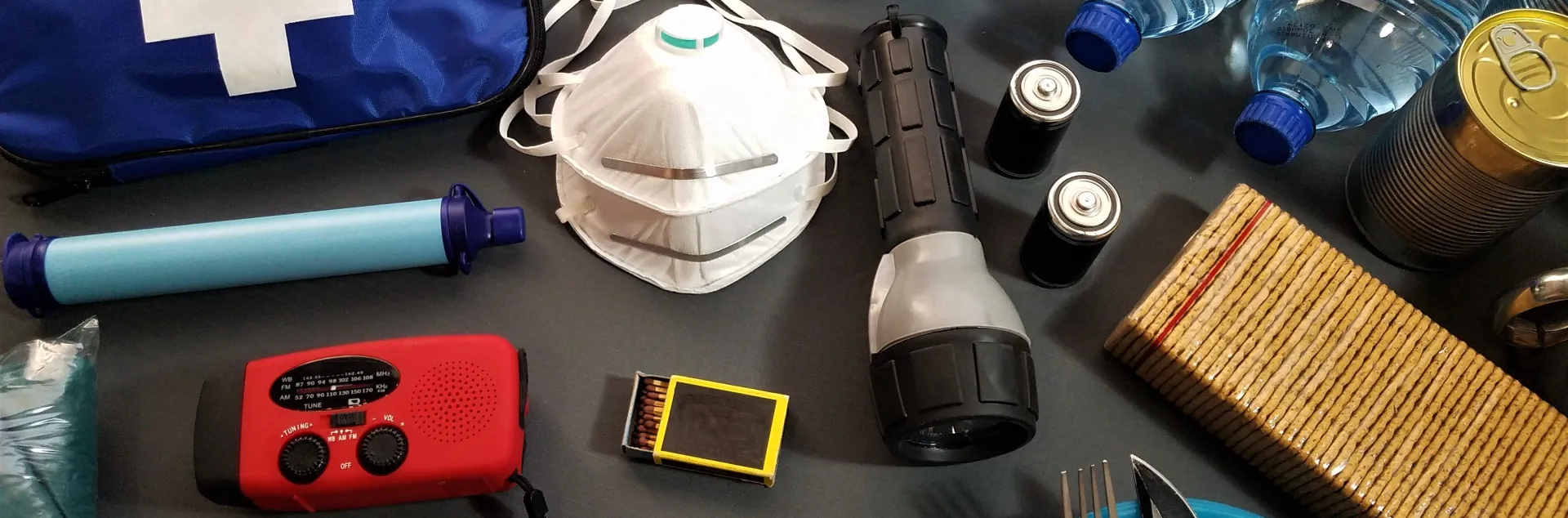
- Have a go-bag with essentials and emergency supplies that can be quickly accessed. Important documents such as passports, births certificates and social security cards should be in one accessible place to be grabbed quickly.
- Take pets and pet supplies whenever possible and plan for them as well.
- Know your evacuation routes, rallying points, and know those of your family and loved ones. If you do not have a vehicle, coordinate with someone who does and integrate your plans.
- If you cannot contact family members, go to the designated relocation center until contact is made. Keep an emergency contact list in your car.
- Have back-up plans for road closures and know multiple ways to get to your rallying point.
- Document your valuables for insurance in case the unthinkable are to happen, and you lose property due to the fire.
- Stay informed! Subscribe to the Watch Duty app on your device for updates, evacuation warnings, relocation/triage centers and fire maps. In Sonora you can subscribe to the Tuolumne Sheriffs page on Facebook or tune in on the radio to KKBN 93.5 FM, KVML 1450 AM, KZSQ 92.7 FM, KOSO 93 FM. Remember that Office of Emergency Services (OES) in Tuolumne County are now under the Sherriff's department.
- If you are outside the area, find your local emergency radio stations and social media groups, along with the watch duty app.
- Obey emergency personnel and evacuate when instructed to!
A few simple preparedness steps can make a world of difference when a disaster strikes. For more tips on home hardening for fire as well as fuels reduction/prescribed burning to mitigate catastrophic fires in the future, go to: UC ANR Fire Network