

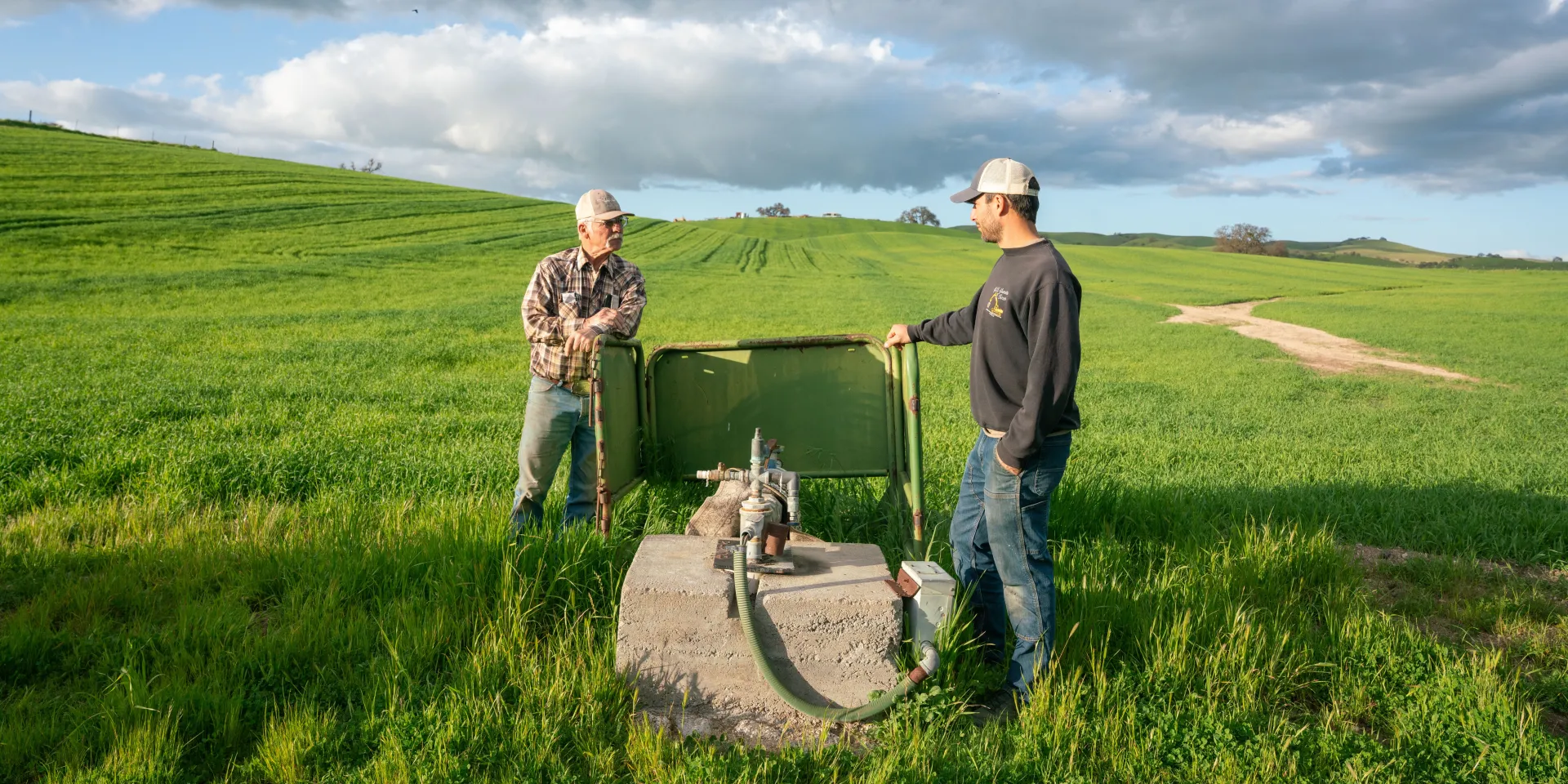
For some small-scale farmers, their first introduction to local groundwater regulations comes in the mail—in the form of an unexpected groundwater bill, pumping allocation, or other notice from their local groundwater agency.
Groundwater is a largely invisible resource, but it plays a critical role in California agriculture. While surface water often supplies farms during wet years, many farmers rely primarily on groundwater for their farm production. As California works toward long-term groundwater sustainability under the Sustainable Groundwater Management Act (SGMA), small-scale farmers across the state are navigating what those changes mean for their operations.
Many of these farmers sell directly to their communities through farm stands, farmers markets, community-supported agriculture programs and local food hubs. Yet despite their importance to local food systems, small farms are facing disproportionate challenges compared to larger agricultural operations when it comes to adapting to these new groundwater requirements.
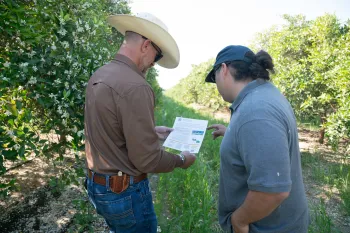
Understanding How SGMA Affects Small Farms
To better understand those experiences, the UC Small Farms Network and Community Alliance with Family Farmers (CAFF) developed Managing Groundwater with Small Farms in Mind: Risks, Barriers and Opportunities in the Sustainable Groundwater Management Act.
Drawing on three years of statewide outreach, surveys, policy review, data collection, and farmer engagement, our report represents one of the first efforts to document how small-scale farmers are experiencing groundwater regulation across California.
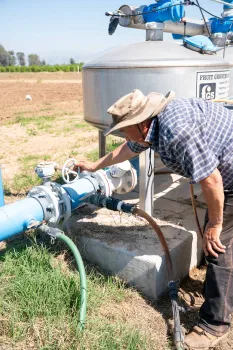
The findings point to an important reality: many small-scale farmers are not major contributors to groundwater overdraft, yet face significant burden adapting to new groundwater requirements. Farmers described navigating a complex mix of rising production costs, labor shortages, market uncertainty, and regulatory changes—all while trying to keep their operations viable.
While SGMA requires groundwater managers to consider agricultural water users, farms of all sizes are often grouped together despite having very different circumstances. Small-scale farmers typically use far less groundwater than larger agricultural operations and often have fewer financial and technical resources available to adapt to new requirements.
To help address these challenges, the report offers 50 recommendations focused on improving how small-scale farmers are identified and engaged, reducing unintended barriers, and ensuring that groundwater sustainability efforts account for the diversity of California agriculture.
Looking Ahead
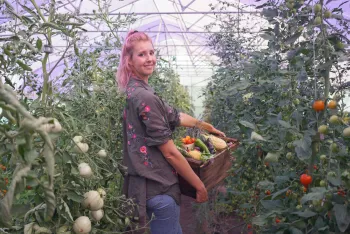
SGMA was designed to address decades of groundwater overdraft and protect California's water future. Our report suggests that achieving groundwater sustainability and maintaining a diverse agricultural landscape are complementary goals.
Small-scale farms play an important role in local food systems, rural economies, and community resilience. By better understanding the experiences of these producers and incorporating their perspectives into groundwater decision-making, agencies can help ensure that both groundwater resources and California's small farms remain viable for generations to come.
UC Small Farms Network and CAFF will continue sharing resources on how to understand groundwater regulations, how groundwater agencies can support family farms, and how to engage with this important new approach to groundwater governance.
Read the full report, Managing Groundwater with Small Farms in Mind to learn more. Key takeaways are available for Californian communities, Groundwater Sustainability Agencies, and State Agencies. For questions on the report, please reach out to sgma@ucanr.edu. Report press release available here.
Tune in to our upcoming Maven's Notebook (August 4) and Berkeley Food Institute (September 16) webinars discussing the report findings.
More about UC Small Farms Network & SGMA
This work is funded by the Department of Water Resource Underrepresented Communities, California Tribes, and Small Farmers Groundwater Technical Assistance Program (URCTA). This document does not reflect official positions or regulatory standards applied or used by the Department when administering its functions under SGMA.