
By Ellen Michels.
There is a lot of talk these days about the benefits of growing native plants in your garden. Native plants are adapted to the local climate and soil, so they need less water and fewer soil amendments. Native plants provide food and habitat for local insects and wildlife, help to sustain the local food web, and support biodiversity. They can also be beautiful, producing colorful flowers, fruits and seeds; many natives have vibrant foliage in the fall, as well.
If you’re thinking of venturing into the world of native plants, a new resource can help. The Native Plant Finder website is a simple, easy-to-use tool that can help you identify the right flowers, grasses, trees, and shrubs for your area. The Native Plant Finder website is a collaboration between the National Wildlife Federation and the U.S. Forest Service, and is based on the work of Doug Tallamy, noted entomologist and ecologist at the University of Delaware. The goal of the Native Plant Finder is to help people learn which plants are native to their area of the U.S., identify the butterflies and moths these plants support, and educate gardeners about the importance of native plants in sustaining biodiversity.
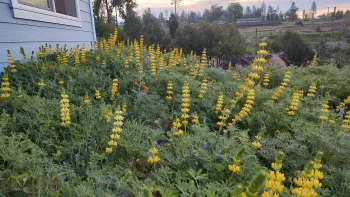
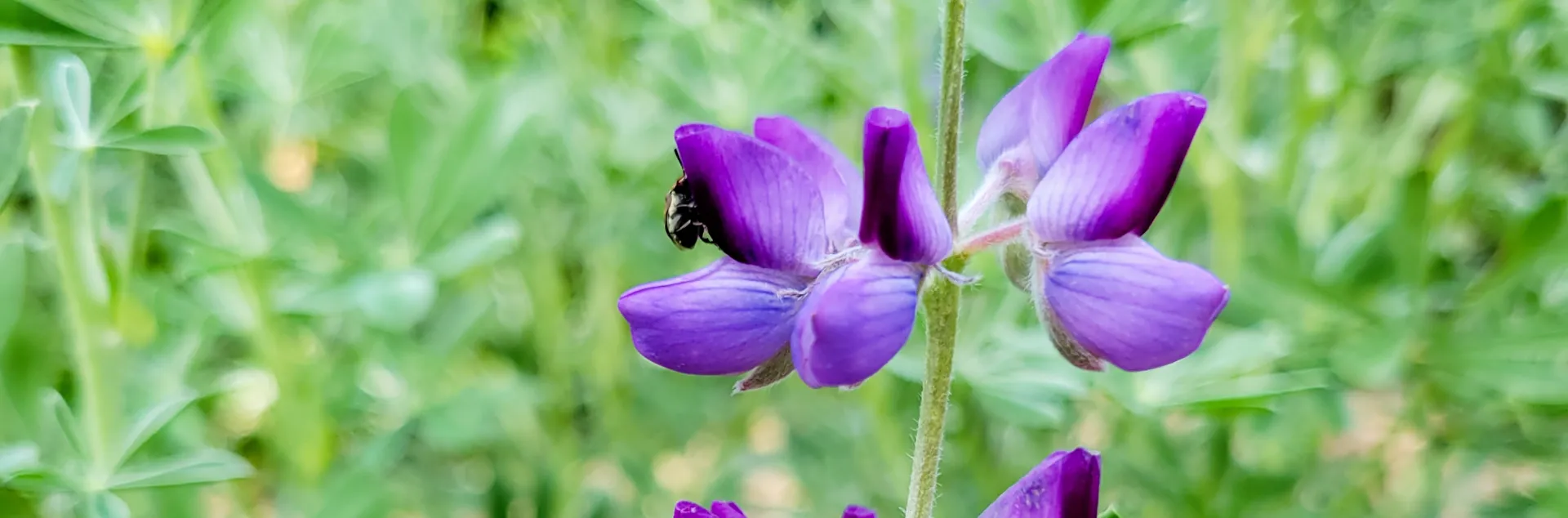
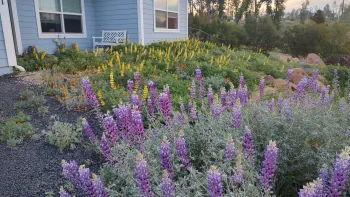
When you visit the website, all you need to do is type in your zip code and the plants native to your area will appear on screen. The plants are grouped into two sections: flowers/grasses and trees/shrubs. When you click on a particular plant a description pops up, telling you which species of that plant are native to your area. For example, when I typed in my zip code and then clicked on “lupine” I learned there 25 species of lupine native to Paradise. Each plant description also tells you which species of butterflies and moths use it as a caterpillar host plant. In the case of lupine, I found 74 species of butterflies and moths use lupine as a caterpillar host plant. According to Tallamy, it is important to know how many insects a native plant hosts because insects form the basis of the food chain. Caterpillars (the larval stage of butterflies and moths) are the main food source that many species of birds feed to their young.
Tallamy has written several booksthat detail the importance of native plants to the insect population, to birds, and to other local wildlife. These include Bringing Nature Home, Nature’s Best Hope, and, most recently, How Can I Help: Saving Nature with Your Yard.
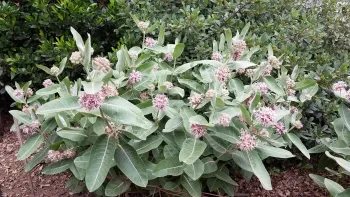
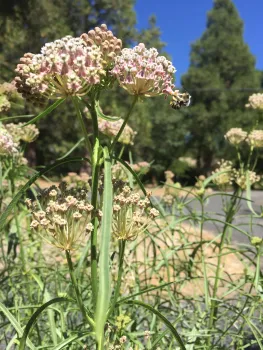
The Native Plant Finder website also allows you to search butterflies and moths. For example, when I clicked on “monarch” I learned that this butterfly uses only one plant as a host for caterpillars, and that plant is milkweed. However, the description listed four species of milkweed native to my area, and noted that a total of nine butterfly and moth species use these specific milkweeds as host plants for their caterpillars.
Once you have found a native plant that interests you, click “save” to add it to your list of plants and butterflies or moths you want to introduce to your garden. When you are ready to start purchasing some native plants, the website provides a list of native plant resources and even offers native plants for sale through Garden for Wildlife, a program of the National Wildlife Federation. Here in Butte County, we are fortunate to have some excellent native plant suppliers close by, including Floral Native Nursery north of Chico, and Harvests and Habitats in Chico. You can also purchase native plants at the annual Master Gardener Plant Sale held each spring.
The Native Plant Finder website is a work in progress; many plants have no photos uploaded yet. But it is definitely worth checking out if you want to quickly learn about plants native to your area and which ones will support the largest number of butterflies and moths -- ultimately bringing birds and other wildlife to your garden.
UC Master Gardeners of Butte County are part of the University of California Cooperative Extension (UCCE) system. To learn more about us and our upcoming events, and for help with gardening in our area visit the UC Master Gardener website. If you have a gardening question or problem, email the Hotline at mgbutte@ucanr.edu or leave a phone message on our Hotline at 530-552-5812. To speak to a Master Gardener about a gardening issue, or to drop by the MG office during Hotline hours, see the most current information on our Ask Us section of our website.