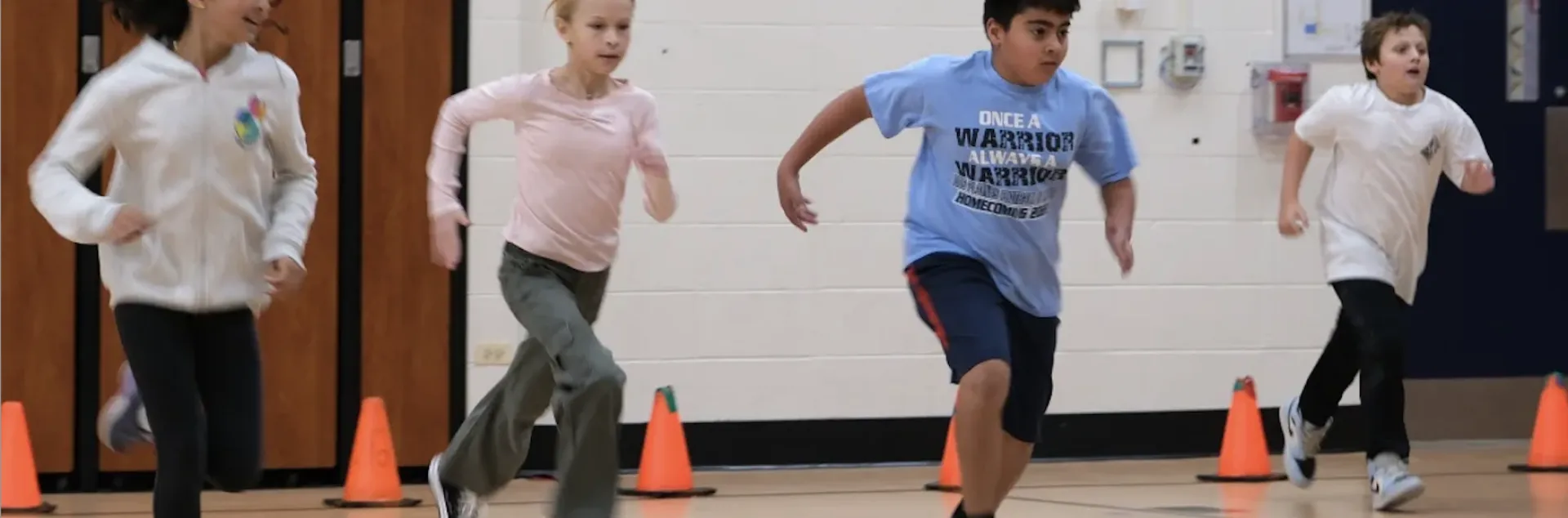
A recent commentary on school-based physical fitness testing presents it as a valuable tool for addressing the crisis in childhood physical inactivity and chronic diseases when integrated into well-supported physical education programs. Currently, fitness testing is required in 16 states, providing critical data for monitoring youth health and contributing to research linking physical fitness with academic performance and post-pandemic fitness trends. The commentary emphasizes that, with adequate resources, teacher training, and integration into comprehensive physical education, fitness testing promotes lifelong healthy behaviors while minimizing concerns about stigma. Further, the commentary emphasizes the role of health care providers in incorporating fitness testing results into electronic health records to support preventive care and encourage discussions about physical activity with families. It recommends improving data sharing, standardizing testing practices, and clearly communicating results to strengthen collaboration among schools, clinicians, families, and policymakers. This commentary, published in the Pediatric Research journal, was co-authored by Scott Bowman, Dan Cooper, Shlomit Radom-Aizik, Joni Ricks-Oddie, and Margaret Schneider with the University of California, Irvine; Dawn Woods with Boston Children’s Hospital; Allyson Reeds with the Orange County Department of Education; Hannah Thompson with the Nutrition Policy Institute; and Gregory Welk with Iowa State University.