
California’s Fifth Climate Change Assessment provides sweeping analysis of impacts on ag, water and wildfire
Scientists from UC Agriculture and Natural Resources conduct research in every county in California. That extensive body of knowledge is well represented in a recently published state-of-the-climate report, funded by the state Legislature.
California’s Fifth Climate Change Assessment offers a detailed appraisal of climate stressors weighing on regions across the state and prepares communities for what to expect in the future. The report is intended to inform climate resilience projects and guide local planning ahead of worsening climate impacts.
A number of experts affiliated with UC Agriculture and Natural Resources provided research and guidance for the report. Contributors include Mark Bolda, Edith de Guzman, Safeeq Khan, Prakash Kumar Jha, Max Moritz, Tapan Pathak, Erik Porse, Christina Richardson, Aaron Wilcher and Grace Woodmansee. Many other UC ANR experts contributed to the report.
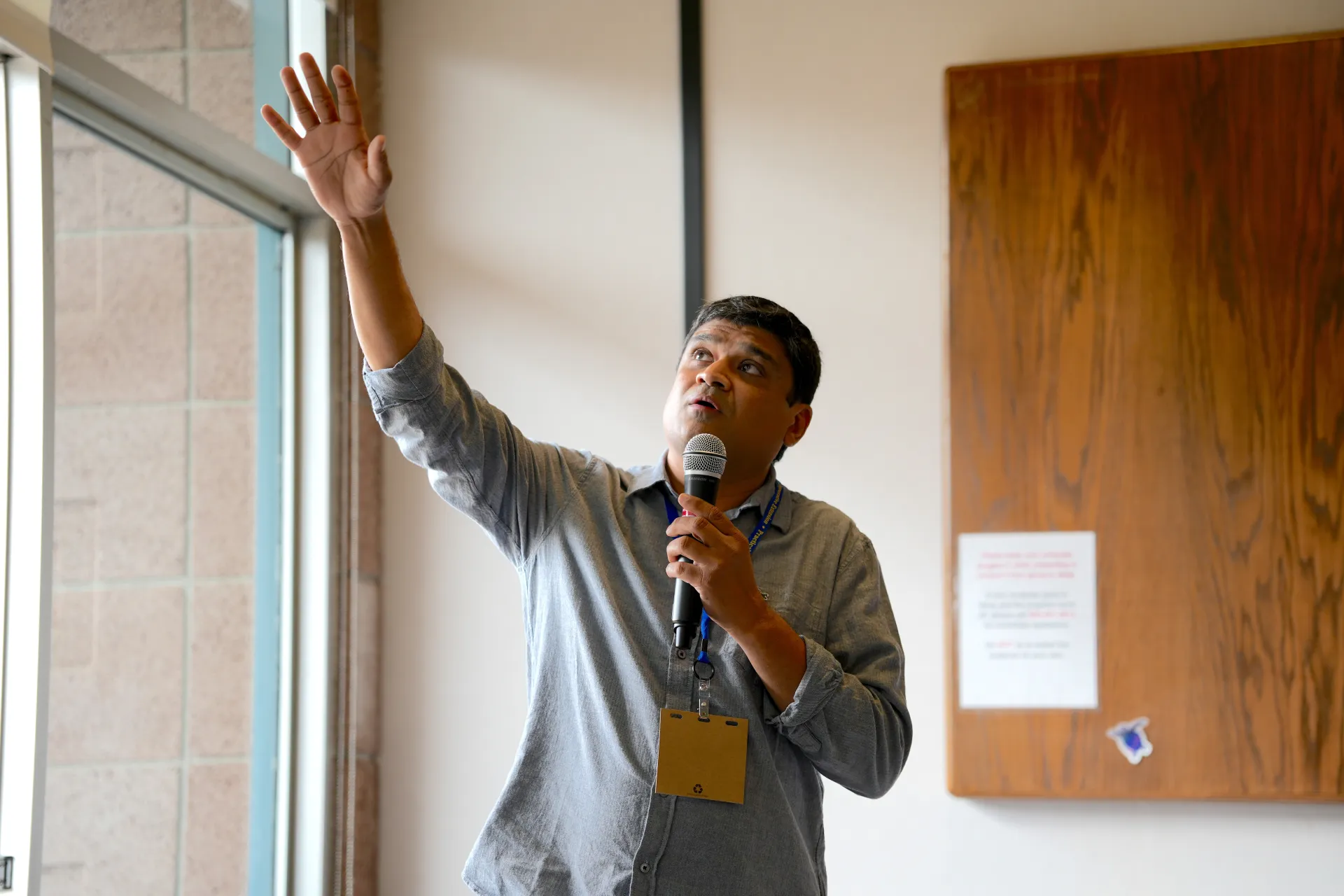
UC Merced Professor Safeeq Khan was coordinating lead author and UC Cooperative Extension specialist Tapan Pathak, based at UC Merced, was a lead co-author on one of the nine regionally based reports that comprise the statewide assessment. Their report focuses on the Sierra Nevada – a region deserving special attention for its natural resources.
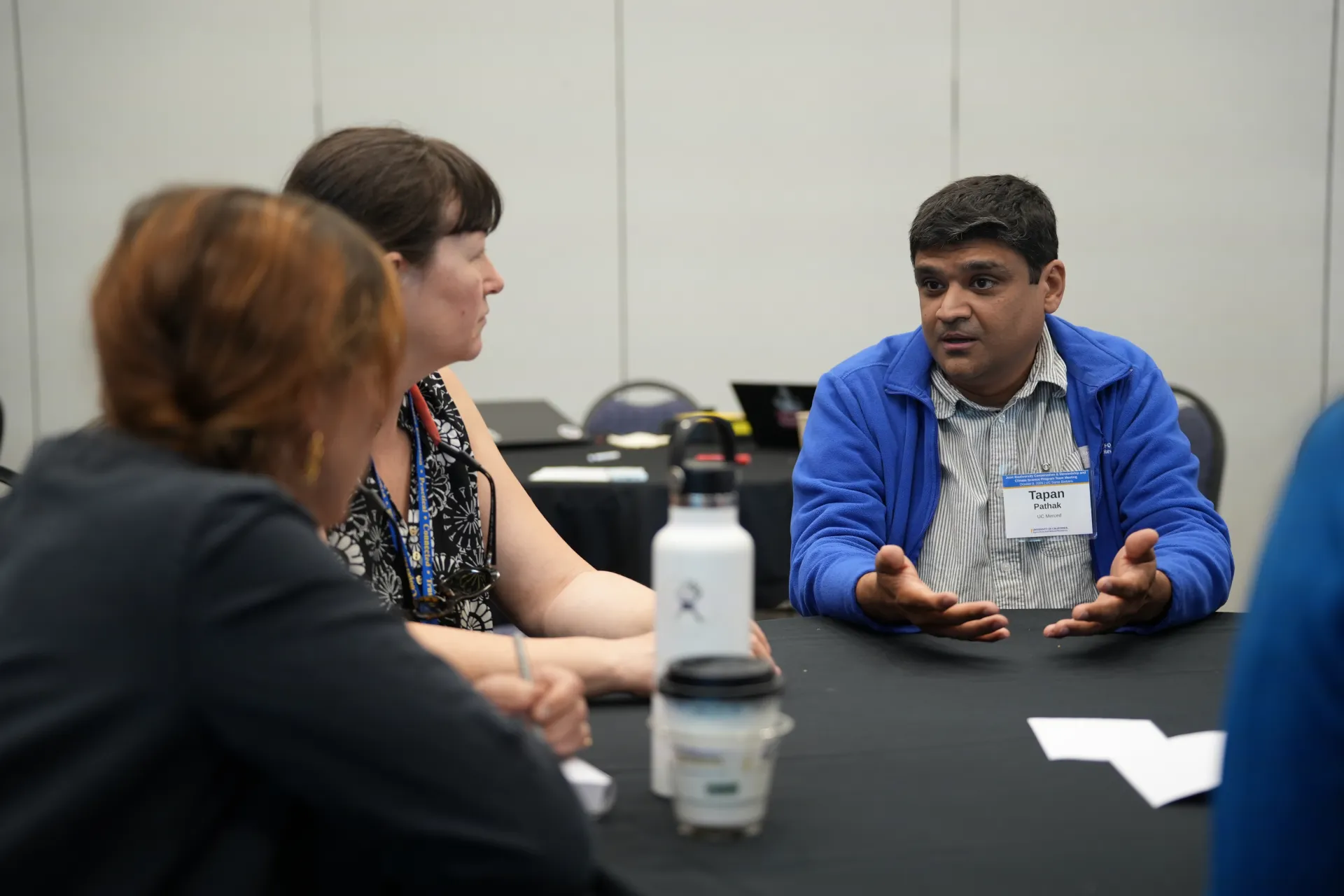
“The Sierra Nevada region is the critical water and ecological resource for the whole state,” said Pathak, emphasizing that changes to this region can ripple across California.
The report addresses several challenges in the Sierra Nevada region, but according to Khan, water scarcity is at the top of the list.
“The single biggest threat to our agriculture is the loss of our surface water supply, more specifically, our mountain snowpack,” said Khan.
In writing the report, Khan and Pathak were careful to address those sobering realities with candor, while offering examples of developing solutions. Khan hopes to see the report used as a guide for identifying high-risk areas for study.
“Climate reports often leave people feeling helpless and discouraged, but I want readers to go past the headlines and pay attention to all the adaptation and mitigation work happening throughout the state,” Khan said.
To provide more details on the regional report and insight into resiliency efforts, Pathak and Khan are hosting a Sierra Nevada and San Joaquin Valley Climate Summit on the climate change assessment. The event will be held on Nov. 30 between 9:30 a.m. and 3:45 p.m. at the Dr. Vikram and Priya Lakireddy Grand Ballroom on the UC Merced campus. Attendees can register online.
In addition to the Sierra Nevada report, several UC ANR scientists contributed to the Central Coast report, including Christina Richardson, a UC Cooperative Extension specialist in coastal hydrology based at UC Santa Cruz.
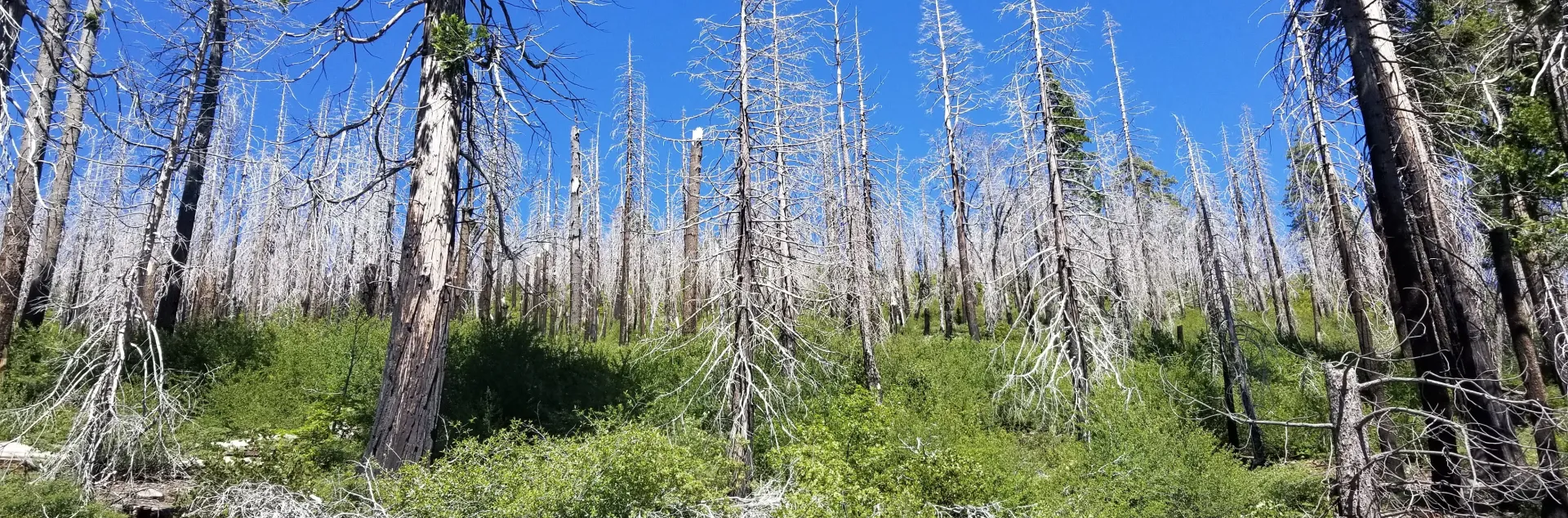
The report highlights her research on the relationship between wildfires and water quality, demonstrating the interconnectedness of climate stressors. Burned vegetation and debris can have literal downstream effects on other constrained resources, like drinking water supplies and coastal habitat.
“ We generally have a much better understanding of individual climate stressors than of how they interact cumulatively,” Richardson said. “The reality is that we live in a world where these impacts are co-occurring.”

This statewide assessment is valuable, Richardson said, because the publication puts climate stressors in conversation with one another, applying an interdisciplinary lens – a hallmark of UC ANR’s research. Her colleague, UC Cooperative Extension specialist Max Moritz, a fire regime scientist based at UC Santa Barbara, contributed to the same regional report.
Richardson is hopeful the assessment will help allocate research funding to examine emerging, interrelated climate threats.
“Wildfire impacts on water quality still remain extremely understudied,” Richardson said. “We need more data to inform adaptive management and, ultimately, resilience of our water resources.”
Richardson encourages Californians to review the regional report for their part of the state to better understand the climate stressors likely to play out in their lives.
“ This is written for anyone who has a say in how we manage our resources and plan for future resilience,” Richardson said. “That includes community members across California who could benefit from reading the report.”