
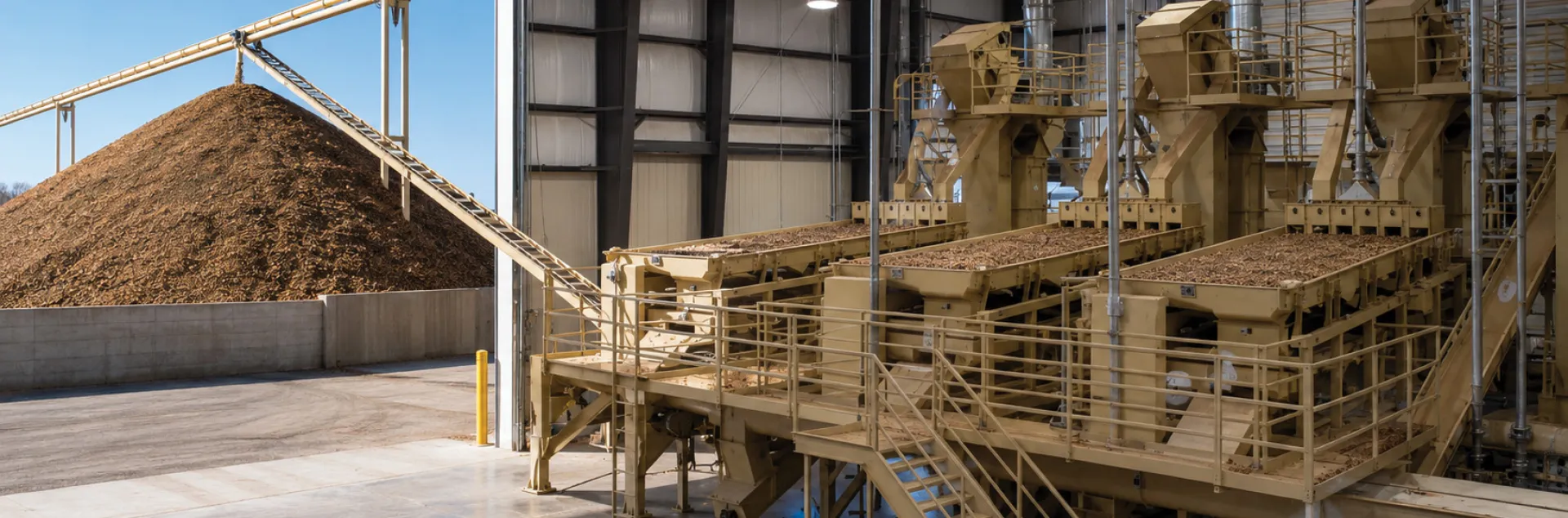
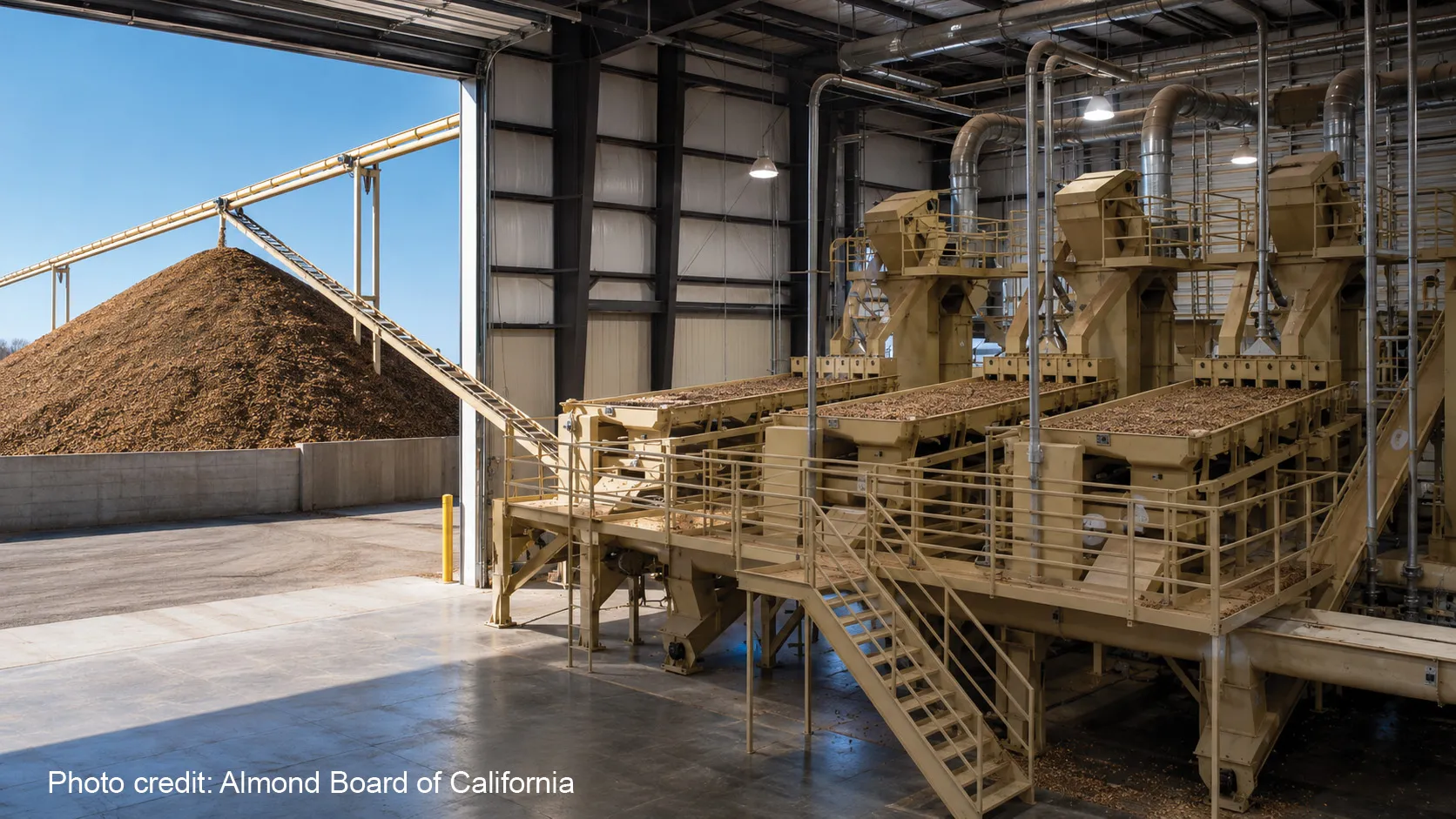
California explores how farm byproducts, forest materials and food waste can be repurposed
From drought and groundwater restrictions to labor shortages and changing markets, California farmers have consistently responded to major challenges through innovation. A new special issue of ARE Update explores whether California's emerging bioeconomy could represent the next step in that tradition by creating new value from the state's biological resources while strengthening rural economies and preparing the workforce for new industries.
The bioeconomy is not new, but it is evolving. Historically, California's biological resources have been used primarily to produce food, feed and fiber. Today, Californians are exploring how agricultural byproducts, forest materials and food waste can become feedstocks for renewable energy, new manufacturing industries and other higher-value products. For California, the question is no longer simply how to produce more, but how to create more value from the resources the state already has while helping agriculture adapt to changing environmental and economic conditions.
As UC Berkeley Distinguished Professor David Zilberman explains, "The bioeconomy represents a transformative pathway for addressing 21st-century challenges of climate change, environmental degradation and rural economic decline."
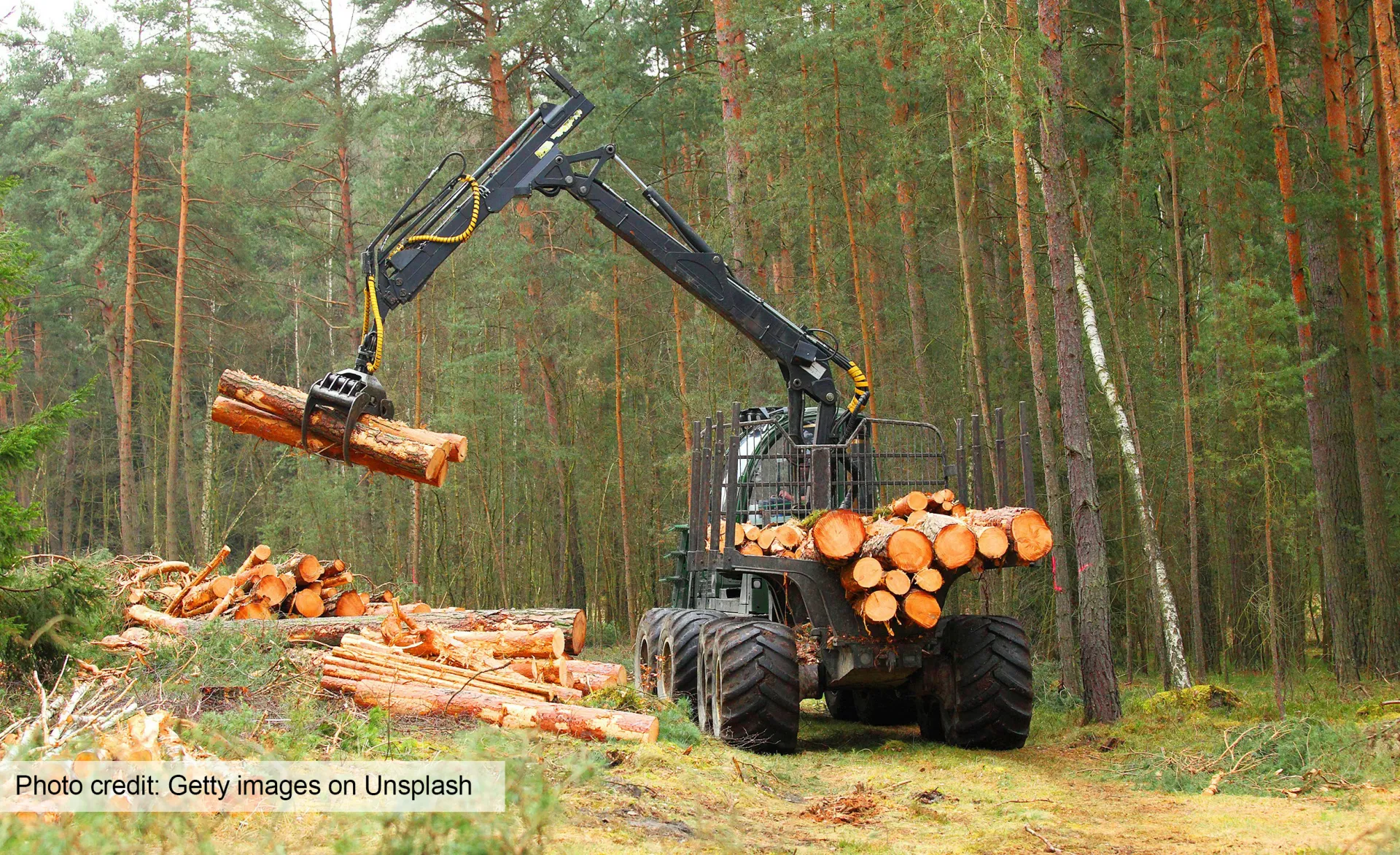
One of the biggest opportunities may lie in California's rural communities. UC Davis professor M. Anne Visser examines how groundwater regulation, labor shortages and climate pressures are reshaping the San Joaquin Valley. Visser notes that complying with the Sustainable Groundwater Management Act (SGMA) alone could lead to up to a million acres of fallowed farmland by 2040. But, rather than framing those changes only as losses, she explores how they could support new regional industries built around California's estimated 54 million metric tons of annual biomass resources – including approximately 10 million metric tons of agricultural byproducts. Successfully rising to these challenges, she argues, will depend on modernizing regulations, investing in regional processing infrastructure, and preparing a workforce capable of supporting new bio-based industries.
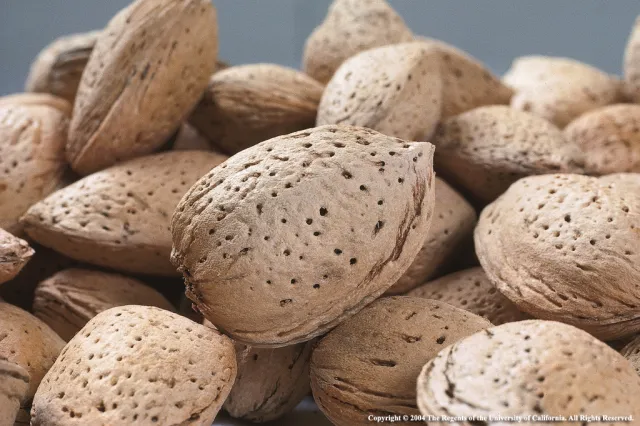
To show what the bioeconomy looks like in practice, Zilberman, researcher Sat Darshan S. Khalsa, and UC Davis Distinguished Professor Patrick H. Brown examine how California's almond industry is already creating value through agricultural circularity.
Almond hulls sold as livestock feed fetch roughly $76 to $106 per ton, or about $160 million to $230 million. The authors identify another opportunity: returning almond shells to orchards as a potassium amendment and mulch. Their analysis suggests that, where transportation costs are low enough and shell amendments are needed, the practice could generate an additional $21 million to $31 million in annual value while recycling nutrients, improving soil health and reducing waste.
Preparing California's workforce will be just as important as developing new technologies and markets. Using new workforce data, UC Berkeley assistant professor of Cooperative Extension Alexandra Hill found that bioeconomy-related job postings in California increased 14-fold between 2015 and 2025, with forestry emerging as the state's largest source of bioeconomy-related employment. Nearly half of these positions required no previous experience. Her research identifies the occupations and skills that are becoming increasingly important to California's bioeconomy, reinforcing the need for workforce training through community colleges, universities and industry partnerships as the sector continues to grow.
Together, these studies suggest that California's next wave of innovation may come not from replacing agriculture's traditional strengths, but from building on them. Developing markets for farm and natural resource byproducts, investing in regional infrastructure, expanding workforce training and strengthening partnerships among universities, UC Cooperative Extension, industry and policymakers could help California create new economic opportunities while improving resource use and supporting resilient rural communities.
To learn more about California's growing bioeconomy, read the Special Issue of ARE Update Vol. 29, No. 5, The Bioeconomy and Its Potential to Enhance California Agriculture, online at https://giannini.ucop.edu/filer/file/1782493834/21694/.
ARE Update is a bimonthly magazine published by the Giannini Foundation of Agricultural Economics to educate policymakers and agribusiness professionals about new research or analysis of important topics in agricultural and resource economics. Articles are written by Giannini Foundation members, including University of California faculty and Cooperative Extension specialists in agricultural and resource economics, and university graduate students. Learn more about the Giannini Foundation and its publications at https://giannini.ucop.edu.