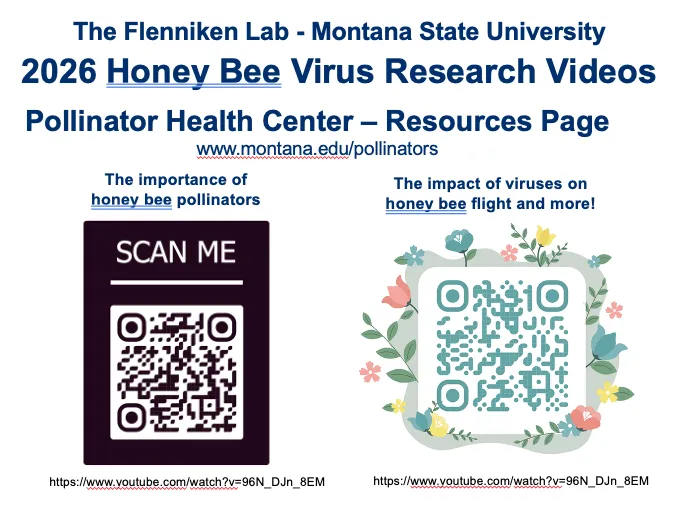
An International Conference on Pollinator Biology, Health and Policy
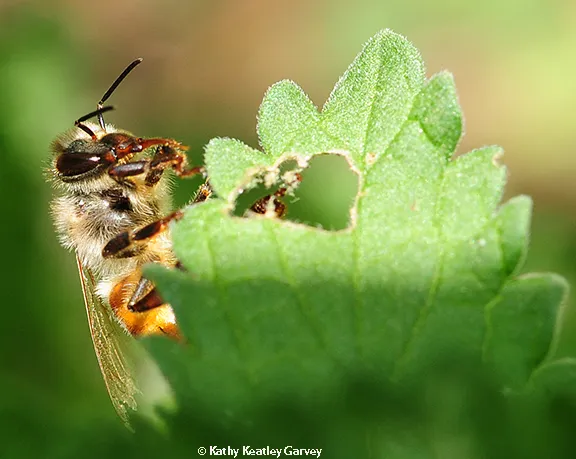
Interested in pollinator biology, health and policy? We all should "bee."
Professor Michelle Flenniken of Montana State University (MSU), is chairing an International Conference on Pollinator Biology, Health, and Policy 2026 that is set June 25-27 in the Strand Student Union Building, Bozeman.
Flenniken, who focuses her research on virology, genetics, host-pathogen interactions, honey bee pathogens, completed her postdoctoral research at the University of California. Back in 2010, when the UC Davis Department of Entomology and Nematology received initial funding from Häagen-Dazs for a pollinator garden (now known as the UC Davis Bee Haven), the ice cream company also announced a postdoctoral scholarship. Flenniken, then an insect virus researcher in Professor Raul Andino's lab, UC San Francisco Department of Microbiology and Immunology, won the competition and became the Häagen-Dazs Postdoctoral Fellow at UC Davis. She continued to work in both labs.
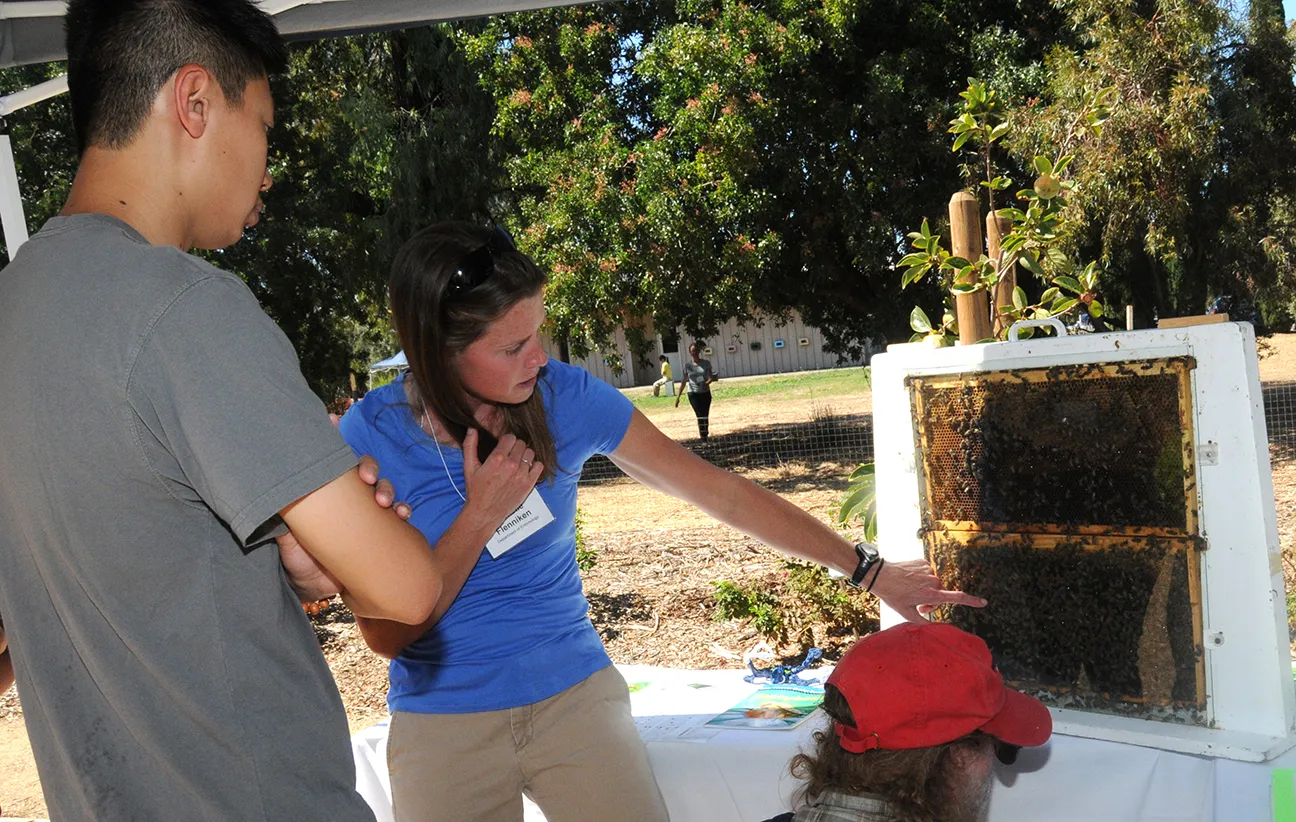
"We are gearing up for the 2026 International Pollinator Biology, Health, and Policy at MSU from June 25-27, 2026, which is during Pollinator Week," Flenniken noted in her group email.
The international conference will feature presentations and discussions on topics critical to insect pollinator health, which includes honey bees and native bees.
"Symposium subjects include the impacts of pathogens and pesticides on pollinators, pollinator nutrition, the effects of abiotic factors on pollinator health, and land management strategies and policies that benefit pollinators," according to the website. "Ongoing national and global initiatives in policy, education, and Extension will also be highlighted."
Keynote Speakers
Keynote speakers are Francesco Nazzi of Università di Udine, Italy; Scott McArt, Cornell University; and Rebecca “Becky” Irwin of North Carolina State University. Plenary speakers are Christina Grozinger of Penn State University and Andony Melathopoulos of Oregon State University.
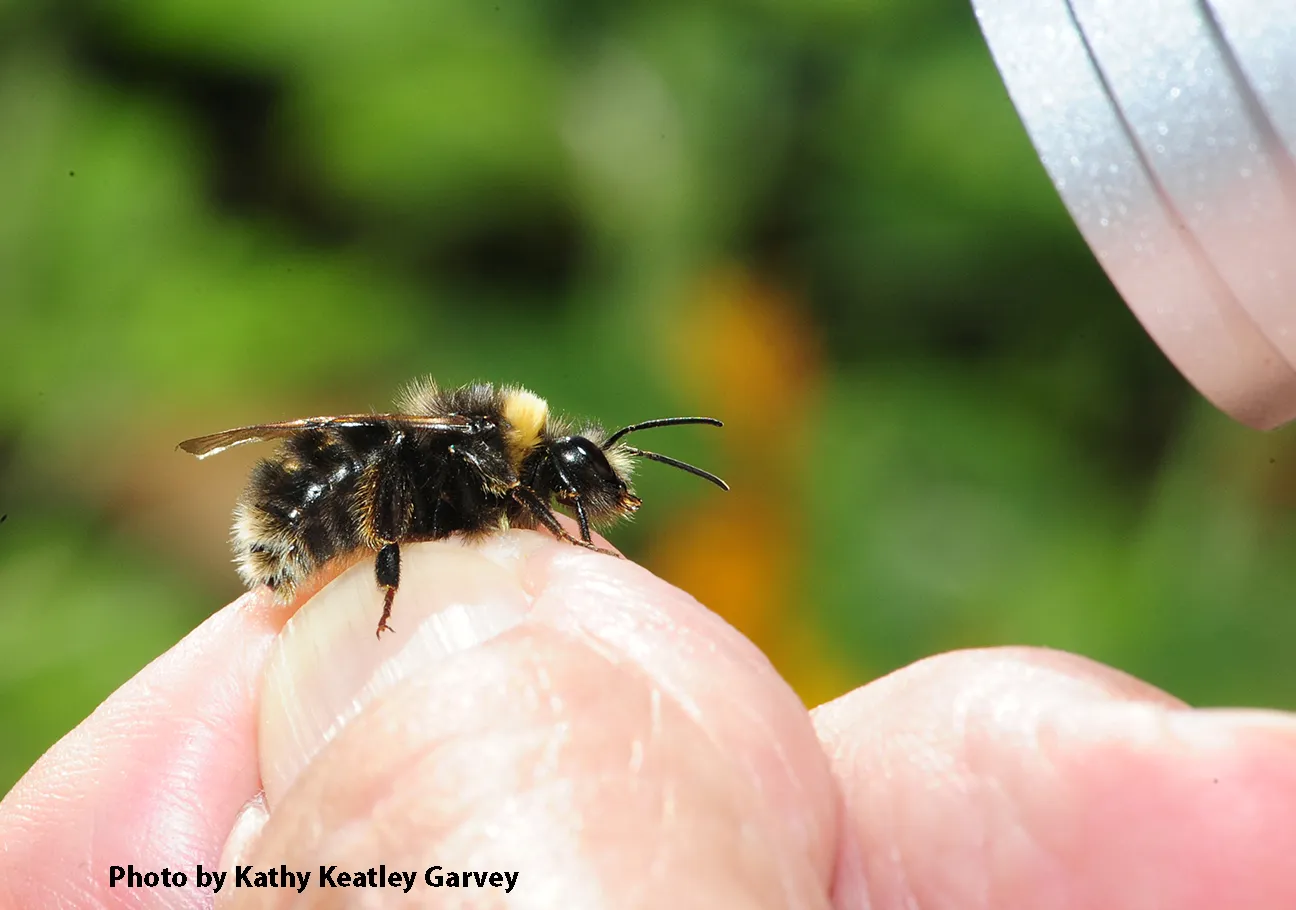
Among the many speakers on the program:
- Caroline Chessher of the University of Texas at Austin: "Wild Bumble Bee Lineage Survival in Response to Pathogen Infection and Medicinal Floral Resources"
- Nina Sokolov of UC Berkeley: "The pathogen Community of the Imperiled Western Bumble Bee (Bombus occidentalis) in the Sierra Nevada"
- Jordan Kueneman, Cornell University: "Scaling Ground-Nesting Bee Ecology and Conservation Through Community Science"
- Behnaz Balmaki, Texas Woman's University: "Revealing Long-Term Pollination Patterns through Pollen Archives of Natural History Museums"
- Zachary Huang, Michigan State University: "Reflex Hierarchy in Apis mellifera: Dorsal Orientation Overrides Altitude Control"
- Ian Collins, University of Georgia: "Preventing and Controlling Small Hive Beetles Using Chlorantraniliprole to Promote Supplementary Pollen and Protein Feeding as a Cornerstone of Improving Honey Bee Health in the Southeast"
- Anupreksha Jain, University of Wisconsin-Madison: "Bumble Bee Behavior Under Naturally Varying Temperatures and Diverse Pesticide Exposure Scenarios"
- Brandon Hopkins, Washington State University: "Micronutrient Needs and Long-Term Impact of Pollen Replacing Feed on Honeybee Colonies in Stressful Field Conditions:
- Michelle Toshack, Xerces Society for Invertebrate Conservation: "Building a Foundation for Bumble Bee Conservation: The Bumble Bee Atlas as a Community Science Framework for Broad-Scale Data Collection"
Research in Flenniken Lab
Research in Flenniken’s lab "focuses on how viruses and other stressors affect honey bee health." The team recently collaborated with filmmakers to produce two short videos highlighting their research, including how viral infections impact honey bee flight performance. See on YouTube: MSU Flenniken Lab: Impact of Viruses on Honey Bee Flight Performance and MSU Flenniken Lab: The Importance of Honey Bees as Pollinators and Research.