
Decluttering, Tidying, Planning = Refreshing Your Garden
Now that we are into the “quiet time” of our gardens, it might be just the right time to take a slow walk through our gardens to see what is working and what isn’t, and to dream of what would renew the magic of gardening.
A garden is everchanging, and is a work in progress.
Fall and winter can be a good time to consider what changes might make your garden easier to manage and refresh the plants in your garden. You can make plans to have what you always wanted in your garden: spring flowers, a Meyer lemon bush, more pollinator plants, a bird bath, a more inviting garden sitting area.
Declutter to Start the Process of Refreshing Your Garden
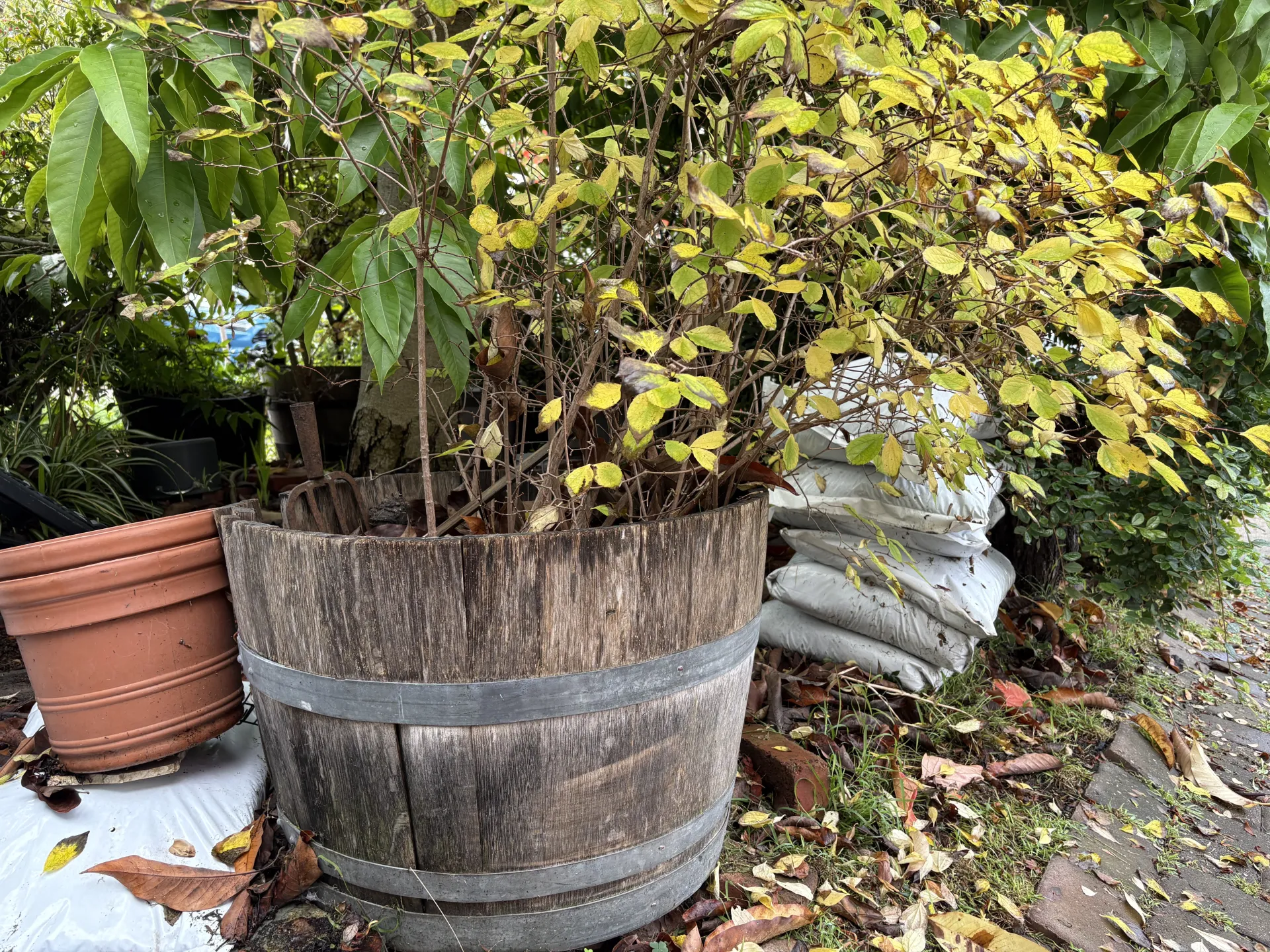
Clear the clutter in your garden: the pile of compost bags stacked where you unloaded them from the car, the hodgepodge of mismatched pots that you saved for transplanting, the clutter corner in the back that hosts all the neglected or volunteer plants you are not sure what to do with. Put away garden tools and hoses.
Be ruthless. Don’t just relocate the clutter. Moving those pots to be dealt with later isn’t really helping matters. Find a good location in your garden for your neglected plants and if you can’t think of one, give it away or compost it. The leftovers from past garden projects (gravel, wood, stones, edging) need to be used or disposed of, not stored. Decide what to do with half-finished projects, either choosing to finish them or put them out on the curb free to a new home.
Once the decluttering of garden materials is done, we are starting to see the bones of our garden again. It feels good. Now we can start on the actual plants in the garden.
Tidying up the Garden -- Removing the Old to Welcome the New
Tidying the garden is a way to really see what is going on plant by plant.
Start by weeding thoroughly. Weeds compete with your plants for nutrients and water. Remove dead vegetation, such as spent annuals.
Next, trim back overgrown perennials, shrubs and trees, especially undergrowth, especially in fall and winter; consider leaving some of the flowers and vegetables that have gone to seed as a source of food for wildlife including birds.
Pruning usually is recommended to be done in winter when trees are dormant, but there are exceptions to this timing.Natives are typically pruned in summer. Learn about the when and how of pruning. Take note of future maintenance chores – containers that need to be replaced and plants that need to be repotted, drip irrigation lines to be checked and repaired.
Dispose of garden debris carefully. Discard diseased matter into trash or commercial composting bins. Consider leaving some leaves in the fall to help the pollinators.
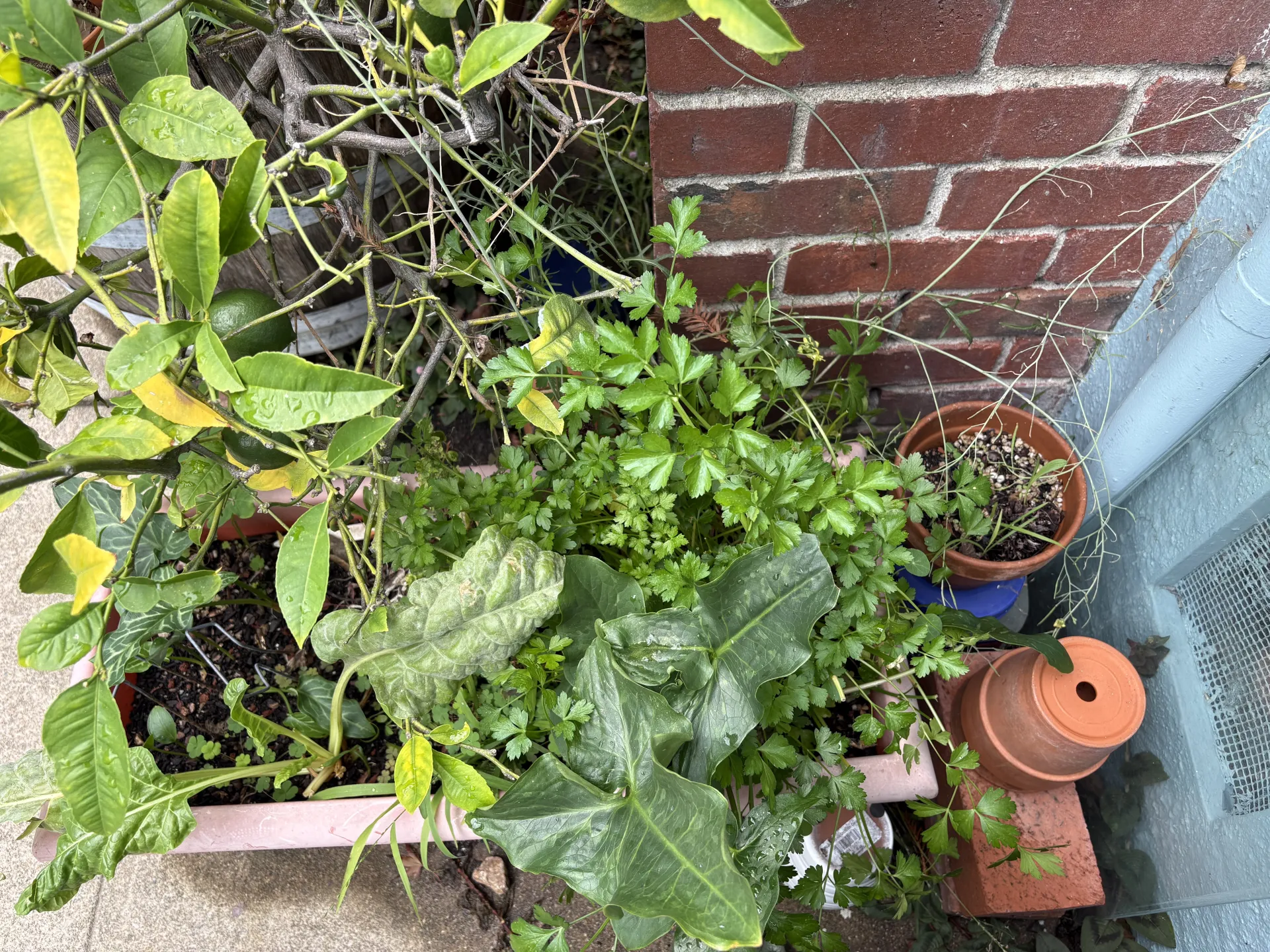
Evaluate Your Plants and their Environment as You Are Weeding and Cleaning.
- Just not the right plant. It isn’t what you thought it would be. It is time for a change
You liked it at one time but you want something different now.Perhaps some plants didn’t quite fit the area they were planted… too tall, too robust, too short, too whatever. Vines and trees may be too much maintenance. We might have different priorities now: easier maintenance, fewer plants near the building and fence because of firescaping.
Plants Struggling … Why? What to Do?
Maybe it is time to say goodbye to some plants that just aren’t thriving. Or perhaps there is a better location for them. Maybe you want something entirely different that is better suited for the sun or space available. As you work in the garden, you may notice things that help you figure out what to do to help your plants. Plants may be overcrowded and need thinning to allow the remaining ones to thrive.
Why didn’t some of the plants thrive – irregular or insufficient watering? Bad drainage? Too much shade, not clustered with plants with similar water needs, too much or too little sun. Examining the soil and observation over time may answer these questions.
Check for pests or diseases that may hinder new growth. Look for sooty mold or evidence of pests on the underside of leaves.
- Which ones are worth keeping and which should be removed.

Are some plants getting too woody, where pruning will not fix things? For example, lavender and junipers do not tolerate heavy pruning because of the lack of new growth on old wood; so if they are not pruned properly and regularly, they can become woody and unsightly with little new growth. Have some plants reached the end of their lifespan? For example, Meyer lemons have an average lifespan of 50 years; fruit trees usually have significantly shorter lifespan than landscape trees.
- Something seems funny
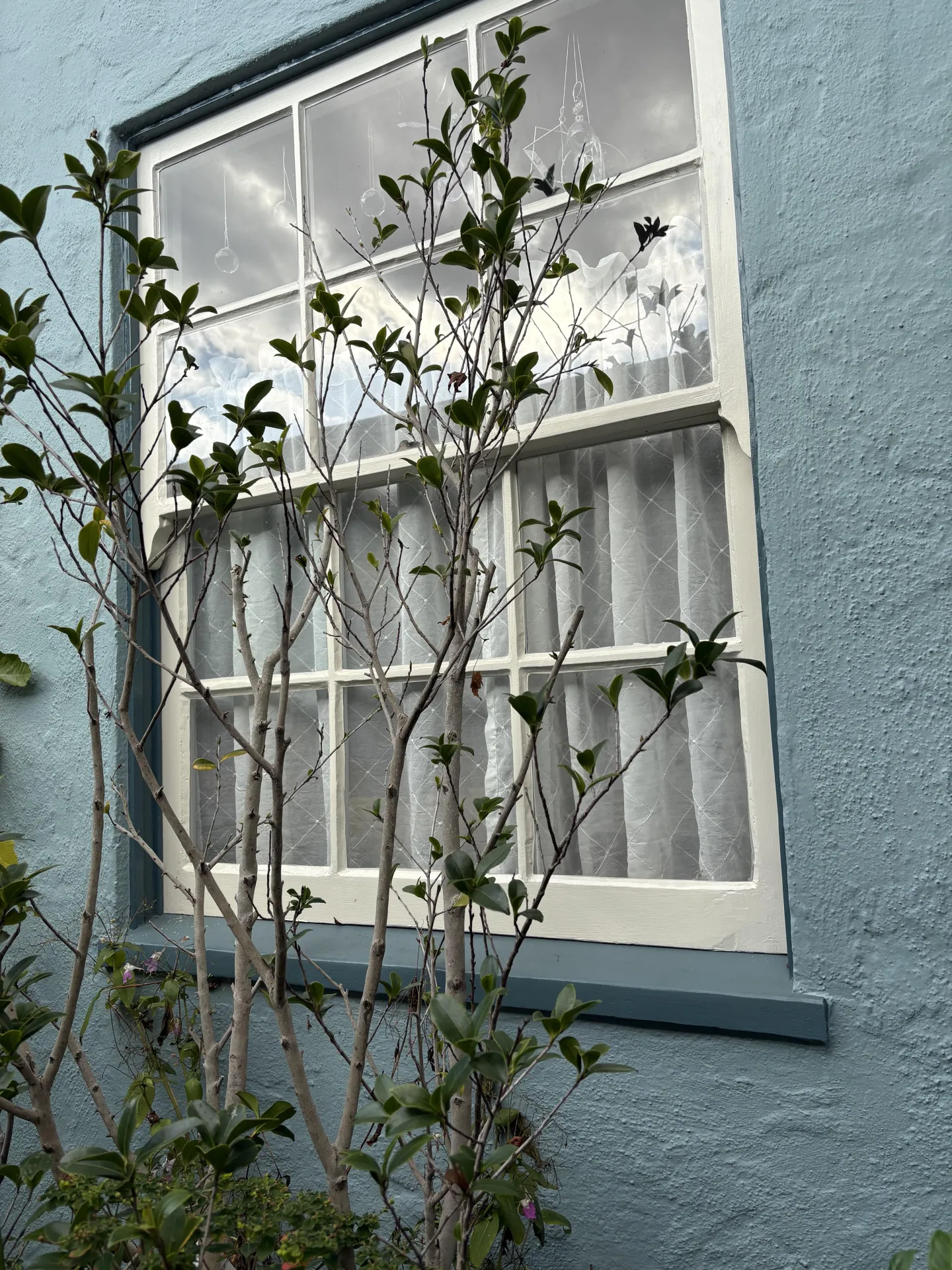
Is there something odd that needs further investigation? Often it is soil or water-related. Damage to the plant may not be easily seen at first glance. For instance, this camellia was repotted and it did not ever seem to recover and leaf out. Finally I checked the root ball and it was dry in spite of being watered regularly. The root ball had become hydrophobic, repelling water, meaning the water actually beads up and rolls over the soil, and it takes some concerted effort to get the soil to accept the water again.
- Neglected areas that are problematic
Examine why some areas are neglected. Perhaps there is a problem to be solved thoughtfully. For instance, it is difficult to figure out what to plant under fruit trees and deciduous trees so that it is easy to clean fallen fruit and/or leaves but fits our aesthetic taste. When we actively identify the problem with a neglected area, we can figure out a good work-around, which in this case, might mean using a combination of having a hardscape, like flagstone, and selecting plants that die back in fall. Maybe your neglected area is a little harder to water; making that area more accessible and convenient to water can result in a rejuvenated section of your garden.
Diagnosis of What’s Wrong - Plant Disease, Pests, Cultural Care
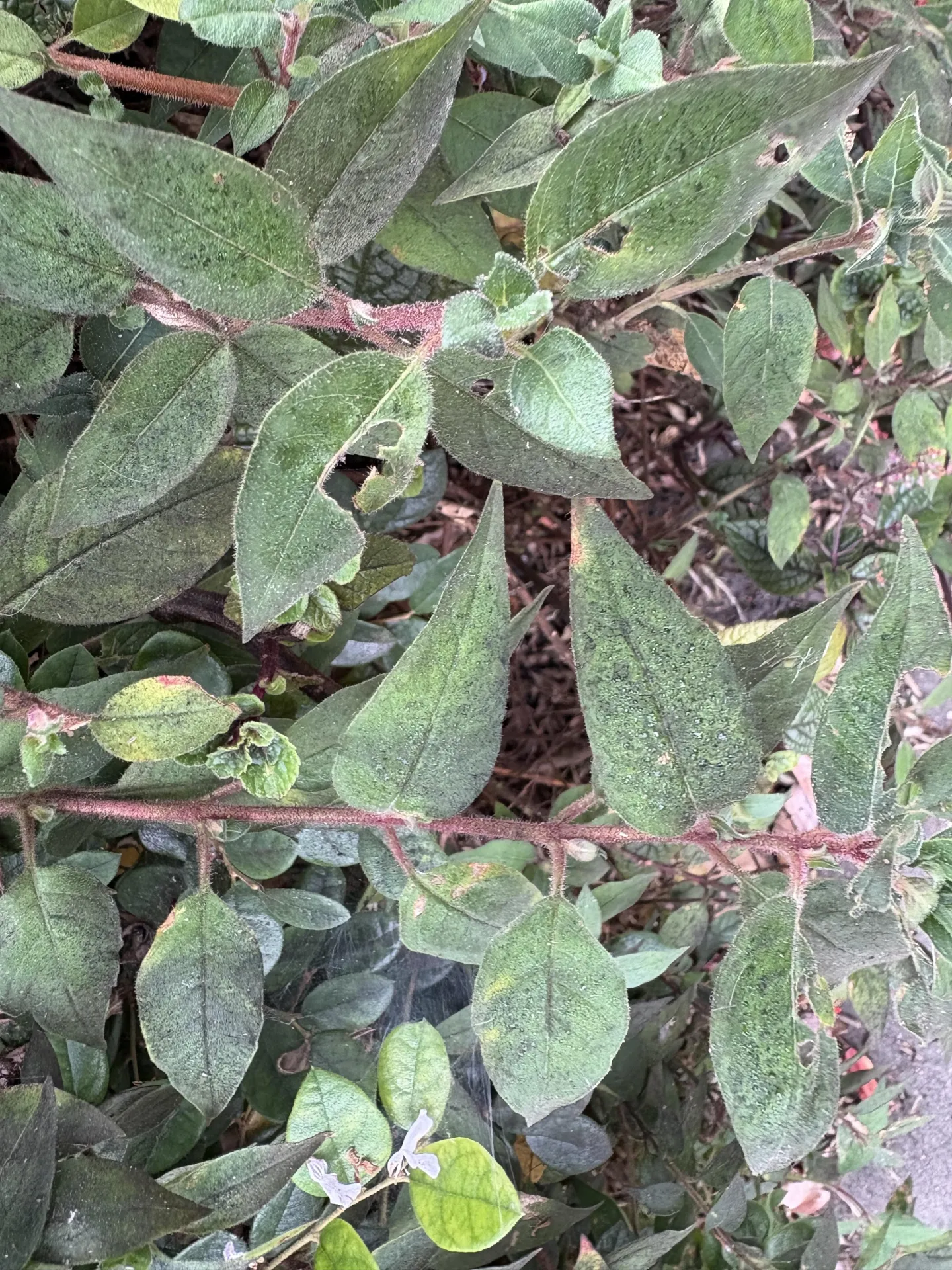
Once you have done your decluttering and weeding and cleaning, you will have a better idea of what is thriving in your garden and what is not. This can help you identify pests and diseases that may be causing problems. Cultural care includes the environment and growing conditions of a plant, which has an impact on the susceptibility of plants to pests and disease. The most common issue for plants is appropriate and consistent watering for the specific plants in the microclimate. You can get help diagnosing the problem with your plants by contacting the Help Desk of the Master Gardeners of Alameda County.
Refreshing the Garden - Divide and Conquer
Your garden has been decluttered and tidied up - time to move on to creating the garden you want. Be realistic about how much you can do. Divide your garden into sections. Make a list of your top one or two priorities for each of the sections. Pick one section or one overall change you want to focus on.
Maybe you don’t need to do much … just mulch, and pick some new plants. Be sure to consider matching the water needs of your new plants to the one of your existing plants, grouping like with like. Maybe you now have figured out what to add to that outdoor seating area to make it more inviting, or you have found that perfect spot for your birdbath. Whatever your project, take it one step at a time.
You might have decided to take a more expansive project to promote the health of your garden plants like installing or repairing a drip irrigation system, or working to improve soil health. If drip irrigation is your top priority, here is a link for information on drip irrigation for different landscape situations.
Planning and Selecting Plants for Your Garden Refresh
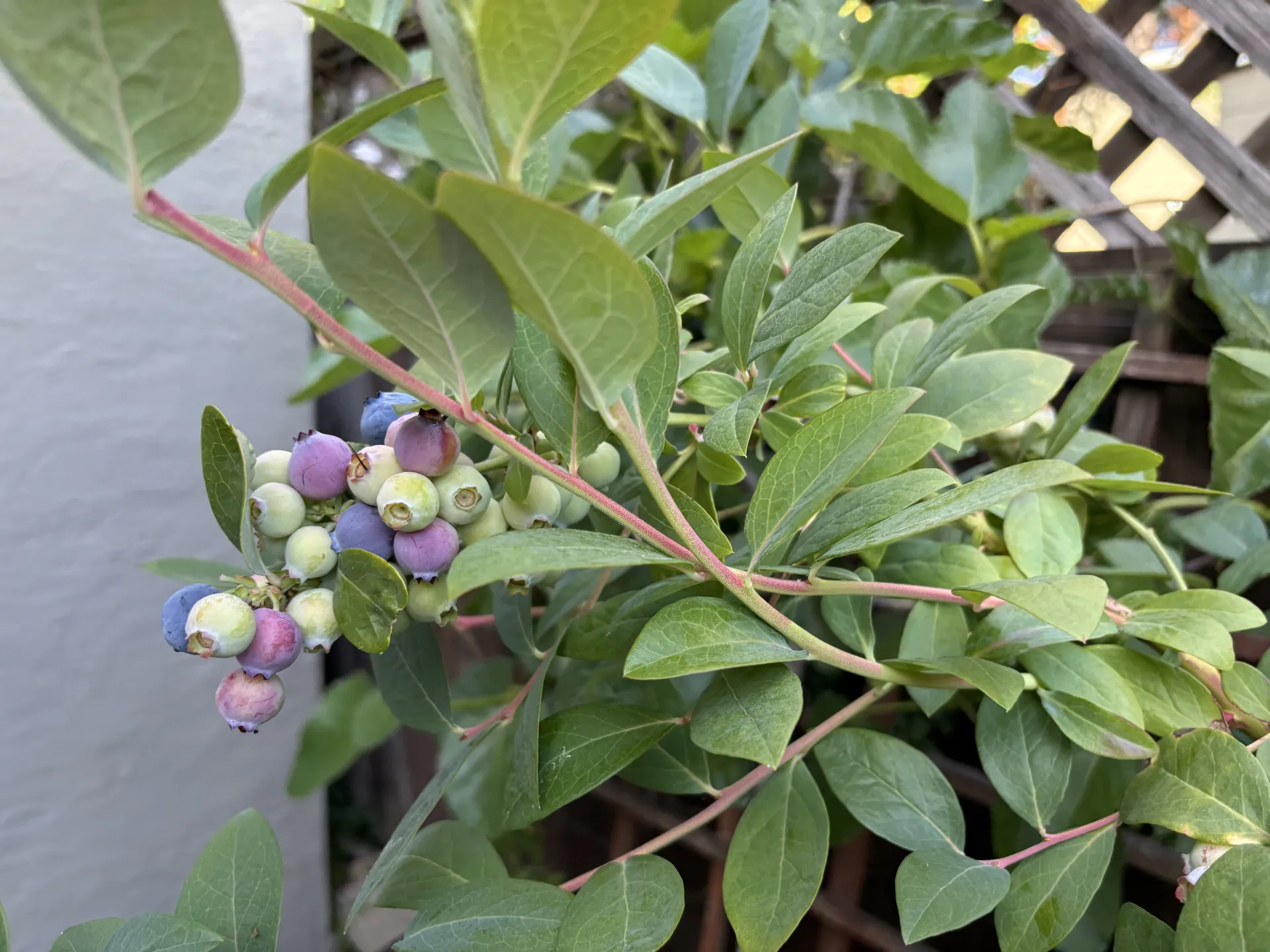
Know the plants you have, and cluster plants by water and light needs, making care simpler and improving your plant health. Next, think about how to select trees and shrubs for your garden. You might try out a mix of perennials and annuals to keep things interesting with seasonal changes. Check the label for final size as well as water, sun and care requirements.
Choosing native species might work out very well, with improved success since they are adapted for our local climates. Knowing more about California native plant communities can help you select the right plants for your garden. You might also consider adding in some herbs, vegetables or fruiting bushes or trees. Maybe you want more wildlife habitat for your garden and will choose plants accordingly. What will get you back in your garden frequently to walk your garden to observe and enjoy it?
Why not take a trip to a local nursery that has displays to get ideas for your garden? Or go to local botanic gardens or the Master Gardeners of Alameda County demonstration gardens to see plants full-size. The Master Gardeners of Alameda County have information on Outstanding Plants for Alameda County.
Here are some ideas from the UC Davis Arboretum, now introducing an updated plant database, the Arboretum All-Stars, plants that are more climate-ready, able to withstand increased heat, changing rainfall patterns, and other environmental challenges. The Arboretum has a wonerful resource: the Climate-Ready Gardening Toolkit that includes Gardening for Pollinators and Biodiversity (variety of all living things and their interactions). There is an updated Arboretum All-Stars list where each “All-Star” plant “must offer strong habitat value (providing food, shelter, or nesting for wildlife and pollinators) or require low to very low irrigation making them ideal for a future of more extreme weather”.
Create a “Garden Refresh” Timeline for Planting, Pruning and Other Projects, including Mulching.
You may have started your decluttering and weeding in late fall or early winter. Planting and pruning need to be scheduled for the most appropriate time. Spring and early autumn are ideal for many plants, depending on your location. Fall/winter are the seasons for planting for spring bulbsand natives. Check the best planting times for the plants you choose.
Pruning is usually done in winter in dry weather, when trees and plants like roses are dormant. Other projects might need consistent good weather to be completed. Here is a good resource on pruning fundamentals.
Mulch beds 3-4 inches deep to retain moisture and reduce weeds. Mulch helps to regulate soil temperature -- cooler in summer, warmer in winter. Here is information on the pros and cons of different mulches. The choice of mulches also impacts fire vulnerability. Be sure to pull mulch away from the bases of tree and shrub trunks.
Here is a to-do list from Garden Checklist for Fall Winter in San Francisco Area
Be Patient and Celebrate Every Small Success in Your Garden Refresh.
Your garden is everchanging and always a work in process.Refreshing a tired or neglected garden doesn't have to be overwhelming. Declutter and tidy as a start. Divide and conquer. By carefully choosing your starting point, clearing the way, and adopting smarter planting and care strategies, you're well on your way to cultivating a garden refresh.
Resources and References
Arboretum All-Stars plant database from UC Davis Arboretum and Public Garden
Climate-Ready Gardening Toolkit UC Davis Arboretum and Public Garden
Creating Wildlife Habitats Around Our Gardens, Decks and Balconies | Over the Fence (Alameda County)
Drip Irrigation Basics | UC Master Gardener Program of Sonoma County
Drip irrigation in different landscape situations | UC Master Gardener Program of Sonoma County
Fall & Winter Gardening Checklist for the San Francisco Bay Area| Over the Fence (Alameda County)
Fall Garden Opportunities: Planting Bulbs for Spring Blooms | Over the Fence (Alameda County)
Fire Safety and Firescaping for Gardeners | Over the Fence (Alameda County)
Future Favorites - Climate-Ready Plants | UC Davis Arboretum and Public Garden
Growing Citrus In The Sierra Nevada Foothills Cindy Fake, Horticulture & Small Farms Advisor, Nevada & Placer Counties (PDF)
Healthy Soils for a Healthy California
How to start a culinary herb garden | Over the Fence (Alameda County)
Identify and manage pests in homes, gardens, landscapes and lawns - UC Statewide IPM Program
LEAF Network Linking Edible Arizona Forests - Tree Life Spans Lifespans of edible trees
Mulches for Landscapes, UC ANR Publication 8672 pros and cons for different mulches
Ornamental Tree Selection & Guide UC Master Gardeners of Tulare & Kings Counties (pdf)
Pruning Fruit and Shade Trees and Shrubs from UC IPM
Pruning Fundamentals | UC Marin Master Gardeners
What is that Black Stuff on my Plant Leaves? | Over the Fence (Alameda County) Sooty Mold
Extra Resources for New Gardeners
- Getting the Dirt on Soil Testing | Over the Fence (Alameda County) includes list of soil testing labs
- Soil testing kits (pdf)
- Home Garden Fertilizing Part 1 and Home Garden Fertilizing Part 2
- Understanding Plant Labels: A Gardener's Guide | Over the Fence (Alameda County)
Online Plant Databases to Match Plant Choices to Your Zone
- Arboretum All-Stars plant database from UC Davis Arboretum and Public Garden
- CalScape -- Search California Native Plants by plant name, characteristic, or location (CalScape)
- CalScape -- Bay Area: Use this regional garden planner!
- Future Favorites - Climate-Ready Plants | UC Davis Arboretum and Public Garden
- Outstanding Plants for Alameda County.
- PLANTS | UC Marin Master Gardeners
Want to Learn More?
This blog post is brought to you by the Help Desk of the UC Master Gardeners of Alameda County. Subscribe to our blog!
Have a Gardening Question? We'll Help.
Visit our Help Desk page to submit your question and see additional ways you can reach us.