
Cool weather signals the approach of tick season in Fresno County
In Central California, adult ticks are most active from late November until late April or early May. While the risk of tick bites is lower during the summer months, the tiny arachnids are active all year round in California, according to the California Department of Public Health.
Preventing exposure to ticks is the best way to reduce the risk of getting Lyme disease.
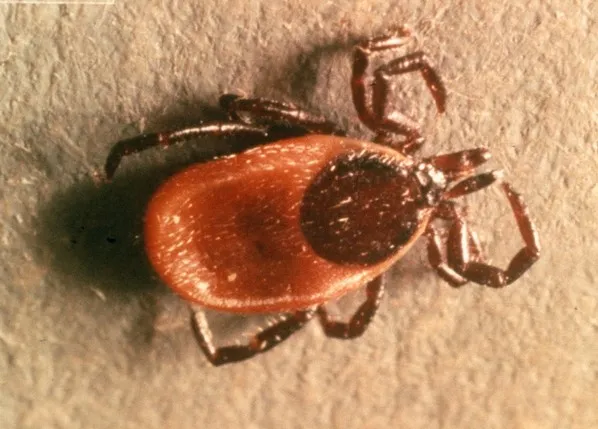
Ticks are found outdoors in brushy, wooded areas on plants, rocks, logs and in leaves and twigs on the ground. Beginning in fall, adult western blacklegged ticks emerge in California. These ticks lurk on bushes, shrubs and the tips of tall grasses waiting for a person or animal to brush against them so they can attach and feed on their blood.
Blood-sucking ticks can spread bacteria and other germs when they bite, causing diseases in people and pets. Reduce the risk of tick bites by keeping the pest away from and out of your home.
Tick-safe landscaping
Landscaping and maintaining your yard can help make your backyard less desirable for ticks. Western blacklegged ticks prefer to live in shady, humid, overgrown areas, especially in tall grass and overgrown vegetation. These ticks are usually not found in open, sunny areas such as on mowed lawns. To create a tick-safe yard:
- Keep your lawn mowed and decorative plants trimmed and well maintained.
- Remove leaf and grass litter from your yard.
- Create a tick barrier at the edge of your property by putting down a 3-foot gravel or wood chip border between your lawn and any unmaintained or overgrown natural areas that you may live next to (such as chaparral or woodland areas).
- Move yard furniture and swing sets away from the edges of the yard to more open and sunny areas.
Protect your pets
Ticks are efficient hitchhikers — they can easily grab onto a pet or other animal walking through tall grass or overgrown areas. Pets can then bring ticks into your yard or home.
- Talk to your veterinarian about tick control medication for your pets. Some products can be applied directly, and others can be given orally.
- Check your pets daily for ticks, especially after they have been outdoors in overgrown and brushy areas. If you find a tick on your pet, remove it right away. Learn more about preventing ticks on pets.
Keep wild animals out
In nature, ticks feed on wild animals such as rodents and deer. Help keep ticks away from your home by keeping wild animals out of your yard and away from outdoor areas where people spend time.
- Install 8-foot fences to keep out larger animals, such as deer.
- Keep trash cans closed and away from your home to avoid attracting rodents and other animals.
- Keep clutter away from your home to reduce areas where animals such as rodents might live.
This article was first printed in the UC IPM Home and Garden Pest Newsletter.