
Bats in the Garden are Nature’s Night Shift
When I think of Halloween and the familiar decorations that pop up in neighborhoods, one creature always comes to mind, the bat. From eerie silhouettes hanging in windows to plastic models dangling from porches, bats are synonymous with spookiness. But why? Perhaps it’s their connection to vampire folklore—like Dracula, or the real-life vampire bat, known for its blood-feeding habits. Thankfully, vampire bats aren’t found in the U.S., and Dracula lives only in fiction. Still, like many people, I’ve always found bats a little unnerving.
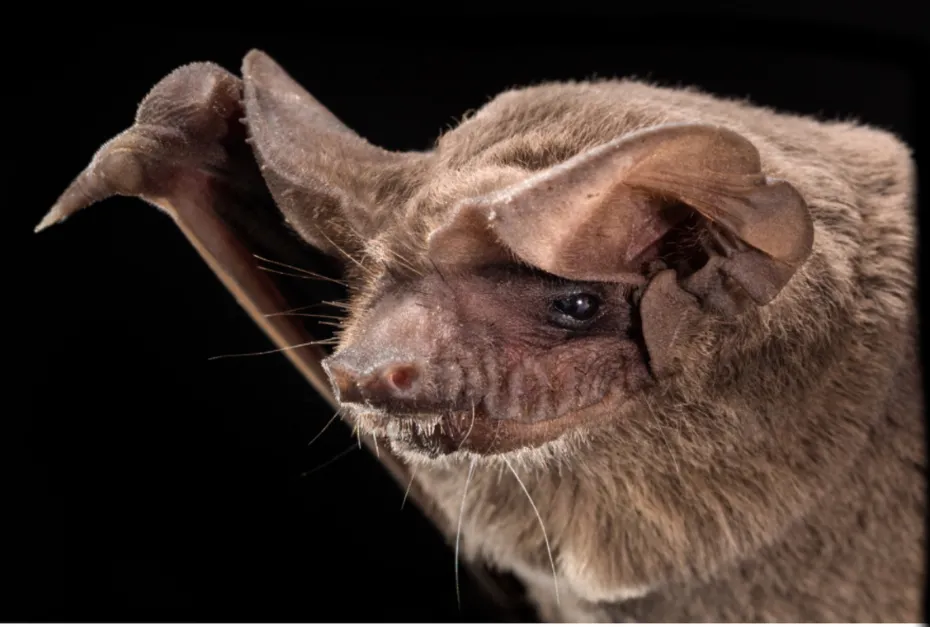
What we do have here in California are a wide variety of native bats that play an essential role in controlling pests, pollinating plants, and keeping our ecosystem in balance. The more you know about these remarkable animals, the more you’ll welcome them into your garden—not just in the fall, but year-round.
Bats: Nature’s Winged Mammals
Bats belong to the order Chiroptera, which means “hand-winged,” referencing their remarkable anatomy. Unlike birds, a bat's wings are actually elongated fingers covered by a thin membrane, allowing for precise, agile flight. In fact, bats are the only mammals capable of true, sustained flight.
California is home to 25 species of bats, and approximately 15 can be found in the San Joaquin County alone. These include a mix of common and less frequently observed species that are adapted to the valley’s diverse habitats, including agricultural lands, riparian zones, grasslands, and urban areas. Depending on the species, bats can live from five to thirty years.
Bats reproduce slowly. Most females give birth to only one pup per year and form nursery colonies in the spring to raise their young. These tight-knit groups are often tucked away in hollow trees, barns, attics, or even behind loose sidings of structures.
Unfortunately, bat populations across the U.S. are declining due to threats like habitat loss, pesticide use, and a devastating fungal disease called white-nose syndrome. This disease affects hibernating bats and has wiped out millions nationwide. Even here in California, bat conservation is becoming a growing priority.
Personal Encounters: Lessons in Bat Awareness
Family members have had a couple of memorable run-ins with bats that have helped shape my understanding and appreciation for them. One of those involved my niece, who was bitten by a bat after entering an outbuilding. Although only a small percentage of bats carry rabies, it’s a serious enough risk that she had to undergo a series of post-exposure treatments. Rabies is transmitted through saliva, usually via a bite, and once symptoms appear, it’s almost always fatal. Thankfully, she recovered fully—but the incident reminded us all of how important it is to never handle wild bats with bare hands, and to keep pets vaccinated.
Another encounter happened much closer to home—literally. Our son discovered a colony of bats that had taken up residence in the attic of his house. He started hearing soft fluttering sounds and scratching above the ceiling at night, and soon noticed guano (bat droppings) near a small vent.
Bats in the attic can become a health concern. Guano can accumulate over time, attracting insects and producing ammonia-rich odors. While bats are not aggressive and don’t chew on wood or wires like rodents, their droppings can harbor Histoplasma capsulatum, a fungus that can cause respiratory illness in humans.
If you should find bats have invaded your home, the mitigation steps include:
- Professional inspection: Hire a licensed wildlife control expert to confirmed the presence of a maternity colony of bats.
- Timing is key: Because it’s illegal in California and unethical to exclude bats during maternity season (typically spring to late summer), wait until the pups are old enough to fly.
- One-way exclusion: The professional installs one-way exclusion devices over the entry points. These allow bats to exit but not re-enter.
- Sealing entry points: Once the bats are out, all potential entry holes—vents, gaps under eaves, and cracks—are permanently sealed with mesh and caulking.
- Guano cleanup: After the exclusion, clean and disinfect the attic with proper safety gear.
To avoid a bat infestation:
- Inspect your home for small openings around vents, chimneys, and rooflines.
- Install fine mesh screens on attic vents and chimneys.
- Avoid bright outdoor lights that attract insects—this reduces bat activity near your house.
- Never try to trap or poison bats—it’s inhumane, it is illegal in California, and ineffective.
While it’s true that bats can carry diseases and create unsanitary conditions where they roost, most bats go about their lives without causing harm to humans. They are shy, nocturnal creatures that play a crucial role in maintaining balance in our ecosystems, particularly in our gardens and farms.
Beneficial Predators in the Garden
One of the most important services bats provide is insect control. Many bat species feed exclusively on insects—especially moths, beetles, flies, and mosquitoes. A single little brown bat can eat up to 1,000 mosquitoes in an hour. Imagine what a small colony can do for a backyard garden or a farm field!
Bats help control the populations of destructive agricultural pests such as corn earworm moths, cucumber beetles, and armyworms. These pests damage crops, flowers, and vegetables, and if left unchecked, they can devastate entire harvests. By consuming such insects nightly, bats reduce the need for chemical pesticides, saving money and reducing environmental impact.
Gardeners who encourage bats often see fewer pest problems and report more robust, healthier plants as a result.
Pollinators of the Night
While most North American bats are insectivores, some species, especially those found in the Southwest and tropics, are pollinators. Like bees and butterflies, these nectar-feeding bats visit night-blooming flowers, transferring pollen as they feed. In fact, some plants rely exclusively on bats for pollination. Examples include agave (the plant used to make tequila) and saguaro cacti. Though these species may not be typical in northern gardens, the principle is important: bats are pollinators too.
Additionally, fruit-eating bats in other regions help with seed dispersal, encouraging healthy forest growth and regeneration. These activities helps prevent erosion and maintain biodiversity, indirectly benefiting gardeners and farmers around the globe.
Guano: A Natural Fertilizer
While bat droppings can pose a health hazard in enclosed spaces if left uncleaned, bat guano is also one of the most nutrient-rich natural fertilizers available. Rich in nitrogen, phosphorus, and potassium—essential elements for plant growth—guano has been used in agriculture for centuries.
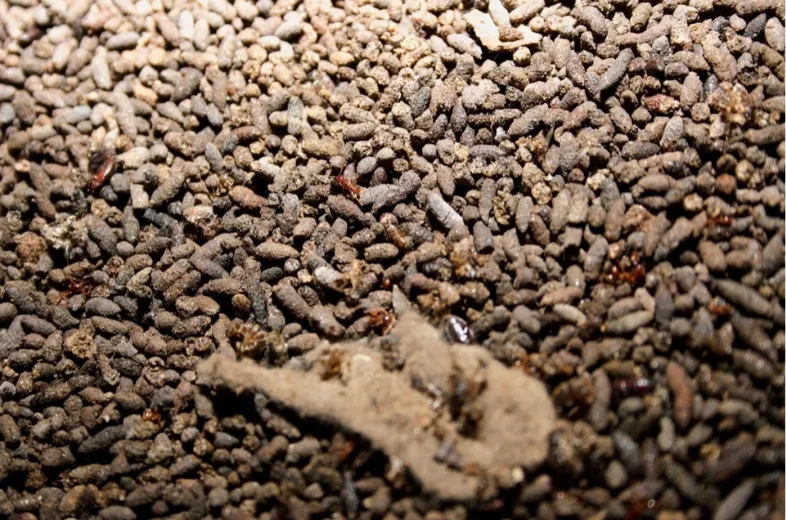
In the garden, composted bat guano can improve soil texture, stimulate plant growth, and increase yields. It’s often available commercially in garden centers, and when used properly, it’s a potent organic amendment.
Inviting Bats Into the Garden
One way gardeners can benefit from bats is by providing them with suitable habitat. Bat houses—wooden boxes mounted on poles or buildings—mimic the tight, dark crevices bats seek out in the wild. When placed 12 to 20 feet high in a sunny location near a water source, these houses can attract colonies of insect-eating bats.
Installing a bat house can be especially helpful in mosquito-prone areas, or near vegetable gardens suffering from nighttime pests. Some tips for a successful bat house:
- Use rough interior surfaces to help bats climb and hang.
- Place at least 10 feet above ground, preferably 15 to 20.
- Mount on a building or pole, not a tree (trees provide too much shade and predators).
- Ensure good sun exposure—6-plus hours of sunlight is ideal.
- Avoid disturbing the bats once they move in.
Adding night-blooming plants like evening primrose, moonflower, and nicotiana can also help by attracting nocturnal insects, providing a food source for bats.
What to Do If You Find a Bat
If you find a bat on the ground or clinging to an exposed surface, it may simply be resting. Not all grounded bats are sick or injured. If it’s in a location where pets or children may find it, use thick gloves to gently scoop it into a ventilated box. Place the box in a quiet, shaded area out of reach. Never touch a bat with your bare hands.
If the bat has been in contact with a person or pet, contact your local county health department or animal control immediately for guidance. Testing may be necessary.
Challenges Bats Face
Despite their value, bats face multiple threats:
- Habitat loss due to development.
- Pesticides that reduce their insect food sources or poison them indirectly.
- Wind turbines, which can injure or kill bats in flight.
- Disturbance of hibernation sites in caves and old buildings.
- White-nose syndrome, which has decimated bat populations in North America.

Supporting local conservation efforts, providing roosting habitat, and educating others about the benefits of bats are keyways we can help ensure these amazing mammals remain part of our gardens and ecosystems.
Embracing the Night Garden
It’s easy to see how bats have earned their spooky reputation. They fly silently through the night, hang upside down, and are often associated with horror films and Halloween. But beneath that shadowy exterior is a creature worth celebrating. Bats are gentle, helpful, and a critical part of healthy ecosystems.
As gardeners, we work in partnership with nature. Embracing bats as allies—welcoming them into our landscapes, protecting their habitats, and respecting their role—can transform our view of these misunderstood mammals. They are not just creepy creatures of the night—they are guardians of our gardens, silent pollinators, and natural pest control experts.
So, this Halloween, when you see those bat decorations fluttering in the breeze, take a moment to appreciate the real thing. The bats that live among us aren’t trying to scare—they’re trying to help.
Author: Sherida Phibbs, UC Master Gardener
Resources for Further Reading:
UC Integrated Pest Management Program—Bats
Bat Conservation International (BATCON)
National Wildlife Federation:
How to Build a Bat House
How to Make Backyard Bats Feel at Home
California Bat Working Group (CBWG)
California Department of Fish and Wildlife—Bats in California
Pierson, E. D., Rainey, W. E., & Corben, C. (2006). Distribution and status of Western bats: Species of special concern in California. California Department of Fish and Game, Wildlife Management Division.