
Excluding Migratory Birds from Buildings
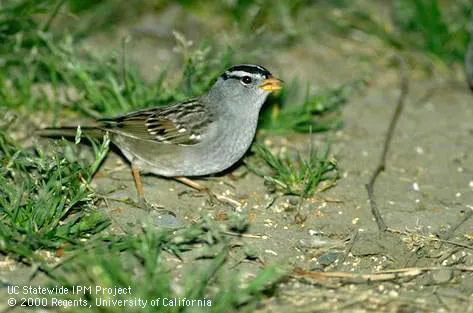
Urban and suburban areas are important habitats for migrating birds, but birds can also quickly become a nuisance or economic issue when they nest on buildings, homes, and other structures. Their activities can result in disruptive noises, lead to potential structural damage, and their droppings can create aesthetic and human health problems. The most effective method to keep migrating and nesting birds from becoming a nuisance or causing building damage is to exclude them. If you are a structural pest management professional offering exclusion services, it is important you know of and abide by laws protecting endangered and migratory birds.
Laws Protecting Birds
Some birds that nest on dwellings may be protected under the Migratory Bird Treaty Act and Endangered Species Act. These laws prohibit the trapping, possession, or killing of listed species and their parts (eggs, nests, feathers, etc.) without a permit. Generally, there must be a good case to justify a permit and the permit process can be time consuming. To check if you need a permit, visit the U.S. Fish and Wildlife Services website.
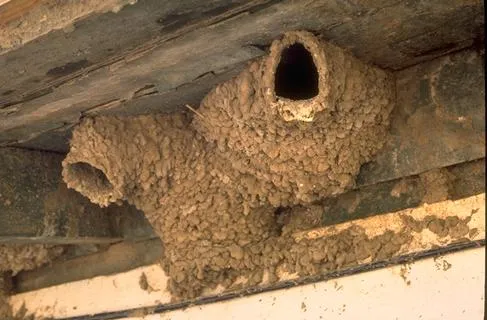
Before any exclusionary methods are enacted, it is important to correctly identify the bird species and understand its biology and migrating/nesting season. Removing nests of protected birds must be timed according to their migration departure. Once the birds have migrated and vacated their nests, it is safe to remove them and take measures to prevent future unwanted nesting.
When it is safe and appropriate to remove the nest, wear personal protective gear such as gloves, a dust mask, and coveralls or similar clothing to protect against contamination from fleas, mites, bacteria or other parasites that may be associated with the nest.
Physical Exclusion
Exclusion refers to any control method that denies physical access to the nest site area and is a relatively permanent, long-term solution to the problem. In California, a permit is not required for this method if it is done before the birds arrive, during nest building when there are no eggs or young in the nest, or after the birds have left for the winter.
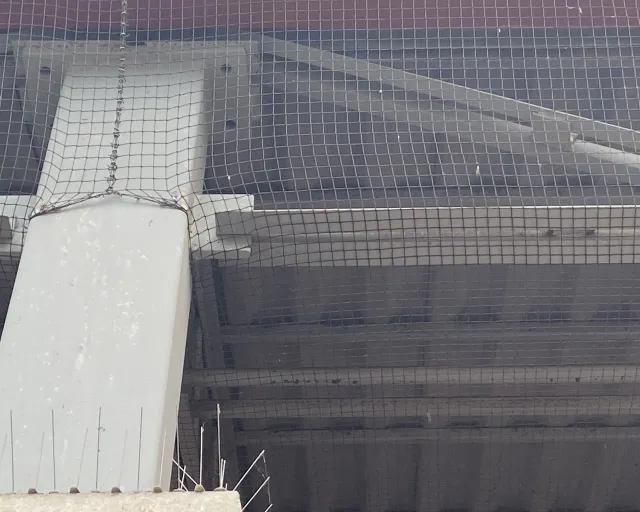
Consider installing bird-type netting, hardware cloth, metal or plastic projectors, or fiberglass panels to prevent birds from gaining access to ledges, under eaves, wood siding or other wood surfaces. Lightweight, plastic, 3/4-inch mesh can be stretched from the eaves to a lower point on the building. Alternatively, netting can be stretched over any flat surface subject to damage, leaving at least three inches of space between the netting and damaged surface so that the birds cannot cause further damage through the mesh. It may be necessary to net the entire side of a building; otherwise birds may move just beyond the netted area and continue their activities.
If a plastic net is used, it should be attached so that it can be pulled taut. This prevents flapping in the wind, which looks unsightly and results in tangles or breakage at mounting points. The net should not have any loose pockets or wrinkles that could trap and entangle birds.
While bird netting and other materials are available in stores and online, extensive netting may be a bigger task than some residents want to take on themselves, especially if it involves a two-story building. In this case, it is advisable they call a bird control professional.
Frightening Devices
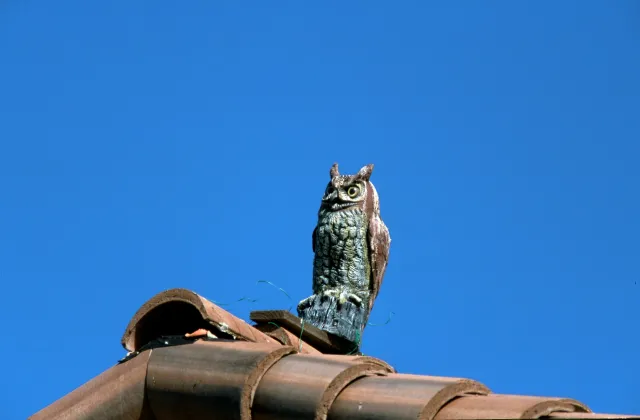
Models of hawks, owls, and snakes are sold at many garden centers, but these devices are ineffective. Plastic twirlers or windmills fastened to the eaves, and aluminum foil or brightly colored plastic strips hung from above repel by movement and reflection and have been used with inconsistent success. Various other gadgets or frightening devices are marketed for birds, some with limited success. Once established, birds such as woodpeckers are persistent and are not easily driven from their territory or selected pecking site.
Resources for More Information
For legal and permitting information about birds and other wildlife visit the California Department of Fish and Wildlife web site https://www.wildlife.ca.gov/ and the U.S. Department of Fish and Wildlife https://www.fws.gov/program/migratory-bird-permits.
Read more about the Migratory Bird Treaty Act and find more resources at https://www.fws.gov/law/migratory-bird-treaty-act-1918.
For more detailed information about installing netting, see UC IPM Pests Notes: Cliff Swallows and Woodpeckers.
Websites change frequently at the state and federal levels. The websites referenced in this article were accessed at the time of publication.
—Karey Windbiel-Rojas,
Area Urban IPM Advisor and Associate Director,
UC Statewide IPM and UCCE Capitol Corridor
[Featured in the Spring 2025 issue of the Green Bulletin]