
Basic Soil Maintenance
Healthy soil is an absolute requisite for successful gardening, and maintaining that condition is crucial. It is essential to remember that soil is a vibrant ecosystem teeming with a diverse community of living organisms, so maintaining soil simply involves providing all the soil life with nourishment and moisture sufficient to allow it to thrive. When the soil food web is actively flourishing, it supplies plants with an optimal environment for growth and development.
Add Organic Matter
The cornerstone of soil maintenance is the regular addition of organic matter. Organic materials, such as garden compost, composted animal manure and mulch feed the soil life and improve soil structure and enhance water infiltration and retention. Compost is especially beneficial as it contains beneficial microbes, soluble nutrients for plants and food for the microbial community. All this supports long term plant health.
To actively incorporate organic material into the soil, spread a 1-2” layer over the soil surface and gently work it into the top few inches. This approach is less disruptive to the existing soil structure than deep tilling. Deep tilling should be avoided in all cases except when the soil is severely compacted and has little or no structure.
Passive incorporation of organic material can be accomplished by consistent mulching. A thin, ⅜”, or so layer of compost can be applied before mulching. Using shredded leaves, straw, wood fines, wood chips or bark as a mulch will result in their degradation and subsequent integration into the soil. Additional benefits of mulch are preserving moisture, helping rain infiltrate, preventing compaction and erosion and reducing weeds.
Supply Sufficient Water
An important aspect of maintaining healthy soil is supplying sufficient water to keep the soil life vibrant. While all soil organisms have mechanisms by which they can deal with low moisture conditions, insufficient water can stress the soil life, a condition which is best avoided for healthy soil. It is also important to prevent your soil from becoming saturated, as soil with an excess of water can prevent roots from accessing required oxygen, literally causing the roots to “drown”.
Cover with Plants or Mulch
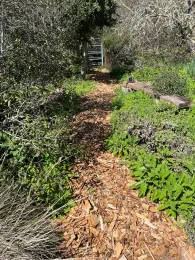
Healthy soil maintenance should also include measures that prevent or limit compaction. Bare soil is especially susceptible to compaction with rain, wind and sun making significant contributions, so keeping the soil adequately mulched or covered with plants is important. In areas that require heavy foot traffic, stepping stones or a thick layer mulch is beneficial.
Remember, every time you remove a fruit, vegetable, or for that matter any plant material from your garden, you are removing nutrients that were once present in the soil. You need to replenish these nutrients in your soil by regularly adding organic material.
Related Resources
- Watch: How to Mulch with Straw (3:17)
- Handout: Cover Crops to Improve Garden Soil
- Handout: Preparing Your Soil in Spring
Header image courtesy of Pixabay. All images used with permission.