
Leaflet
The Leaflet
Articles available here have been published in the Leaflet e-newsletter. Leaflet subscribers receive emails with seasonal advice, gardening tips and fact-based information on how to deal with pest and garden problems. To do a search of past Leaflet articles, use the search widget at the top of the web page.
Subscribe to the Leaflet here!
>BACK TO ASK US
Spring 2026
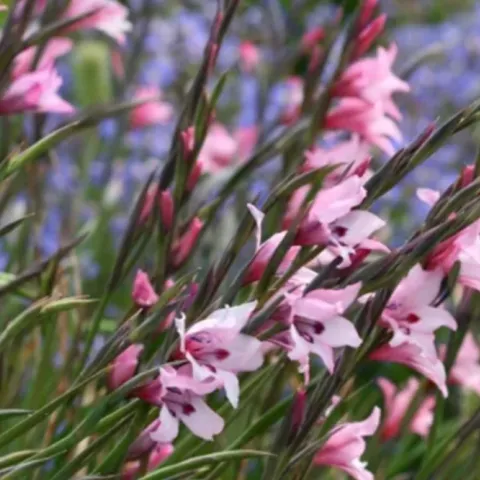
The Mighty Crabapple
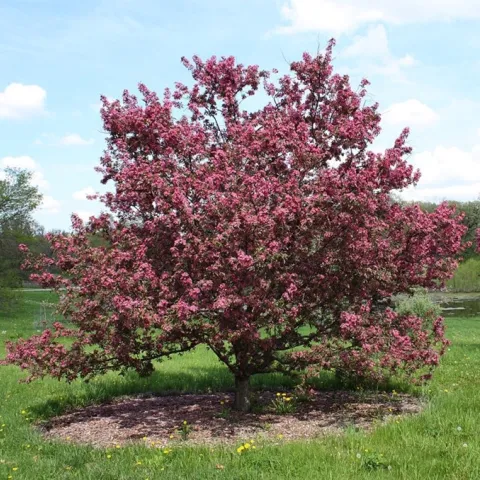
Few trees offer as much varied beauty as crabapples! These lovely trees are excellent additions to any landscape, offering year-round beauty as well as wildlife support. As a bonus, their fruit has culinary uses. Crabapples are relatives of the rose family and are native to North America, Europe, and Asia. As their name suggests, crabapples are close cousins of apples, but their fruit is smaller and more tarts. The name is thought to be derived from the Old English-Norse tern "scrab" in the 1400s, meaning rough and sour.
Crabapples are popular landscape trees
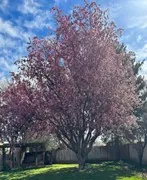
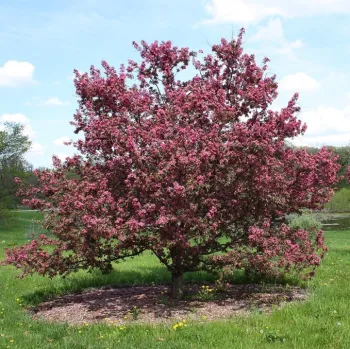
Crabapple (Malus) trees fill many roles in the landscape. They typically grow around 15 to 25 feet tall and wide, although there are shorter and taller cultivars. Their reasonable size is perfect for small gardens, and their innate beauty makes them striking accents in entry gardens and throughout the landscape. They also make excellent shade trees, providing dappled light rather than deep shade. Crabapples are low maintenance, drought-tolerant, and frost hardy. Minimal pruning keeps the trees shaped and healthy. If well cared for, crabapple trees have a long lifespan of 30 to 70 years.
Fabulous four-season interest
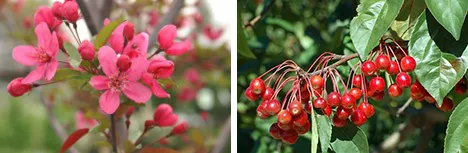
Crabapples are often chosen for their radiant all-season visual display. For many weeks in spring, they are loaded with dense white, pink, or red blossoms favored by pollinators. By June they are chock full of tart mini-apples for eating, preserving, and decorating. In fall the foliage turns a myriad of bright colors. Finally, in winter, the bare trees often have leftover fruit - a tasty snack for deer and birds such as robins and bluebirds.
Small, tart fruit is ideal for jam
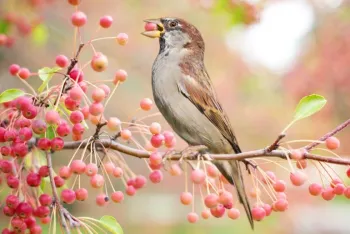
Red and yellow crabapple fruit ranges in size from small berries eaten by birds to miniature apples up to 2 inches in diameter. The official distinction between an apple and a crabapple is the 2-inch mark: anything larger counts as an apple. Crabapples tend to be far more sour than regular apples due to their high malic acid content, so they are best eaten in cooked and sweetened recipes, including mixed preserves with berries. Crabapples are also naturally high in pectin, and therefore they make exceptional jam.
How to grow and care for crabapple trees
Crabapples do not demand too much of the gardener. How’s how to grow and care for one of these wonderful trees.
- Choose a location with plenty of sunlight. Crabapples need at least six hours of sun per day year-round.
- Provide rich soil. Crabapples perform best in loamy soil with plenty of organic matter, but they are adaptable to other soil types.
- Assure good drainage. To avoid root rot, make sure water drains well where your crabapple is planted.
- Water regularly. For the first year after planting, water deeply once or twice a week. In our area, and depending on the cultivar, crabapples may become drought tolerant after one to three years of regular irrigation. However, deep, occasional supplemental water is recommended during especially hot, dry spells.
- Mulch. Apply a layer of mulch to help retain moisture, regulate soil temperature, and keep weeds down.
Considerations when choosing a crabapple tree
- Check chill hours. Like many other fruit trees, crabapples need a certain number of hours below 45° F to break dormancy and produce fruit. Most areas of Marin receive 800-1,000 chill hours, but this varies greatly from coast to inland areas and whether your crabapple is planted in a sheltered or exposed location. Make sure to choose a cultivar with an appropriate number of chill hours for your garden. If in doubt, choose a lower-chill variety.
- Carefully consider planting location. Some crabapple varieties drop fruit before it can be consumed by birds, which can create a slime layer on your patio or lawn. Additionally, the fallen fruit that is not cleaned up can attract wasps, rodents, and deer.
- Not all crabapples can be eaten (by humans). If you’re planting your crabapple for eating, make sure to choose a variety with a larger fruit size. Small-fruiting crabapples are useless for human consumption -- but are greatly enjoyed by birds and other wildlife.
- Think about disease resistance. Some crabapple cultivars are prone to apple scab, blight, mildew, and rust. It’s best to choose a disease-resistant cultivar and make sure your crabapple is getting enough sun and water to lessen the chance of disease.
Some varieties of crabapple to consider
With up to 1,000 varieties of crabapples in the world, you can be sure that there is one for your garden. Here’s a list of crabapples that thrive in our area. See highlights below.
- Malus fusca (Pacific crabapple) is native to the Bay Area and as far north as Alaska. It is particularly easy to grow in our climate. These trees grow to 30 feet tall and 20 feet wide, but they can be kept smaller with pruning. Pacific crabapples bear fragrant light pink flowers in spring and orange fruit in summer that is delicious when cooked into jelly or raisins.
- Malus ‘Prairie Fire’(prairie fire crabapple) is a popular selection. It bears purple-tinged foliage in summer and maroon fruit that persists into winter. The burgundy-red leaves and brilliant pink spring blooms are spectacular in spring. Grows 15 to 25 feet tall.
- Malus ‘Evereste’ (Evereste crabapple) is a disease-resistant choice that is often available as a dwarf, growing just 5 to 14 feet tall. It produces masses of fragrant white blossoms in spring and one-inch red fruit in summer that can be used to make jelly, pickled apples, or apple cider.
- Malus x‘Royal Raindrops’ (royal raindrops crabapple) has magenta pink, fragrant blooms, purple-tinged foliage, and red fruit prized by birds. Grows 15 to 20 feet tall
- Malus x ‘Hargozam’ (harvest gold crabapple) bears stunning yellow fruit. Grows 20 to 25 feet tall.
Winter 2025-26
Gardener's checklist for winter
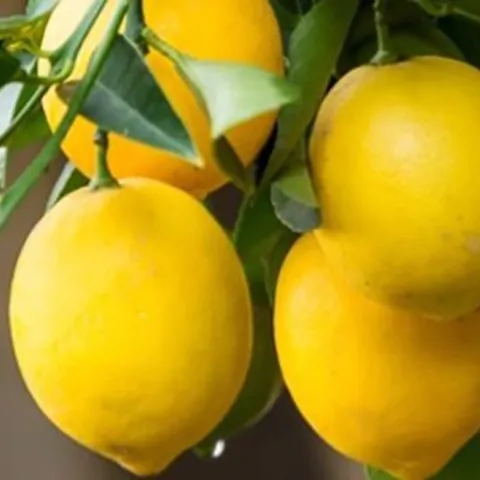
DECEMBER Plant Care Checklist
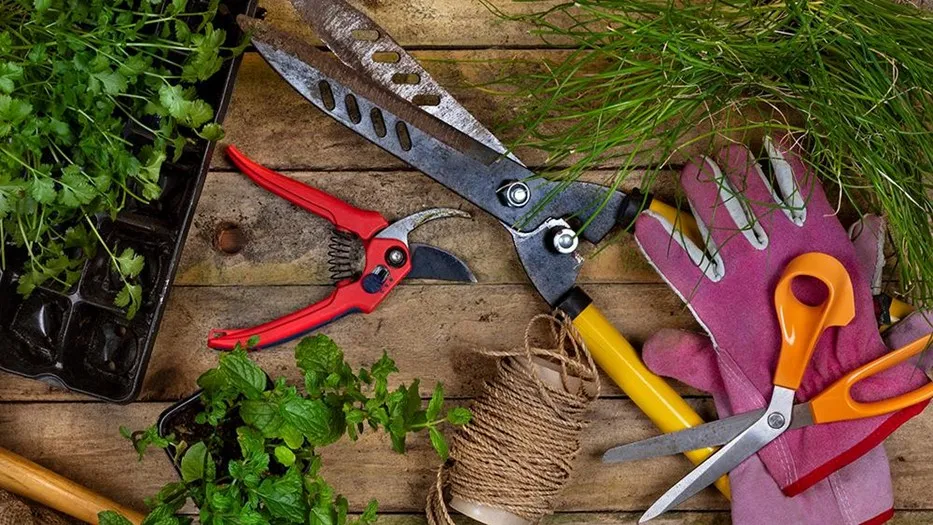
Maintenance and prevention
- Clean up the garden to avoid over-wintering diseases.
- Cover open compost bins with a tarp when the rains begin.
- Protect frost-sensitive garden plants such as succulents. If frost is predicted, cover or move them under a sheltering overhang. Use stakes around the plants to suspend the covering material so it doesn’t touch the foliage. Remove frost blankets during the day. Consider applying an anti-transpirant compound to plant foliage to seal in moisture.
- Wait until the weather warms up in March to prune off any frost damaged plant parts.
- Tour your landscape during a heavy rainfall. See where water is coming off your house and where there are eroding torrents. Think about ways to slow, spread, and sink the rain.
- Do not disturb soil – no digging, tilling, or walking on wet soil to avoid compacting. Shovel less, nurture more.
- Clean and sharpen tools - remove all soil and wash them with a 10% bleach solution to avoid spreading diseases. After drying them completely, apply a light layer of vegetable oil to prevent rusting.
- Reduce watering houseplants to avoid root rot over the winter when they are not actively growing.
- Ensure houseplants are not exposed to heat sources. Increase humidity by placing plants on pebble filled saucers.
- Feed the birds. Keep suet and seed feeders full.
Planting and propagating
- Take cuttings of succulents and create small container gardens for holiday gifts.
- Finish planting spring blooming bulbs.
- Continue planting native plants and bulbs and scattering annual wildflower seeds.
- Shop for the winter blooming Camellia sasanqua while it is in bloom.
Cutting and pruning
- Lightly prune any evergreen shrubs to keep pathways clear. Trees can be thinned to prevent storm/wind damage.
- Prune woody shrubs, hardy deciduous trees, dormant shade trees, and winter flowering shrubs just after bloom. Wait to prune spring flowering trees and shrubs until after they bloom.
- Bring trimmed bare branches indoors for a unique decorative element.
Feed and fertilize
- Lightly fertilize potted winter-growing succulents such as Aeonium, Aloe, and Kalanchoe if needed.
Pests and weeds
- Inspect citrus trees for snails and slugs, brown rot, and root rot.
- Inspect pine trees for bark beetles Learn more about bark beetles, pitch moths, western gall rust, and wood borers.
Edibles
- Plant bulb onions and rhubarb divisions.
- Watch for frost; cover sensitive crops as needed.
- Learn more about crops to plant in December and other activities in the edible garden.
Fire-smart Landscaping
- Plan for the upcoming fire season. Start by understanding the defensible space zones, especially the five feet surrounding the perimeter of your home. Remove combustible materials or vegetation in that area, especially near windows.
- Learn more about fire-smart defensible space zones.
JANUARY Plant Care Checklist
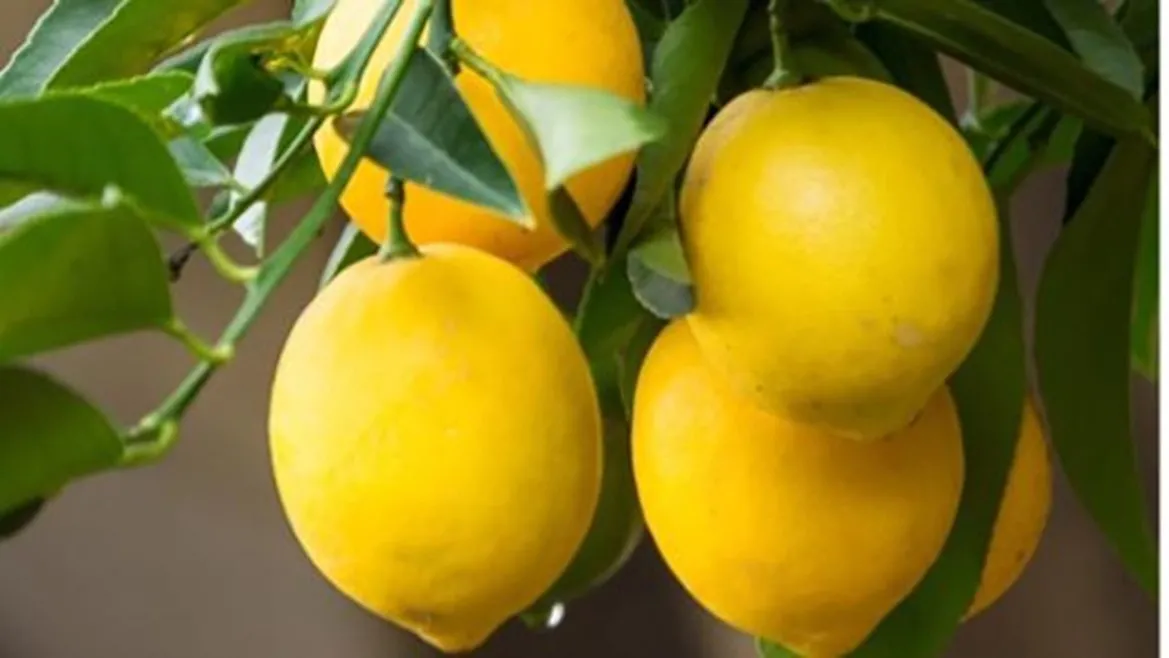
Maintenance and prevention
- Observe water runoff during a heavy rain and correct any drainage issues.
- Protect tender garden plants by covering them on frosty nights. Use stakes to keep material from touching foliage and remove the coverings when temperatures rise the next day. Consider applying an anti-transpirant compound to plant foliage to seal in moisture.
- Water plants (except succulents) before an anticipated frost.
- Avoid walking on or working in garden beds after heavy rains to avoid compacting the soil.
- Pick off old flowers from camellias and azaleas and clean up dropped flowers to reduce petal blight, a fungal disease. Do not add them to your compost pile.
- Clean, sharpen, and repair garden tools.
- Organize your tool shed.
- Revitalize houseplants by washing the leaves, inspecting for insects, and repotting them if necessary.
- Reduce watering of houseplants to avoid root rot, as most are not actively growing.
- Water outdoor plants if rainfall is scarce.
- Water outdoor plants that are not exposed to rain (under eaves, on covered decks, etc.).
- Feed the birds in your garden.
Planting and propagating
- Purchase and plant bare root trees, roses, vines and shrubs. Bare root plants are less costly and establish faster than plants in containers. Avoid planting in soggy soil.
- Divide and pot spring flowering perennials.
Cutting and pruning
- Prune and cut back perennials and ornamental grasses.
- Prune woody shrubs, deciduous trees, dormant trees, summer blooming vines, and winter flowering shrubs just after bloom. Wait to prune spring flowering trees and shrubs until after they bloom. Learn more about pruning.
- Prune roses. Remove and dispose all leaves and debris to prevent overwintering pests and disease. Do not add to home compost.
- After pruning, be sure to clean tools.
Pests and weeds
- Inspect pine trees for bark beetles Learn more about bark beetles, pitch moths, western gall rust, and wood borers.
- Inspect citrus trees for snails and slugs, brown rot, and root rot.
- Spray fruit trees and roses with horticultural oil to control pests.
Edibles
- Buy seeds.
- Prune fruit trees and grapes.
- Plant bare root fruit trees and shrubs, artichokes, asparagus, blackberries, grapes, onion starts, raspberries, rhubarb, and strawberries.
- Learn more about crops to plant in January and other activities in the edible garden.
Fire-smart Landscaping
- Remove any limbs 10 feet from the chimney or roof and maintain separation between trees or groups of trees.
- Learn more about Fire-smart Landscaping.
FEBRUARY Plant Care Checklist
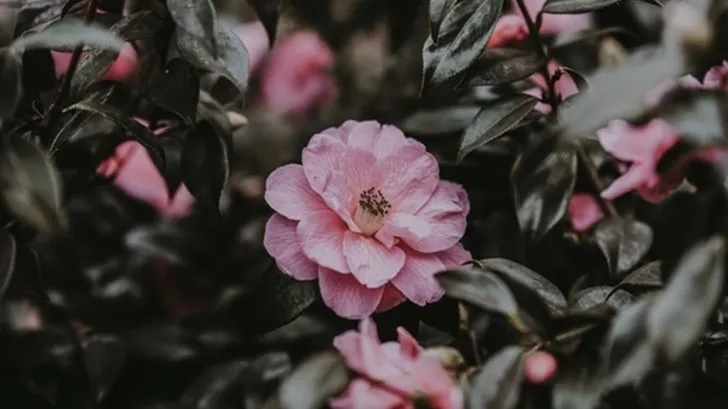
Maintenance and prevention
- Inspect irrigation system for leaks and non-functioning emitters and sprayers. Run the system for a few minutes, paying close attention to which emitters are not working. Straighten lines and use a pin or needle to free any trapped grit in emitters. Make any other needed repairs or changes.
- Clean up old and dropped flowers from camellias and azaleas to reduce petal blight, a fungal disease. Do not add them to your compost pile.
- Avoid working in or walking on wet soil.
- Be alert to possible freezing temperatures and protect sensitive plants such as citrus and succulents. Learn more about frost.
- Apply organic fertilizer to citrus if needed.
- Repot houseplants and succulents in anticipation of spring growth.
Planting and propagating
- Finish planting bare root trees, shrubs, and roses before they break dormancy.
- Divide perennials such as daylily and yarrow.
Cutting and pruning
- Finish pruning dormant plants. Wait to prune back frost-damaged plants until warmer weather when you see whether they have recovered.
- Prune Japanese maples while they are winter dormant.
- Prune woody shrubs and evergreen trees (spruce, firs, junipers, yews, redwoods, and cypress), hardy deciduous trees, dormant shade trees, summer blooming vines, and winter flowering shrubs just after bloom. Wait to prune summer blooming trees and shrubs until after they bloom.
- Cut back woody shrubs to stimulate new growth. To rejuvenate leggy shrubs, cut to the ground one-third of the oldest stems each year.
- Prune ornamental grasses.
- Finish pruning roses and dispose of canes, leaves, and debris.
- After pruning, be sure to clean tools.
Pests and weeds
- Check plants for aphids as the weather warms. Remove infestations with a hard spray of water or insecticidal soap.
- Stay on top of weeds. Hand pull them or cut off at the soil line.
- Monitor tender new growth for snails and slugs. Hand pick or apply an iron phosphate bait which is safe to use around children, pets, and wildlife.
Edibles
- Use dormant oil spray on fruit trees if needed.
- Cut down cover crops if ready. Chop into pieces and dig into beds or put into compost pile.
- Plant artichokes, asparagus, broccoli, cabbage, cauliflower, celery, collard greens, leeks, onion starts, and rhubarb.
- Learn more about crops to plant in February and other activities in the edible garden.

Summer 2025
Goldenrod (Solidago): a beam of sunshine for the summer-fall garden
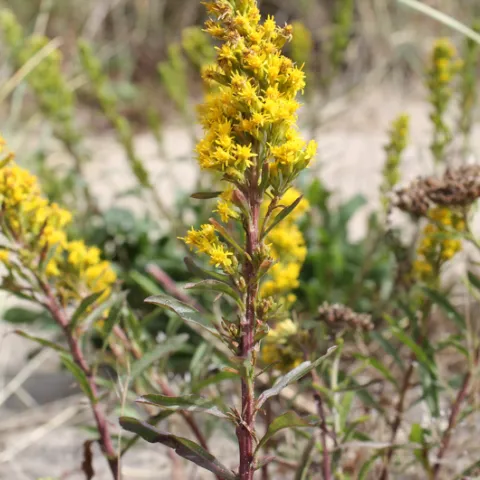
Goldenrod (Solidago) is a striking California native perennial that’s easy to grow in sunny gardens. A member of the Asteraceae (sunflower) family, it is recognizable by its masses of bright yellow flowers that bloom profusely in late summer and fall. The cheery blooms are a delight in the garden as many other perennials are fading this time of year.
A word of caution
Some gardeners find that goldenrod is too much of a good thing. Why? Because it tends to creep. It does this in two ways: by underground rhizomes and by dispersing seeds after its blooms have died back. Your best strategy? If you plant Solidago, be sure to give it plenty of room to roam. To prevent spreading seeds, clip off the dried flowering stalks (and the dry foliage) after bloom.
Many goldenrods to choose from
There are a number of Solidago species and varieties -- some native to California and others native to nearby areas such as the southwest region of the US. All are relatively easy to grow and sport bright yellow flowers. Click here to see a handful of goldenrods. (Click on each photo to see more images and details.)
Solidago spotlight: four native species to consider for your garden
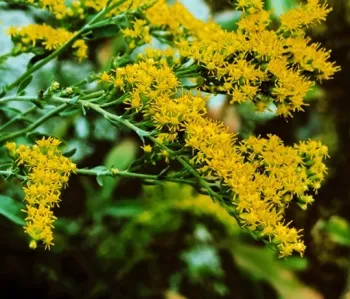
California goldenrod (Solidago velutina ssp. californica) grows fast and produces many showy flower spikes up to 5 feet tall. Birds and pollinating insects love this plant. It is found throughout California in open grassy places up to an elevation of 7,500 feet. It is a very garden-tolerant, easy plant that thrives in a variety of soil types in full sun to partial shade. It likes to be wet in winter and spring and dry in summer; however, it can tolerate some extra summer water. Be aware that California goldenrod may become invasive due to its ability to spread aggressively.
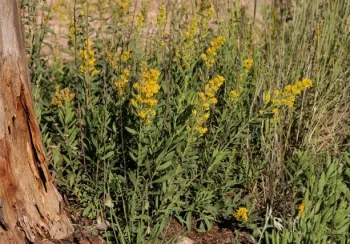
Threenerve goldenrod (Solidago velutina) is widespread in western North America. It is in almost every county in California. Threenerve goldenrod is winter dormant and is best used where a wild look is desired. The yellow-gold flowers in late summer are showy and attract a large number of insects as well as some birds. It grows at a moderate rate up to 3 feet tall. It requires little care and is not picky about soil, dry summers, or cold winters. It is visited by bats, bees, caterpillars, and butterflies. Photo: Flickr, Cecilia Alexander
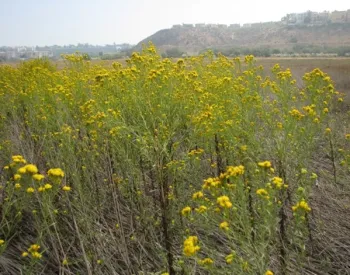
Western goldenrod (Euthamia occidentalis), also called western goldentop, is a deciduous perennial native to most of the western states. It is most widespread in California where it is primarily found at elevations below 5,000 feet in damp areas along rivers and streams, irrigation ditches, meadows, tidal channels, and other wetlands. It is a spreading plant with thin, tall, branched stems with long, narrow, gray-green leaves. It typically grows 4 to 6 feet tall and can be used for erosion control and bank stabilization. This variety needs supplemental water in summer and must stay moist. It attracts bees and other pollinators. Photo: Flickr, Jonathan Coffin
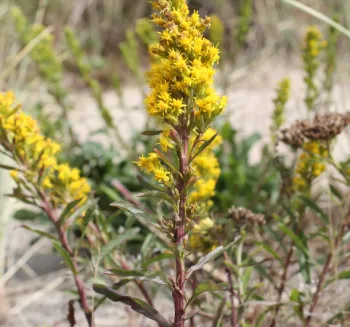
Coast goldenrod (Solidago spathulata), also called dune goldenrod, is native to coastal regions of Oregon and California on sand dunes and hillsides overlooking the Pacific Ocean. It grows up to 20 inches tall and has a branching underground caudex (swollen woody stem or root). One plant can produce as many as 100 small yellow flower heads in a branching array. This species of Solidago is used as a groundcover or lawn alternative. Coast goldenrod is visited by bats, bees, caterpillars, and butterflies. Photo: Flickr, Steve Sullivan
Gardener's checklist for summer
JUNE
Maintenance and prevention
- Check soil moisture and adjust the watering schedule on your irrigation controller accordingly. Water early in the day. Watch container plants which may need daily watering.
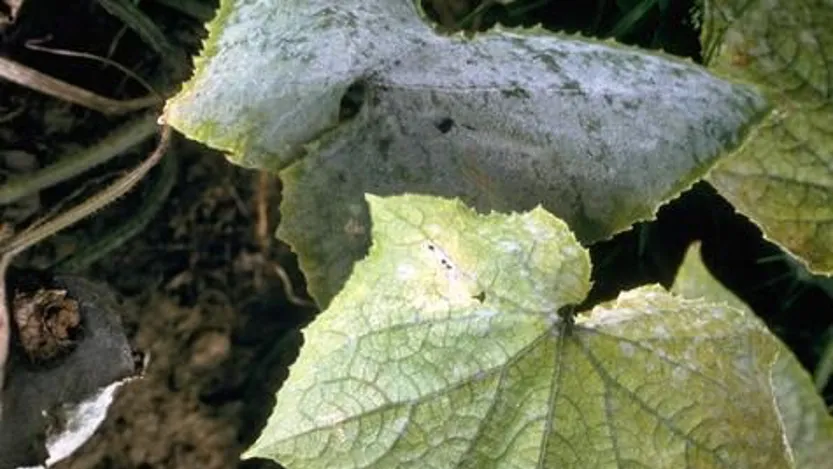
- Control powdery mildew, a fungus that likes dry summer conditions. Spray susceptible plants with a horticultural oil or biological fungicide.
- Use pot feet or boards to elevate containers sitting on hot pavement.
- Don’t forget to water houseplants as your attention focuses on the outdoors.
- Check for standing water to keep mosquitoes from breeding.
- Treat ponds with mosquito repellent.
- Turn compost and keep it as moist as a wrung-out sponge. Add garden waste, grass clippings, pruning material, and leaves so long as they are not diseased.
- Raise the cutting height of lawnmower 1 to 1.5 inches to help grass survive drought and heat (encourages deep roots and reduces water demand).
- Leave lawn clippings on the ground for nutrients and as a mulch layer. Learn more about lawn care.
Planting and propagating
- Cut off spent flowers for continued bloom. (Consider leaving some for the birds.)
- Stake tall plants such as dahlias, gladiolus, and lilies as needed.
- Harvest blooming lavender to dry for indoor use.
Pests and weeds
- Monitor and control snails, slugs, and aphids.
- Use beneficial nematodes to manage grubs in your lawn.
- Keep an eye out for early signs of insect infestation - blast any you see with a garden hose.
- Set yellowjacket traps at the perimeter of the yard (not near eating areas) to discourage yellowjackets from visiting.
Feed and fertilize
- Make compost tea for a mild liquid fertilizer.
- Mulch shrubs and beds to conserve moisture.
- Fertilize roses and other summer-blooming plants, if needed, using an organic fertilizer.
- Use little or no fertilizer on herbs.
- Feed azaleas, camellias, and rhododendrons with a balanced organic fertilizer formulated for acid-loving plants monthly during the spring and summer.
Edibles
- Thin fruit trees.
- Thin fruit on apple trees.
- Protect summer fruit crops with netting or row cover.
- Plant beans, broccoli, chard, cucumbers, eggplant, ground cherries, melons, peppers, pumpkins, parsley, squash, tomatoes
- In cooler areas, plant cabbage, celery, lettuce, bunching onions, and peas.
- Learn more about crops to plant in June and other activities in the edible garden.
JULY
Maintenance and prevention
- Monitor soil moisture. The water requirements of plants peaks in July. Established perennials, shrubs, and trees need infrequent but deep watering. Container plants may need daily watering. Learn more about irrigation.
- Adjust watering schedules monthly, according to the weather and changing needs of your plants.
- Mulch garden and vegetable beds to protect them from summer heat, reduce watering needs, and keep the weeds down.
- Lightly fertilize summer growing succulents if needed, such as Agave and Echeveria. Learn more about caring for succulents. Cactus and succulents are drought tolerant, but many appreciate some water in very hot weather. Succulents may find full sun to be too strong in some locations, so provide them with some shade if they appear to be struggling.
- Drain standing water from saucers to eliminate mosquito breeding grounds.
- Treat ponds with mosquito repellent.
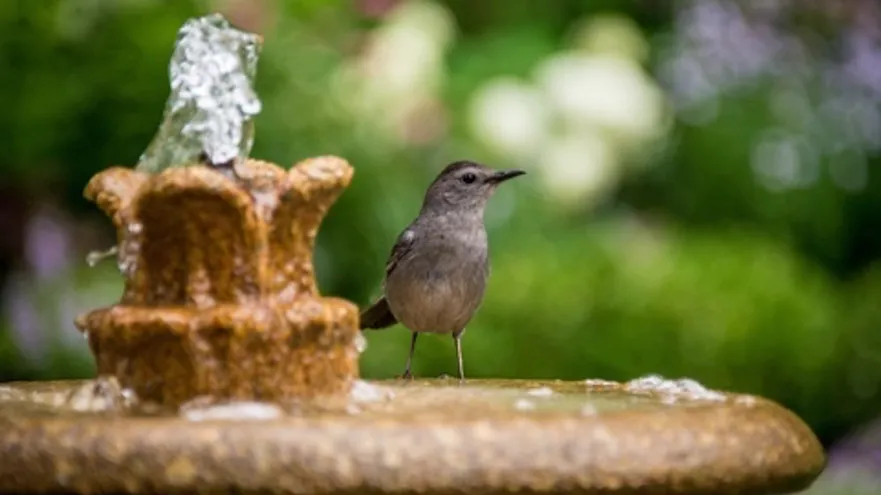
- Provide a water source such as a bird bath for thirsty birds and bees.
- Raise the cutting height of lawnmower 1 to 1.5 inches to help grass survive drought and heat (encourages deep roots and reduces water demand).
- Leave lawn clippings on the ground for nutrients and as a mulch layer. Learn more about lawn care.
Pests and weeds
- Control powdery mildew, a fungus that likes dry summer conditions. Spray susceptible plants with a horticultural oil or biological fungicide. Follow package directions.
- Monitor whiteflies — use sticky traps, thin out dense branches for air circulation, and use earth worm castings to discourage them. Using a reflective mulch or strips of foil will help repel them.
- Check shade shrubs for thrips.
- Check fuchsias for fuchsia mite. If found, cut back 6 inches beyond the infected site.
- Set yellowjacket traps at the perimeter of the yard (not near eating areas) to discourage yellowjackets from visiting.
Planting and propagating
- Pinch off spent flowers on perennials and annuals to encourage repeat bloom.
- Pinch back chrysanthemums to encourage branching and increased bloom. Leggy impatiens and coleus also benefit from being pinched back.
- Dig up and divide overcrowded bearded irises.
- Dig up overcrowded bulbs after the foliage dies. Store bulbs in a cool, dry place for replanting in fall.
Feed and fertilize
- Feed azaleas, camellias, and rhododendrons with a balanced organic fertilizer formulated for acid-loving plants.
- Feed container plants if needed, using an organic fertilizer.
- Feed citrus if needed, using an organic fertilizer.
Edibles
- Plant beans and summer squash.
- In cooler areas, plant broccoli, cabbage, chard, collard greens, kale, lettuce, bunching onions, and peas.
- Learn more about crops to plant in July and other activities in the edible garden.
Fire-smart Landscaping
- Move wood mulch 5 feet or more away from the perimeter of your home and any other structures on your property. Place non-combustible mulch in that area instead.
- Learn more about Fire-smart Landscaping.
AUGUST
Maintenance and prevention
- Monitor soil moisture. Established perennials, shrubs and trees need infrequent but deep watering. Container plants may need daily watering.
- Adjust watering schedules monthly, according to the weather and changing needs of your plants.
- Check mature plants to be sure they are not water-stressed. Your 30+ year old plants are valuable!
- Container plants may need daily watering, as soil in pots can dry out quickly and damage plant roots on hot summer days.
- Treat ponds with mosquito repellent and empty containers with standing water.
- Raise the cutting height of lawnmower 1 to 1.5 inches to help grass survive drought and heat (encourages deep roots and reduces water demand).
- Leave lawn clippings on the ground for nutrients and as a mulch layer.
Planting and propagating
- Choose drought tolerant plants that attract butterflies. Remember to plant some for nectar like Lantana (adults) and some for feeding like native milkweed (Asclepias fascicularis), Ceanothus, Buckwheat (Eriogonum), or dill (caterpillars). Note: do not plant milkweed if you are within 5 miles of the coast. Learn more about pollinators.
Cutting and pruning
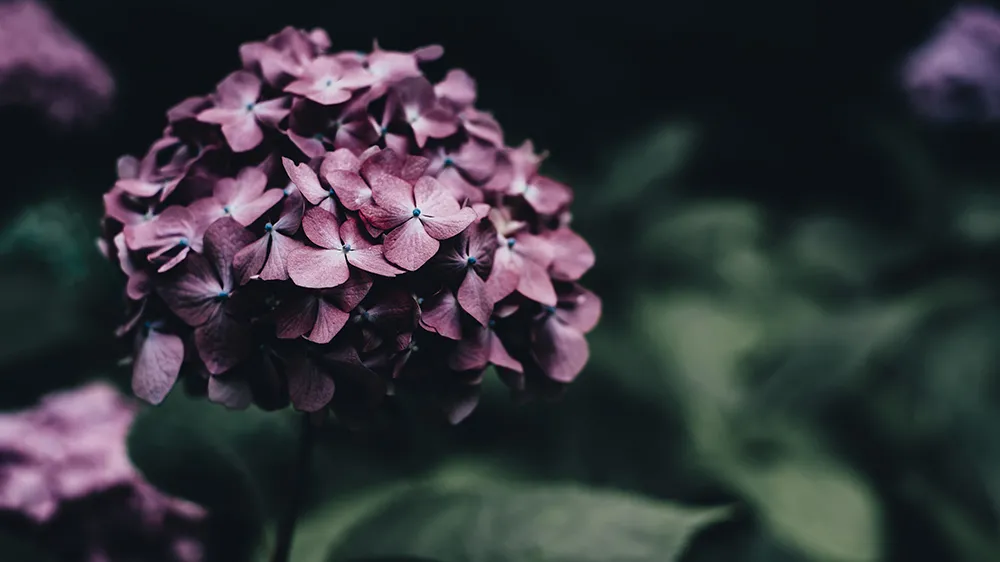
- Prune hydrangeas after blooms fade.
- Pinch off spent flowers on perennials and annuals to encourage repeat bloom.
- Maintenance prune coniferous trees: yews, junipers, redwoods and cypress.
Pests and weeds
- Monitor for spider mites by looking for fine webbing on plants. Minimize the chance of infestation by rinsing dust and dirt off leaves with a spray of water.
- Set yellowjacket traps at the perimeter of the garden (not near eating areas) to discourage yellowjackets from visiting.
Feed and fertilize
- Feed azaleas, camellias and rhododendrons with a balanced organic fertilizer formulated for acid-loving plants.
- Feed container plants if needed, using an organic fertilizer.
- Feed citrus if needed, using an organic fertilizer.
Edibles
- Plant broccoli, cabbage, cauliflower, celery, chard, and bunching onions.
- In cooler areas, plant collard greens, kale, lettuce, and peas.
- Learn more about crops to plant in August and other activities in the edible garden.
Fire-smart Landscaping
- Keep the landscape hydrated during hot, windy days, but don’t over water on Red Flag Days because it depletes water our fire departments need.
- Learn more about Fire-smart Landscaping.
Winter 2024-25
Gardener's checklist for winter
DECEMBER Plant Care Checklist
Maintenance and prevention
- Clean up the garden to avoid over-wintering diseases.
- Cover open compost bins with a tarp when the rains begin.
- Protect frost-sensitive garden plants such as succulents. If frost is predicted, cover or move them under a sheltering overhang. Use stakes around the plants to suspend the covering material so it doesn’t touch the foliage. Remove frost blankets during the day. Consider applying an anti-transpirant compound to plant foliage to seal in moisture.
- Wait until the weather warms up in March to prune off any frost damaged plant parts.
- Tour your landscape during a heavy rainfall. See where water is coming off your house and where there are eroding torrents. Think about ways to slow, spread, and sink the rain.
- Do not disturb soil – no digging, tilling, or walking on wet soil to avoid compacting. Shovel less, nurture more.
- Clean and sharpen tools - remove all soil and wash them with a 10% bleach solution to avoid spreading diseases. After drying them completely, apply a light layer of vegetable oil to prevent rusting.
- Reduce watering houseplants to avoid root rot over the winter when they are not actively growing.
- Ensure houseplants are not exposed to heat sources. Increase humidity by placing plants on pebble filled saucers.
- Feed the birds. Keep suet and seed feeders full.
Planting and propagating
- Take cuttings of succulents and create small container gardens for holiday gifts.
- Finish planting spring blooming bulbs.
- Continue planting native plants and bulbs and scattering annual wildflower seeds.
- Shop for the winter blooming Camellia sasanqua while it is in bloom.
Cutting and pruning
- Lightly prune any evergreen shrubs to keep pathways clear. Trees can be thinned to prevent storm/wind damage.
- Prune woody shrubs, hardy deciduous trees, dormant shade trees, and winter flowering shrubs just after bloom. Wait to prune spring flowering trees and shrubs until after they bloom.
- Bring trimmed bare branches indoors for a unique decorative element.
Feed and fertilize
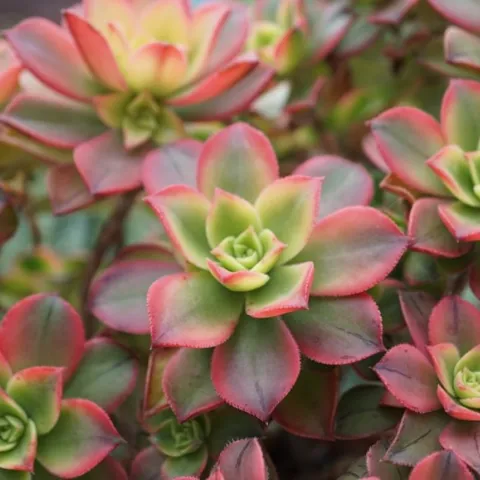
- Lightly fertilize potted winter-growing succulents such as Aeonium, Aloe, and Kalanchoe if needed.
Pests and weeds
- Inspect citrus trees for snails and slugs, brown rot, and root rot.
- Inspect pine trees for bark beetles Learn more about bark beetles, pitch moths, western gall rust, and wood borers.
Edibles
- Plant bulb onions and rhubarb divisions.
- Watch for frost; cover sensitive crops as needed.
- Learn more about crops to plant in December and other activities in the edible garden.
Fire-smart Landscaping
- Plan for the upcoming fire season. Start by understanding the defensible space zones, especially the five feet surrounding the perimeter of your home. Remove combustible materials or vegetation in that area, especially near windows.
- Learn more about fire-smart defensible space zones.
JANUARY Plant Care Checklist
Maintenance and prevention
- Observe water runoff during a heavy rain and correct any drainage issues.
- Protect tender garden plants by covering them on frosty nights. Use stakes to keep material from touching foliage and remove the coverings when temperatures rise the next day. Consider applying an anti-transpirant compound to plant foliage to seal in moisture.
- Water plants (except succulents) before an anticipated frost.
- Avoid walking on or working in garden beds after heavy rains to avoid compacting the soil.
- Pick off old flowers from camellias and azaleas and clean up dropped flowers to reduce petal blight, a fungal disease. Do not add them to your compost pile.
- Clean, sharpen, and repair garden tools.
- Organize your tool shed.
- Revitalize houseplants by washing the leaves, inspecting for insects, and repotting them if necessary.
- Reduce watering of houseplants to avoid root rot, as most are not actively growing.
- Water outdoor plants if rainfall is scarce.
- Water outdoor plants that are not exposed to rain (under eaves, on covered decks, etc.).
- Feed the birds in your garden.
Planting and propagating
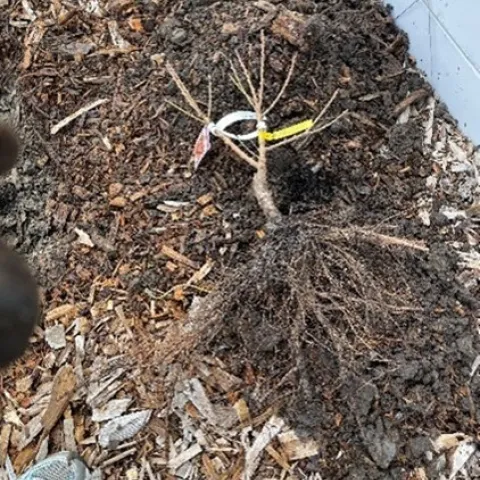
- Purchase and plant bare root trees, roses, vines and shrubs. Bare root plants are less costly and establish faster than plants in containers. Avoid planting in soggy soil.
- Divide and pot spring flowering perennials.
Cutting and pruning
- Prune and cut back perennials and ornamental grasses.
- Prune woody shrubs, deciduous trees, dormant trees, summer blooming vines, and winter flowering shrubs just after bloom. Wait to prune spring flowering trees and shrubs until after they bloom. Learn more about pruning.
- Prune roses. Remove and dispose all leaves and debris to prevent overwintering pests and disease. Do not add to home compost.
- After pruning, be sure to clean tools.
Pests and weeds
- Inspect pine trees for bark beetles Learn more about bark beetles, pitch moths, western gall rust, and wood borers.
- Inspect citrus trees for snails and slugs, brown rot, and root rot.
- Spray fruit trees and roses with horticultural oil to control pests.
Edibles
- Buy seeds.
- Prune fruit trees and grapes.
- Plant bare root fruit trees and shrubs, artichokes, asparagus, blackberries, grapes, onion starts, raspberries, rhubarb, and strawberries.
- Learn more about crops to plant in January and other activities in the edible garden.
Fire-smart Landscaping
- Remove any limbs 10 feet from the chimney or roof and maintain separation between trees or groups of trees.
- Learn more about Fire-smart Landscaping.
FEBRUARY Plant Care Checklist
Maintenance and prevention
- Inspect irrigation system for leaks and non-functioning emitters and sprayers. Run the system for a few minutes, paying close attention to which emitters are not working. Straighten lines and use a pin or needle to free any trapped grit in emitters. Make any other needed repairs or changes.
- Clean up old and dropped flowers from camellias and azaleas to reduce petal blight, a fungal disease. Do not add them to your compost pile.
- Avoid working in or walking on wet soil.
- Be alert to possible freezing temperatures and protect sensitive plants such as citrus and succulents. Learn more about frost.
- Apply organic fertilizer to citrus if needed.
- Repot houseplants and succulents in anticipation of spring growth.
Planting and propagating
- Finish planting bare root trees, shrubs, and roses before they break dormancy.
- Divide perennials such as daylily and yarrow.
Cutting and pruning
- Finish pruning dormant plants. Wait to prune back frost-damaged plants until warmer weather when you see whether they have recovered.
- Prune Japanese maples while they are winter dormant.
- Prune woody shrubs and evergreen trees (spruce, firs, junipers, yews, redwoods, and cypress), hardy deciduous trees, dormant shade trees, summer blooming vines, and winter flowering shrubs just after bloom. Wait to prune summer blooming trees and shrubs until after they bloom.
- Cut back woody shrubs to stimulate new growth. To rejuvenate leggy shrubs, cut to the ground one-third of the oldest stems each year.
- Prune ornamental grasses.
- Finish pruning roses and dispose of canes, leaves, and debris.
- After pruning, be sure to clean tools.
Pests and weeds
- Check plants for aphids as the weather warms. Remove infestations with a hard spray of water or insecticidal soap.
- Stay on top of weeds. Hand pull them or cut off at the soil line.
- Monitor tender new growth for snails and slugs. Hand pick or apply an iron phosphate bait which is safe to use around children, pets, and wildlife.
Edibles
- Use dormant oil spray on fruit trees if needed.
- Cut down cover crops if ready. Chop into pieces and dig into beds or put into compost pile.
- Plant artichokes, asparagus, broccoli, cabbage, cauliflower, celery, collard greens, leeks, onion starts, and rhubarb.
- Learn more about crops to plant in February and other activities in the edible garden.