Cover Crops & Soil Enhancement
What to Do Off-Season in the Edible Garden
Putting the garden to rest
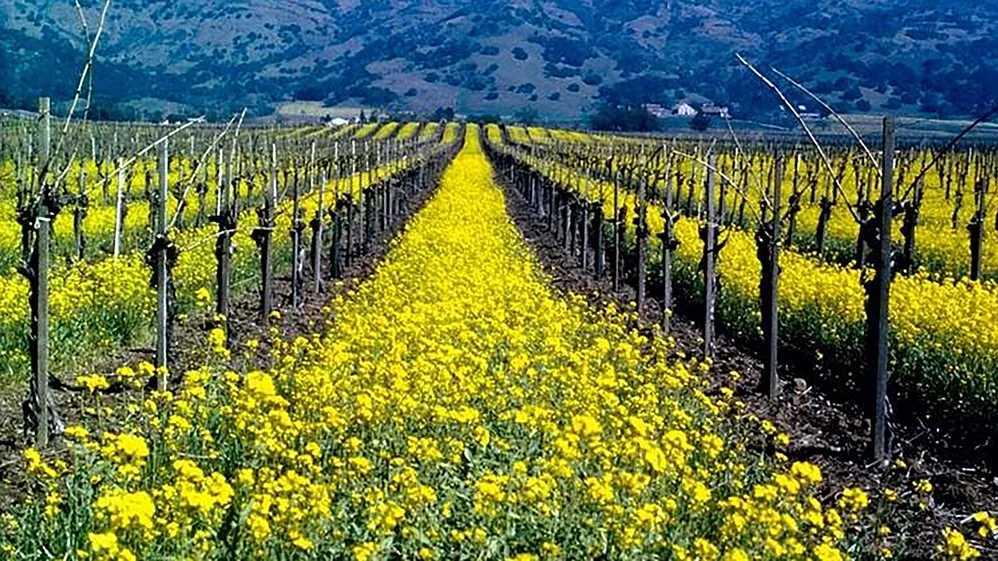
Thanks to Marin's mild winter weather, home gardeners can grow vegetables year-round. But you may choose to give the garden (and yourself) some rest and rejuvenation once you've harvested your last summer-fall crop. Here are two options for putting the edible garden to bed before you kick back in your easy chair and flip through seed catalogs.
Two basic options for your edible beds:
> Grow cover crops
> Straw-covered manure layer
Option one: GROW COVER CROPS
Cover crops are plants grown primarily to improve soil. Planted when traditional garden crops are not present, they enrich soil and provide numerous other benefits. Cover crops are often referred to as a “green manure.”
Advantages
• Build soil fertility
• Increase soil organic matter
• Suppress weeds
• Protect soil from wind and water erosion
• Provide habitat for beneficial insects and earthworms
• Loosen soil without digging, as roots reach down deeper than any shovel
• Fix nitrogen in the soil. Research shows that legume crops, especially vetch, are the best for nitrogen fixing.
• Suppress some harmful soil-dwelling nematodes: Mustard plants do this naturally.
• Provide aesthetic addition to winter gardens.
Disadvantages
• May require watering, at least until fall rains keep soil evenly moist.
• Cutting down the crop and digging it into the garden bed is work.
• Patience is required while the chopped material breaks down in the planting bed. Alternatively, put greens in the compost pile.
TIMING: when to plant and cut down a cover crop
Planting cover crop seed at the right time is important for success.
September or October: Sow cover crop. To enhance the soil for spring edibles, avoid planting cover crops after November.
February or early March: When cover crops are 25-50% in flower, cut them down, chop them up, and dig the greens into the soil 3 to 6 weeks prior to planting. The buried material will decompose and provide nutrients and organic material to the soil while increasing biological activity, water infiltration, and soil tilth. Shredded cover crop may also be added to your compost pile instead of digging it into the bed.
Example: Plant cover crop on October 1, cut down on March 1, plant tomatoes and other spring crops on April1-15.
Any time of year: Plant a cover crop at any time to enhance a tired bed, as long as the crop planting is consistent with the growing season.
HOW TO PLANT a cover crop:
• Inoculant: Some UCCE (University of California Cooperative Extension) Farm Advisors recommend inoculating legume seeds prior to planting to effectively fix nitrogen. Legumes work with bacteria called Rhizobium that live on their roots, and allow the plant to fix nitrogen into the soil. Buy inoculant where you buy cover crop seeds.
• Planting depth is based on seed size. In general, the larger the seed, the more soil cover it requires. Follow instructions on seed package and the suggestions below.
• Rake the soil smooth, removing any significant debris from a previous crop.
• Broadcast the seed at the recommended rate for the plant type.
• Cover the seed with soil to the recommended depth for the plant type.
• Water if necessary and keep moist until rains begin.
WHAT TO PLANT
Choose a cover crop based on your goals:
Improve soil structure
Plant deeply rooted plants and/or plants with large biomass such as barley, rye, and daikon radish.
Build soil microbial biomass
(fungi, bacteria and other microbes): Plant Phacelia.
Protect the soil from erosion
Plant grasses, mustard, and radish.
Suppress weeds
Plant grasses, mustard, and radish.
Attract beneficial insects
Plant mustard and radish.
(These plants may also attract undesirable insects such as cucumber beetles and stink bugs).
Increase nitrogen
Plant vetch and other legumes.
Seeding for the season
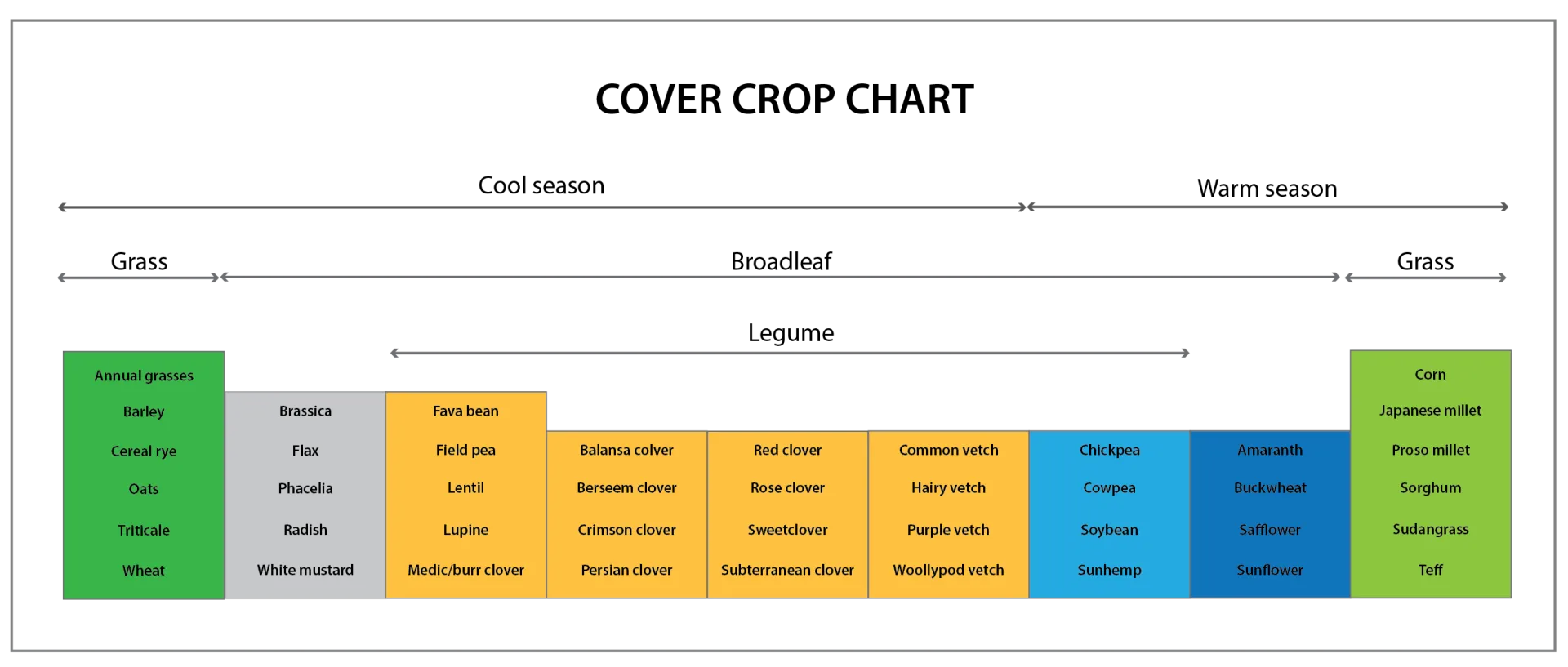
Common Cover Crops for California are included in the chart below. Once you’ve identified the desirable crop, check with local nurseries or online seed suppliers for availability.
Option two: LAYER OF MANURE COVERED WITH STRAW
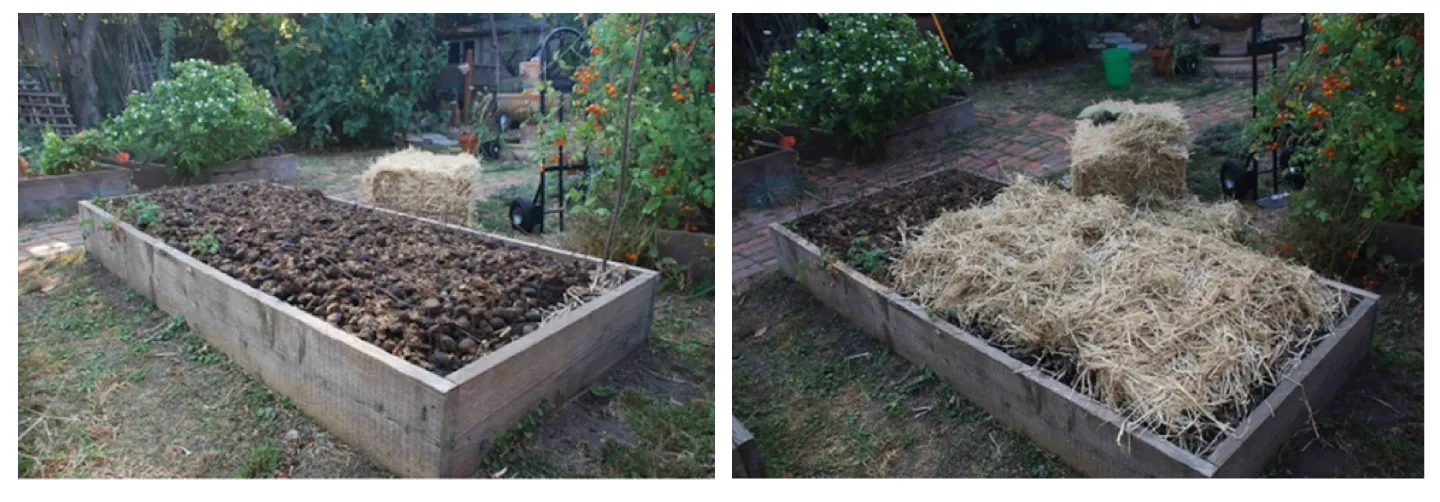
A rice straw-covered layer of manure is another way of boosting soil.
Advantages
• Works slowly over the winter to enrich soil
• Attracts earthworms
• Feeds legion of beneficial microbes needed for healthy spring crops
• One-and-done deal; there is nothing to cut down in spring like there is with a cover crop.
Disadvantages
• Sourcing, transporting, and shoveling manure
• A smelly wait for a couple of days for the barnyard aroma to dissipate
HOW TO LAYER IT UP
• Pile on 2 or more inches of herbivore-generated manure (horse, chicken, cow, goat, llama and rabbit are all equally good (preferably from animals that have not been treated with antibiotics or other pharmaceuticals).
• Top it with a fluffy layer of rice straw (often available inexpensively at horse or farm supply stores) or dry leaves three times as deep as the manure layer. The straw stays neat-looking for months, and thick layers of organic material smother most weeds.
• Winter rains keep the pile moist, attracting earthworms and helpful decomposers.
• Straw and leaves hold in moisture and prevent rain from compacting the soil.
• In spring, turn the composted manure and straw into the top layer of soil before planting.
BACK TO EDIBLES
> What Edible Gardens Need
> Best Choices for Marin
> How to Prepare
> How to Plant
> Edibles in Containers
> Planting Calendar
> Grow & Care Sheets for Vegetables, Herbs & Fruits
> Tips & Techniques
> How to Maintain
> Fruit Trees
> Top 20 Edible Garden Problems
> Cover Crops & Soil Enhancements in the Off-season
> Conserving Water
•••••••••
Visit our EDIBLE DEMO GARDEN at IVC Organic Farm & Garden
News from the Edible Demo Garden
Seasonal Advice and Happenings at our Edible Demonstration Garden
Every month, the team at the Edible Demonstration Garden chronicles what's happening in the garden - planting, harvesting, problems and more. Check out our stories!
> BACK TO THE EDIBLE DEMO GARDEN


January 2025: Natives in the Edible Garden
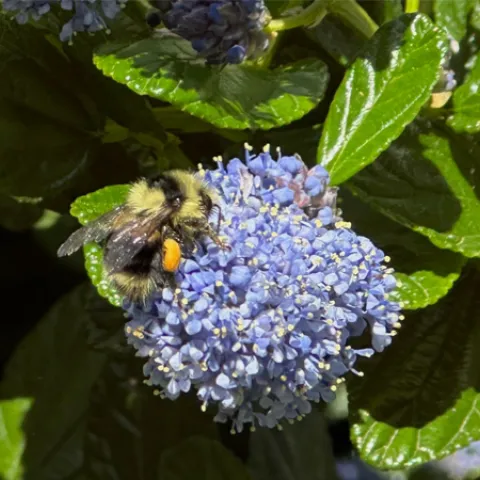
Native Plants Attract Pollinators and Invite Beneficial Insects
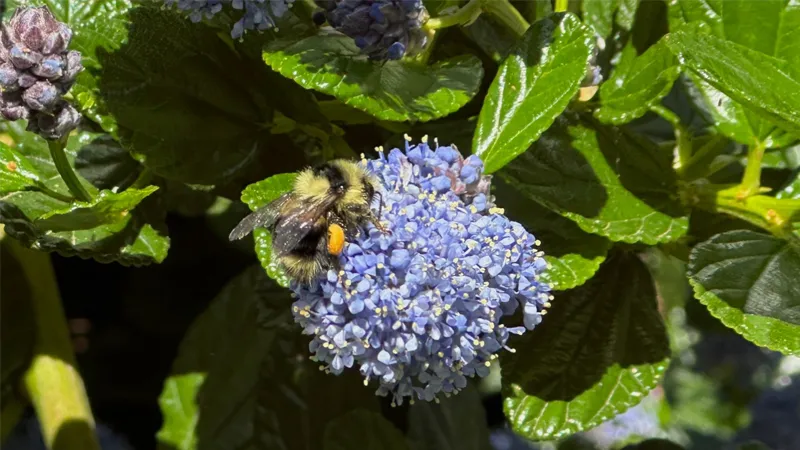
Native plants also invite beneficial insects that are natural enemies of vegetable garden pests. Beneficials such as hoverflies, lady beetles, and lacewings go where they find the herbivorous insects they like to eat. It doesn’t matter to them whether their prey is on an edible plant or a native. The natives keep the beneficial insects nearby, so they are there to control pests when the vegetable crops are planted.
Native Plants Improve Soil Health
Native plants support soil biodiversity by providing habitat for beneficial microorganisms like fungi and bacteria. Some can act as nitrogen-fixers to improve soil fertility. Natives with deep root systems can improve soil structure by creating channels through which water and nutrients can penetrate. When the roots and leaves of the native plants die back, they add organic matter to the soil reducing the need for soil amendments.
Native Plants are Low Maintenance
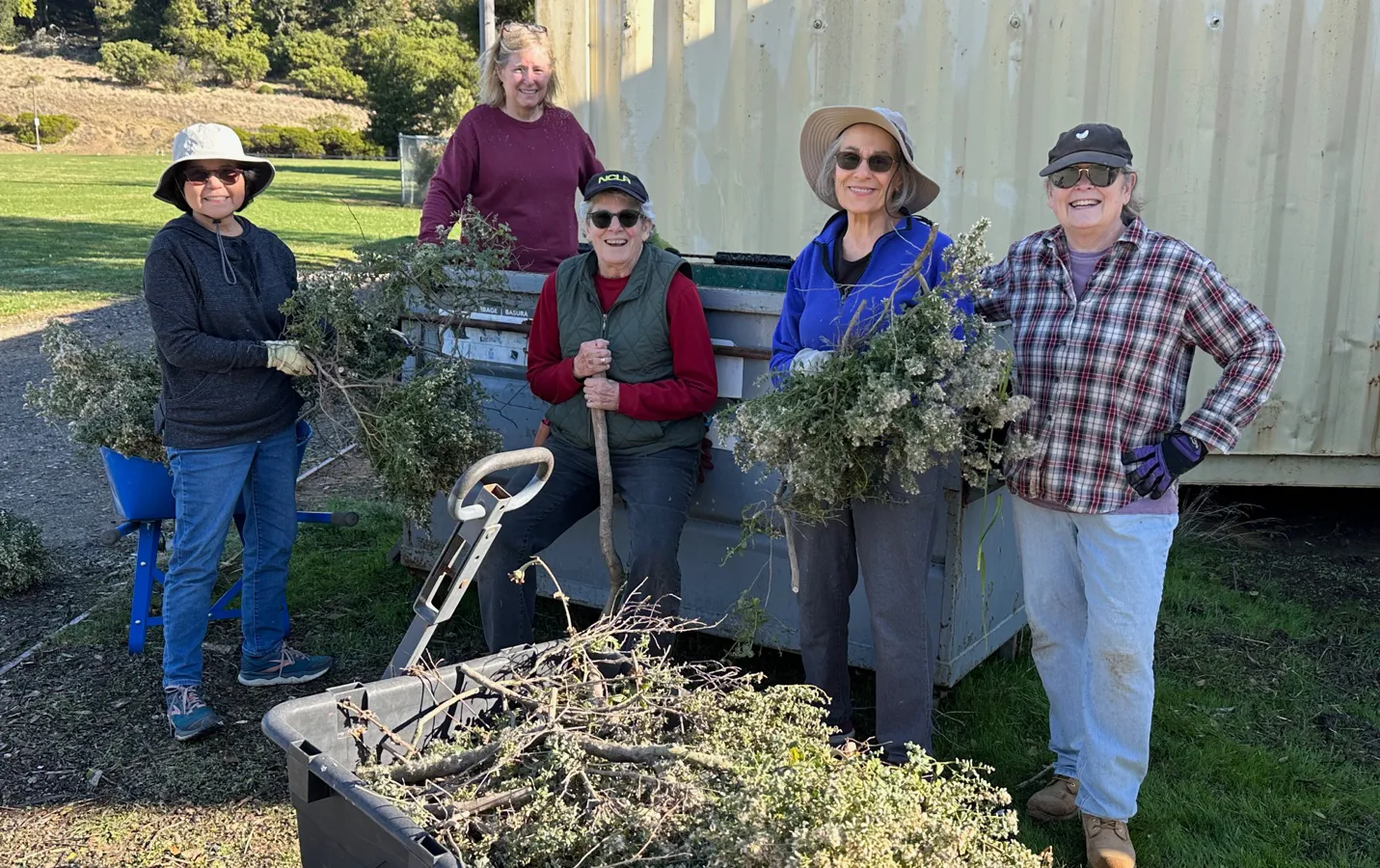
Natives don’t need fertilizing and require little watering once they are established. While some need deadheading and cutting back, it’s best to minimize the kind of tidying up that’s done in the edible garden. The native plants can offer a refuge for beneficial populations, providing them with undisturbed nesting and overwintering sites. Ideally the native plants attract enough beneficial insects and other natural enemies to maintain a healthy balance so that pests are kept in check.
Native Plants Add Beauty and Interest
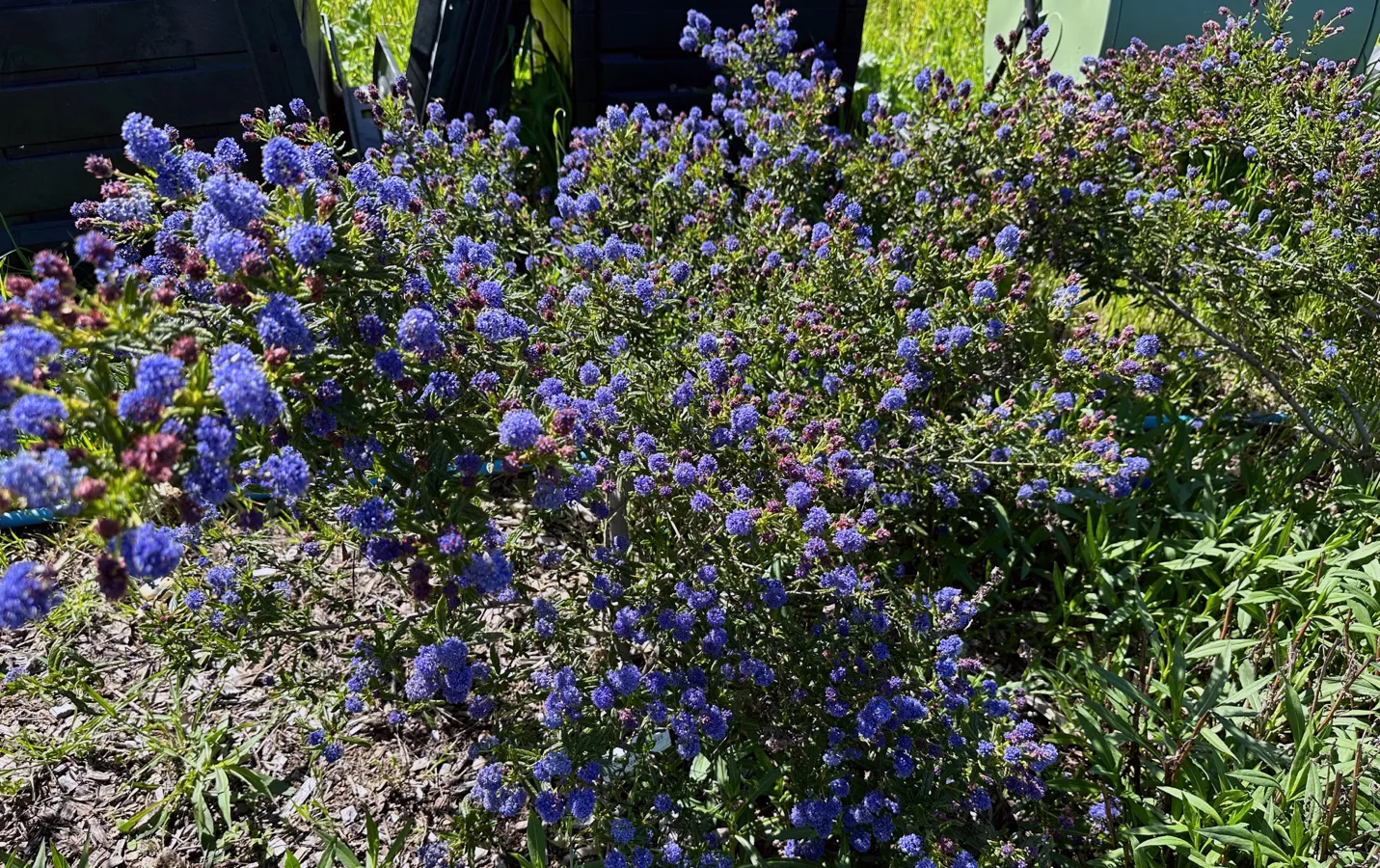
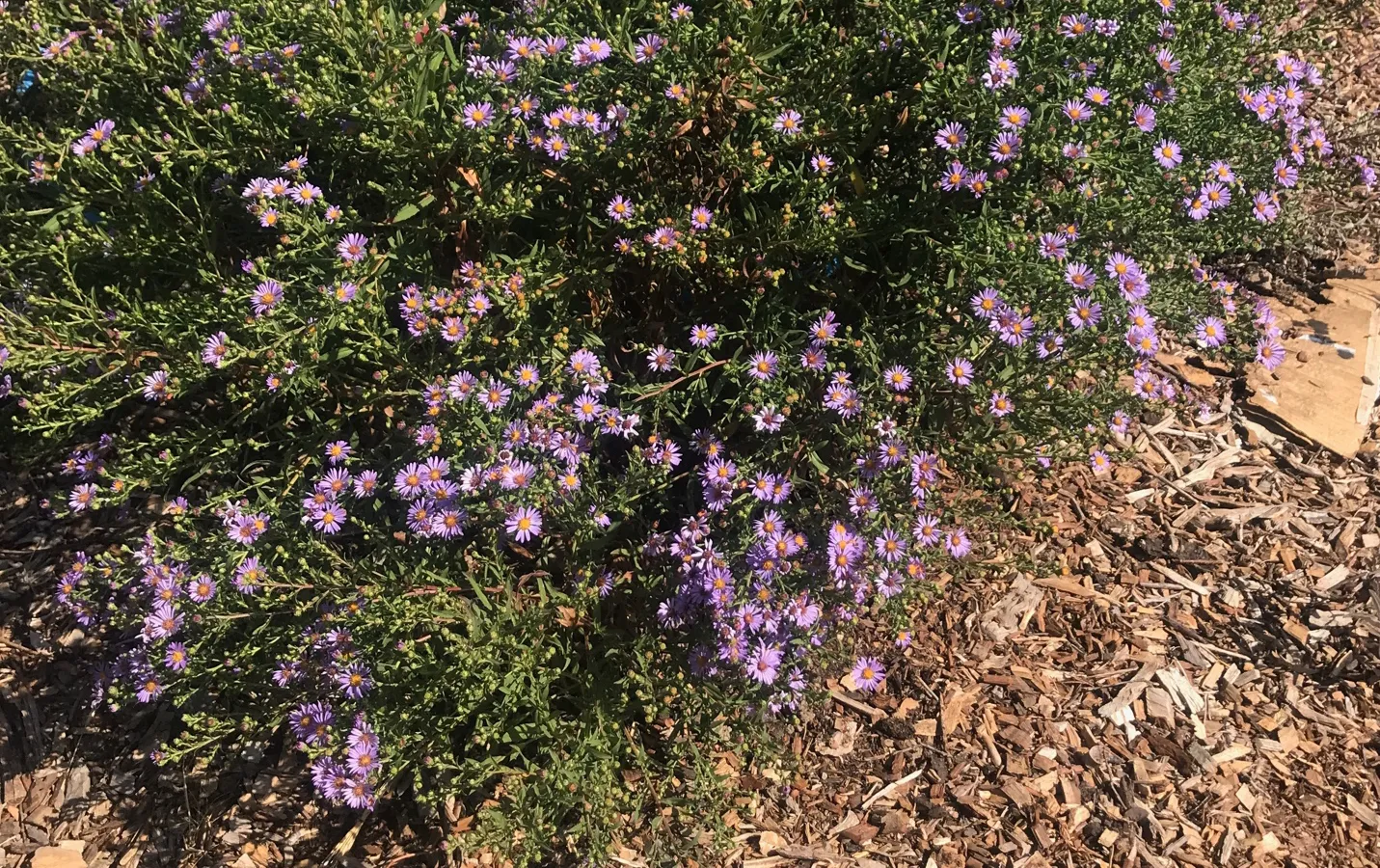
Native plants bring unique beauty to the garden. The natives planted in the Edible Demo Garden were initially chosen to provide blooms throughout the year. Some flower early and bring color into the winter garden and others extend their blooming period into late fall. They add contrast to the flowering of the vegetables and fruit trees. Ceanothus ‘Concha’ now masks the compost bins with its copious cobalt blue flowers in early spring. Coast Aster, Aster chilensis, provides bright, daisy-like blossoms throughout summer and fall. Bees and hummingbirds enjoy the showy red tubular blooms of California fuchsia, Epilobium, into late fall. The goal to bring native plants into the Edible Demo Garden to provide year-round beauty has been achieved.
For more information on growing native plants, click here.
December 2024: Giving the Garden a Rest
Planting cover crops
There are many advantages to planting cover crops. Cover crops, sometimes referred to as “green manure”, are an excellent way to protect and improve soil. They increase organic matter, suppress weeds, prevent damage from wind and water erosion, and support beneficial insects and earthworms. Plus, they can look attractive while nurturing the garden.
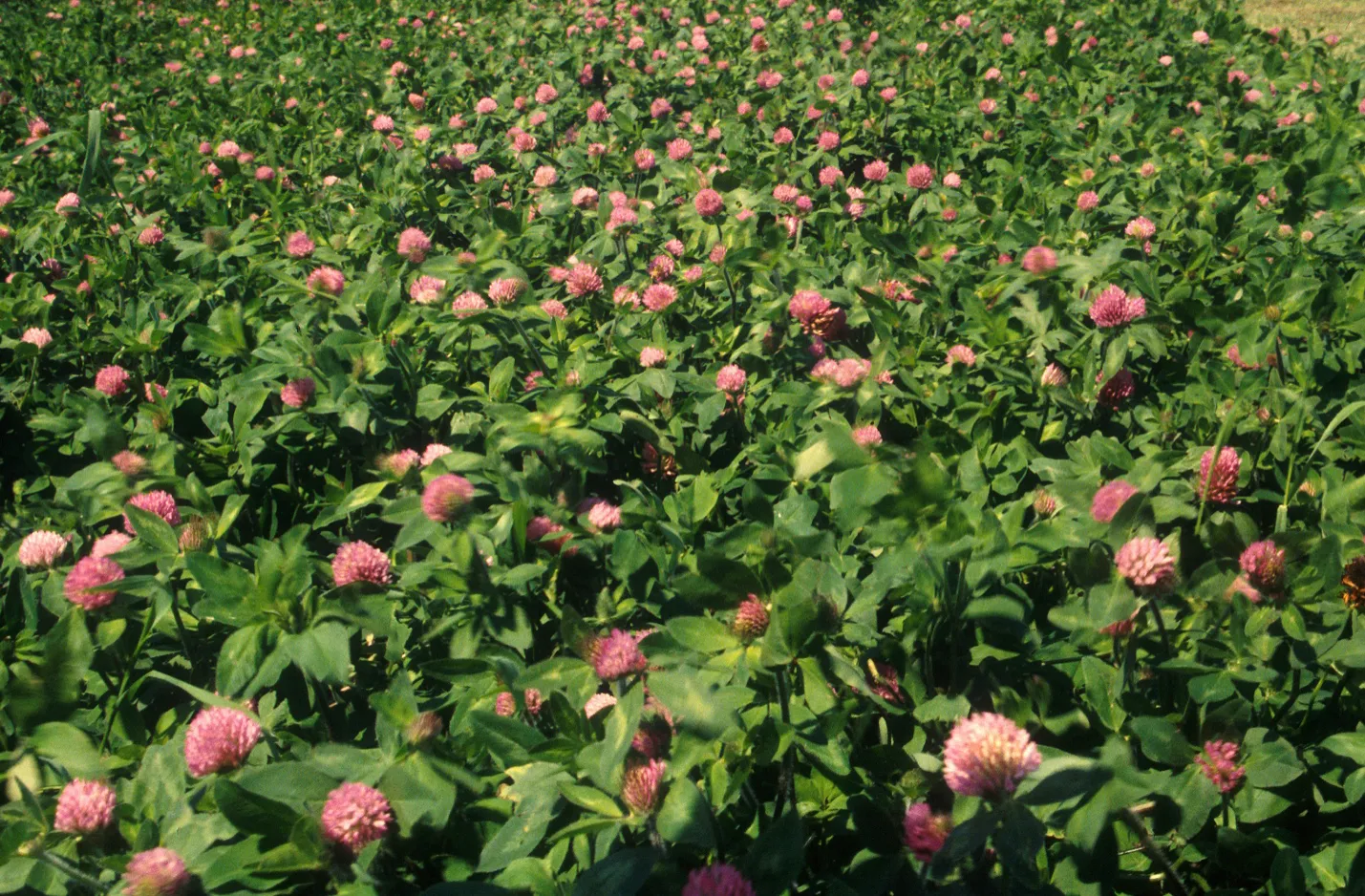
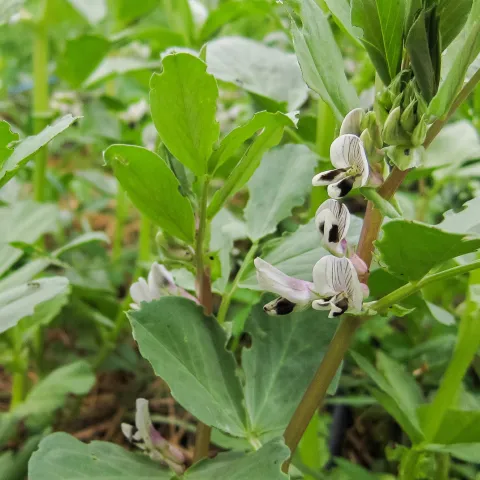
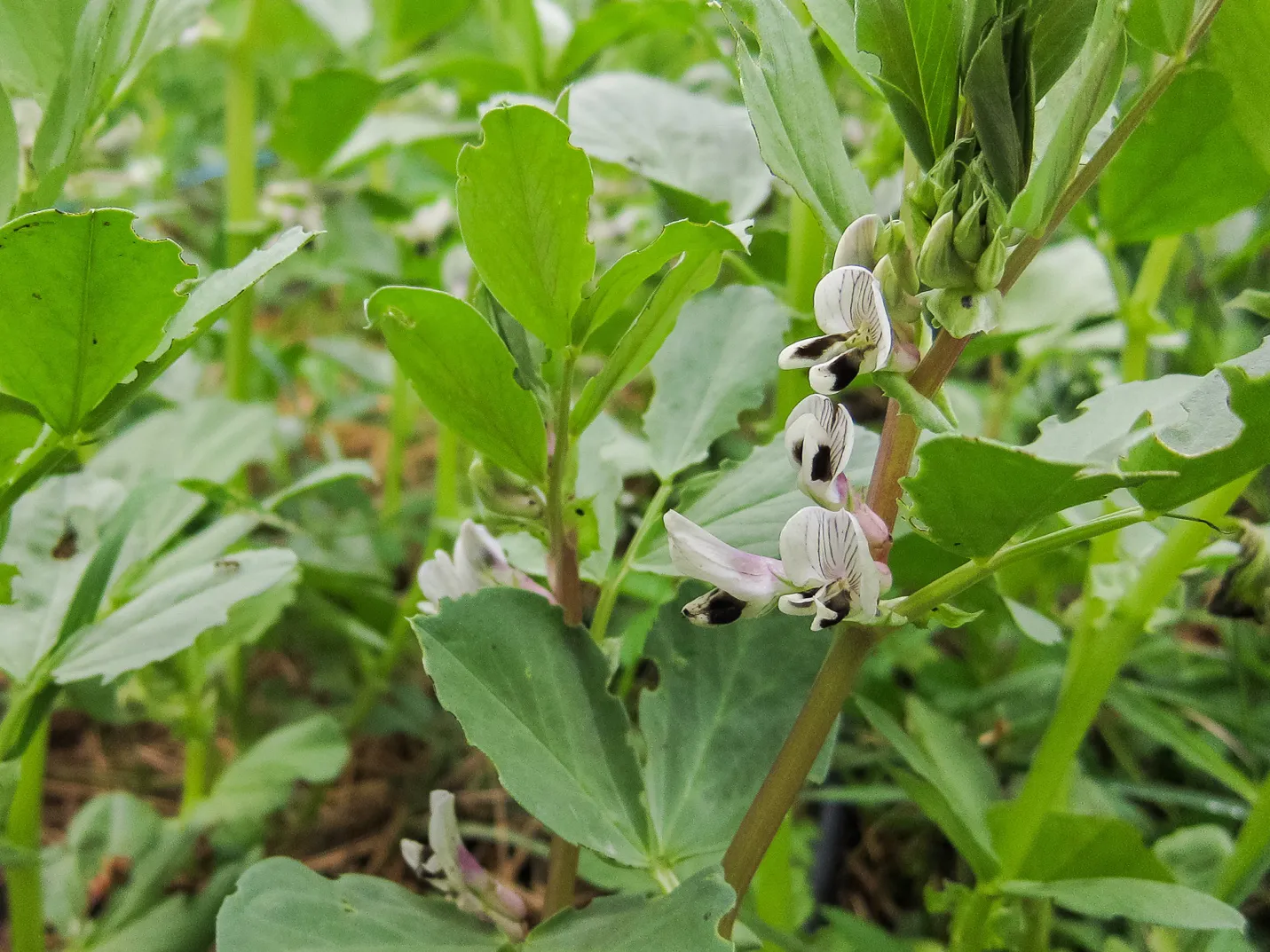
Two different cover crops were chosen for the Edible Demo Garden. Fava beans were planted in several of the garden beds and in the straw bales used for the summer crops. The latter is an experiment to determine if there is sufficient residual fertility in the straw bales to support another crop. In order to aid in germination and enhance their nitrogen fixing effects, the fava bean seeds were soaked in an inoculant containing rhizobacteria prior to planting. As an alternative cover crop, a green manure mix of bell beans, field peas, and purple/hairy vetch was planted in some of the raised beds. Past experience with crows eating the sprouting seeds necessitated the use of compost, straw, and protective netting to give the cover crop seedlings a fighting chance. The effectiveness of the different cover crops will be tested in spring when it is time to plant again.
Allowing beds to remain fallow
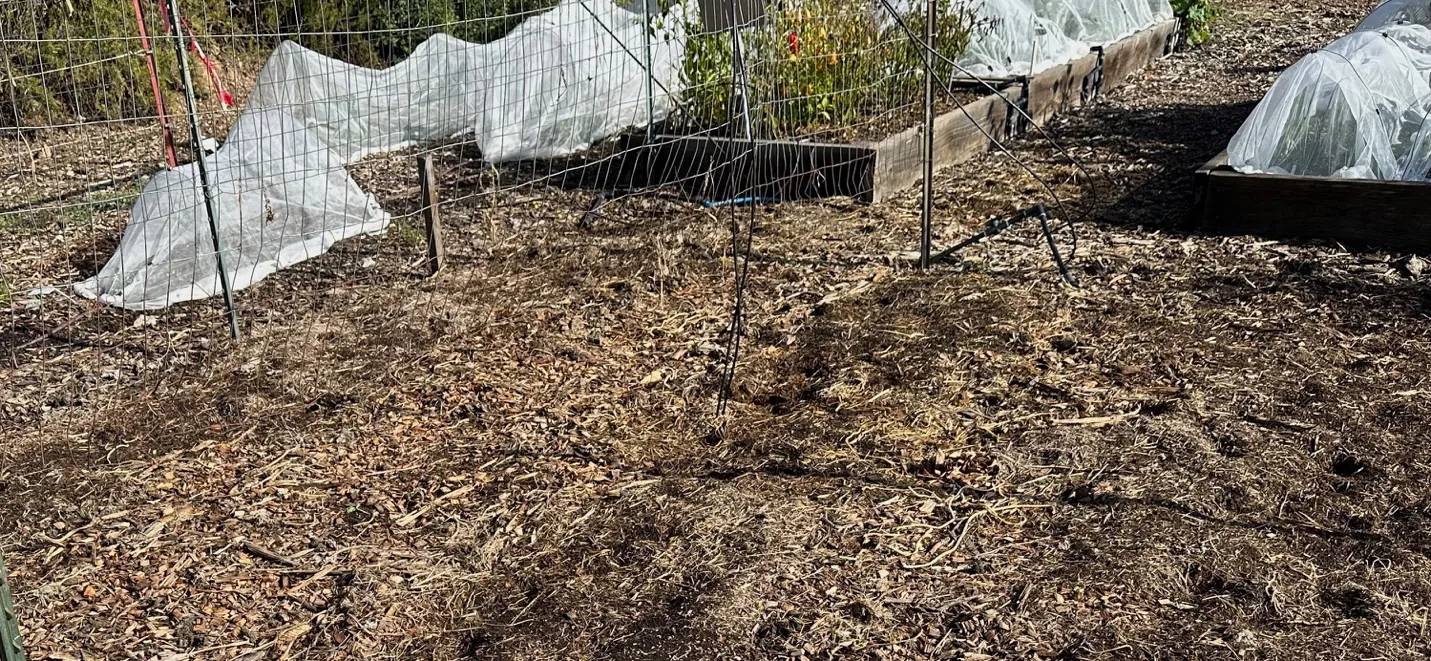
Click here for more information on cover crops and soil enhancement in the off-season.
November 2024: Experimenting with Different Tomato Varieties
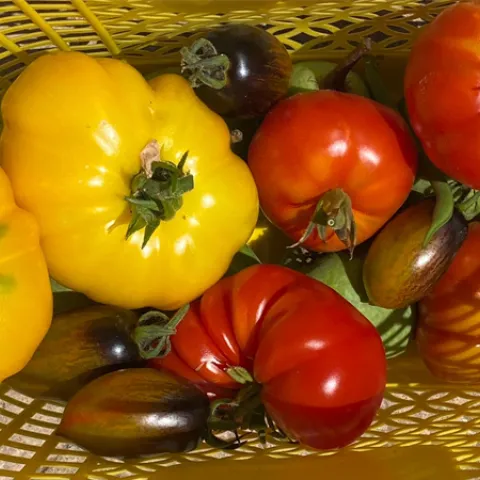
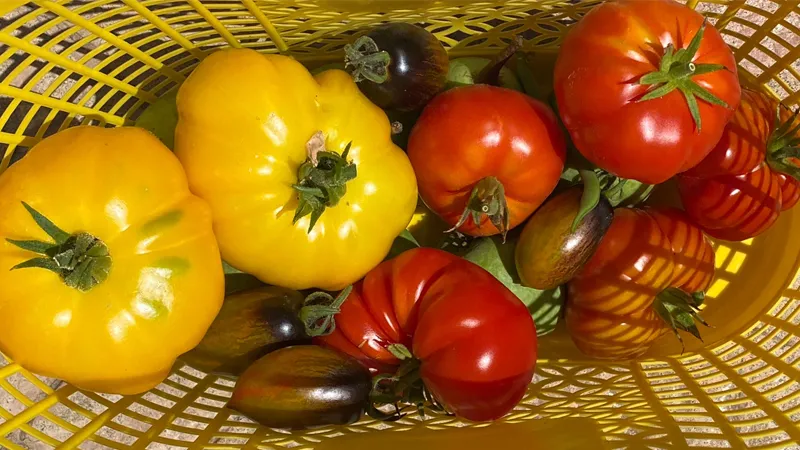
Tomatoes are among the top summer crops in the Edible Demo Garden and each year there are decisions to be made about which varieties to grow. Since there are reported to be over 10,000 varieties of tomatoes, it’s important to narrow down the selection considerably and plant only those varieties that grow well in Marin and are appealing to consumers. However, even within those broad parameters, many choices can be made. The Marin Master Gardeners typically offer sixteen varieties in their annual tomato plant sales. These are the varieties that have proven over the years to be the most popular with customers. Each year one or two new varieties may be offered to replace some that have not fared so well in terms of sales or customer reviews. Choices about new varieties are usually based on members’ recommendations.
The Tomato Experiment
This spring the Edible Demo Garden and the Edibles Guild launched a collaborative experiment to determine which of seven tomato varieties not previously sold in the tomato market, would be most successful in Marin’s different growing conditions. The experiment involved adopting out 132 plants grown in the Indian Valley Organic Farm & Garden greenhouse to 37 Marin Master Gardeners willing to try growing them in their own gardens. The seven varieties were:
- Costoluto Genovese – a classic red Italian heirloom
- Bicolor Marvel Stripe – a marbled red and gold heirloom
- Moonglow – a bright orange heirloom
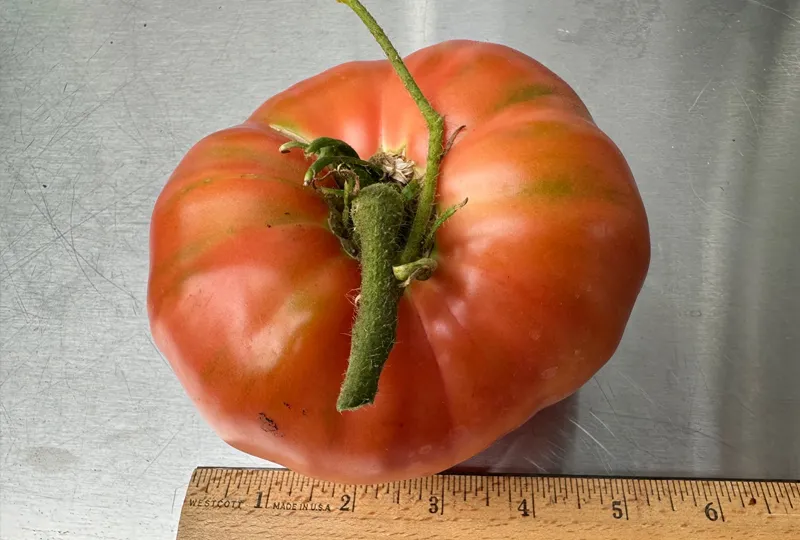
- Mortgage Lifter – a large meaty red heirloom
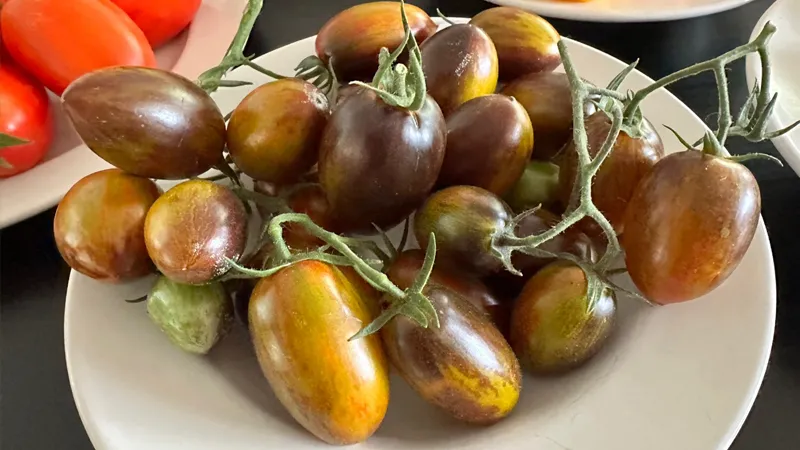
- Magic Bullet – an elongated cherry-sized open pollinated variety
- Pink Berkeley Tie Dye – a wine-colored open pollinated variety with green stripes and pink flesh
- Amish paste – a small bright red heirloom best used for sauces
The tomato adopters agreed to submit data describing their experiences growing the trial tomatoes. They recorded the garden type, location, and microclimate, when the tomatoes were planted, how they were cared for, and when the first tomato was harvested. Then they subjectively rated the tomatoes on yield and taste. Finally, and most importantly, they answered the question – “would you grow this variety again?”.
Which varieties had the best results?
What matters most when choosing tomatoes to plant
One of the most important factors to consider when choosing a tomato variety is the microclimate in the growing location. Tomatoes need sunshine and warm soil. All the experimental tomatoes required temperatures above 65 degrees and some preferred 75 degrees. During a typical spring, in most areas of Marin, around May 1st is when the temperatures are best for planting tomatoes. Tomatoes planted before the air and soil are sufficiently warmed, will sit idly by until the conditions are right. Conversely, tomatoes don’t like extreme heat and will stop production during heat waves like those experienced in parts of Marin this summer.
Linked to microclimate are days to maturity. This is the average time it takes for the first ripe fruit to develop in ideal heat conditions. Magic Bullet, Pink Berkely Tie Dye, and Costoluto Genovese are considered mid-range, requiring 70 to 80 days to mature. The others are late maturers, needing more than 80 days to produce ripe fruit. Bicolor Marvel Stripe takes 95 days to mature. In cool areas of Marin, there may not be enough warm days for some late maturing tomato varieties to reach full production.
Click here for more advice on selecting and growing tomatoes.